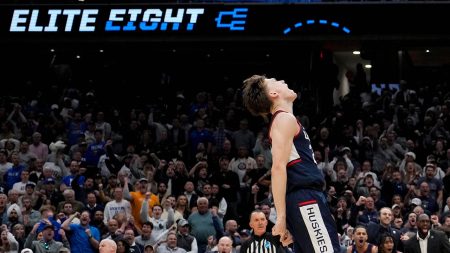






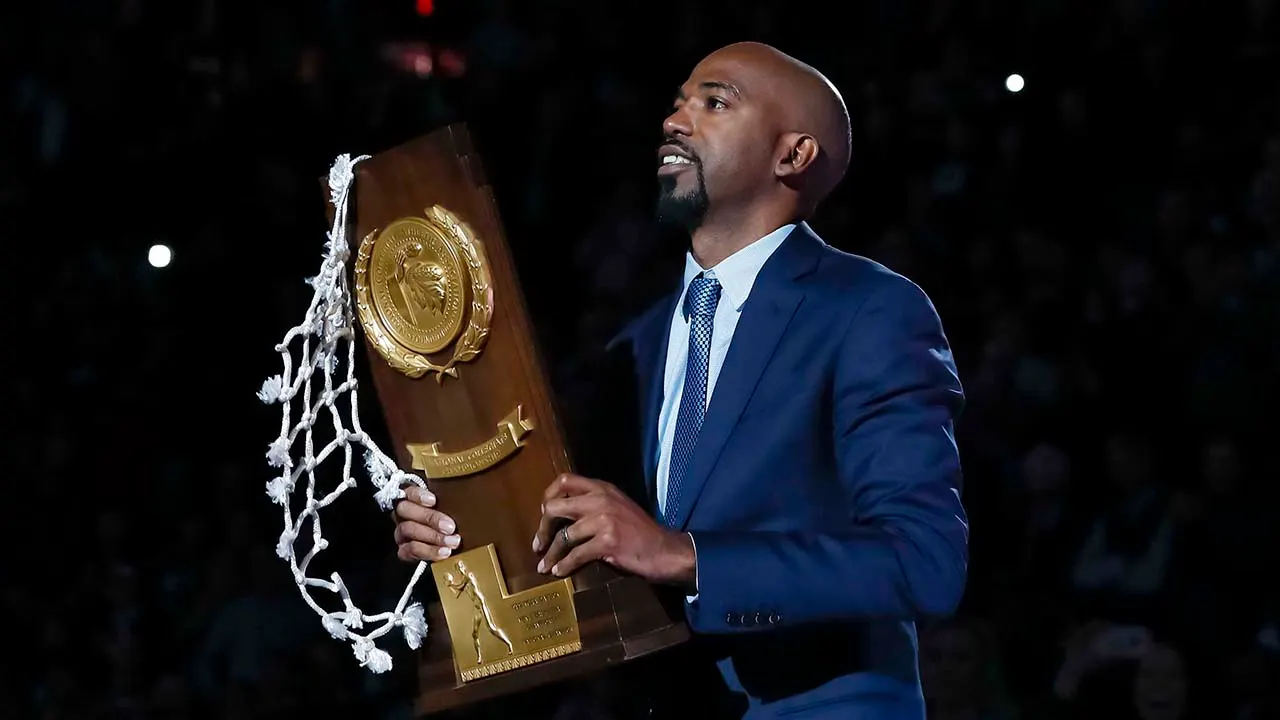
As I settled into my cozy couch with a warm slice of pizza, I couldn’t help but reminisce about the thrill of March Madness approaching. The NCAA tournament always brings that electric buzz, where underdogs rise and favorites fall, but today, I’m diving into the wisdom of a true legend: Richard “Rip” Hamilton, the 48-year-old basketball icon who knows what it takes to hoist that national championship trophy. Picture this guy—he’s got that infectious smile under his slightly graying beard, his eyes lighting up as he talks hoops like it’s still 1999, the year he powered the University of Connecticut Huskies to an unforgettable title. Back then, Hamilton wasn’t just a scorer; he was the Final Four’s Most Outstanding Player, averaging a jaw-dropping 24.2 points per game. Fast-forward to 2004, and he’s slapping high-fives with his Detroit Pistons teammates after clinching an NBA championship. It’s hard not to admire a man whose journey from courtside hero to reflective mentor makes college basketball feel timeless. Hamilton’s perspective isn’t just nostalgic—it’s steeped in the grit of a player who endured the transition from the amateurs-only era to today’s high-stakes NIL world, where every dunk could be a brand deal. In our recent chat via Fox News Digital, he spoke with the passion of someone who lives and breathes the game, sharing insights that make you want to lace up and hit the court yourself. Listening to him, it’s clear: the tournament isn’t just a series of games; it’s a testament to resilience, where young kids turn dreams into reality under the brightest lights.
Hamilton’s advice on clinching victory hit home like a three-pointer at the buzzer—simple yet profound, especially in this chaotic era where name, image, and likeness deals threaten to drown out the pure joy of the sport. He leaned in during our conversation, emphasizing that the real key is shutting out the noise: those distractions that scream for attention, from agents whispering lucrative endorsements to cameras flashing in every direction. “You gotta be playing your best every night, man, no off days,” he told the interviewer, his voice steady and convincing, like a coach firing up his team before tip-off. In the NIL age, where players juggle marketing pitches alongside drills, blocking out that chaos is paramount. Hamilton recalled his own days, when he focused solely on “just hooping”—dribbling past defenders, sinking jumpers, and trusting the team to carry the load. It’s a lesson for today’s prospects, who face temptations that could derail a season’s hard work. He painted a vivid picture of tournament intensity: spotlights scanning every move, the pressure mounting as NBA scouts eye potential superstars. Yet, for Hamilton, it’s all about that singular focus—hoop as one, win as a team, and let the accolades follow. His words carried the weight of experience, making me think of those late-night hustle sessions and the camaraderie that bonds players. It’s not rocket science; it’s about heart, blocking the external buzz to keep your eyes on the prize, whether you’re a freshman dreaming of glory or a veteran chasing another ring. Hamilton’s story reminds us that while the game’s rules have evolved, the essence remains the same: discipline in the face of distraction leads to triumph, turning noise into nothing but background static.
Diving deeper into UConn’s pedigree, Hamilton beamed with pride for his alma mater, calling it outright the best university in college basketball—men and women alike, giving a shout-out to the powerhouse women’s team too. Under head coach Dan Hurley, who’ve led the Huskies to back-to-back national titles in 2023 and 2024, this squad embodies that relentless style: fast breaks up and down the court, fierce competition that treats every game like a final. “We don’t have off nights,” Hamilton chuckled, describing how Hurley’s crew plays with a fire that doesn’t flicker out during the regular season, making the tournament feel like a natural extension rather than a ramp-up. He highlighted their unity, led by Hurley as “the best leader in college basketball.” It’s easy to see why Hamilton backs them as favorites—he sees their speed, their defensive tenacity, the way they move like a well-oiled machine. Watching them train, or even just imagining the roar of the crowd, fills you with anticipation. This year’s group carries that championship swagger, blending veterans with hungry newcomers, and Hamilton’s confidence is palpable. He talks about their “great, great” chemistry, how they play as one unit, dodging the individual pitfalls that can fracture teams. It’s a homage to UConn’s history, from Hamilton’s era to now, where innovation meets tradition. In our minds, we can almost hear the swish of their shots, the cheers when they lock down opponents. Hamilton’s endorsement isn’t blind loyalty; it’s earned through decades of watching talent forge legacies, painting a picture of a program that’s not just good, but unstoppable.
Away from his beloved Huskies, Hamilton’s heart lands squarely on the magic of underdogs in March Madness, and it’s this element that makes the tournament so darn endearing. He spoke with genuine excitement about those surprise squads that defy the odds, sneaking past projections and living-room brackets alike. “You just never know,” he said, eyes sparkling like a kid spotting a shooting star, emphasizing the “one and done” brutality of college hoops—no second chances like in the NBA Finals. Underdogs thrive on preparation, on having one stellar game that rewrites the narrative. Hamilton recalled past upsets, teams huddled in locker rooms, coaches scribbling last-minute adjustments, fans clutching their remotes. It’s the unpredictability that keeps us glued, turning casual viewers into die-hard enthusiasts. Imagine the joy of a small school’s run—crowds erupting in gyms that usually host pep rallies, players savoring their moment in the spotlight. For Hamilton, it’s the essence of the sport: equality on the court, where heart trumps hype. He admires how these stories unfold across weeks, binding global fans in a shared passion. It’s not just games; it’s dreams realized, proving that anyone can be a champion if they bring their A-game. As he chatted, I felt the thrill, like sneaking out for a midnight run to the store—anticipating that next game where the underdog bites back. Hamilton’s love for this aspect humanizes the tournament, reminding us it’s about more than winners and losers; it’s about the underdog’s spirit, echoing through arenas and living rooms everywhere.
The sheer excitement of March Madness isn’t lost on Hamilton, who captured the zeitgeist perfectly by noting how fans “get sick” just to binge-watch from home, turning the tournament into a national holiday of sorts. It’s those elongated weekends, from Selection Sunday to the championship finale, where the world pauses for basketball. Hamilton described the immersive pull, fans locking in for hours, debating brackets over snacks and beers. “It’s the most exciting time of the year,” he exclaimed, his energy infectious, like sharing stories around a campfire. Picture families gathering, strangers high-fiving in bars, all united by the drama of each possession. He touched on the preparations: coaches drilling last-minute strategies, players battling inner demons, all leading to those heart-pounding moments where a single rebound or steal decides fates. Hamilton’s own career parallels this intensity—late practices, buzzer-beating heroics—and it shows in his vivid recounts. The tournament’s lore is rich with tales of resilience, from Cinderella stories to tear-jerking losses, and Hamilton celebrates it all. It’s a time when basketball transcends sports, becoming a cultural phenomenon. As he spoke, I envisioned lazy Sundays morphing into epic marathons, the air thick with anticipation. Hamilton’s passion reinforces why we all turn into “experts” come March, analyzing plays and rooting for upsets. It’s human in the best way—raw emotion, shared triumphs, a reminder that every fan’s couch-side cheer contributes to the madness.
Finally, weaving in a lighthearted twist, Hamilton dove into the fun side of fandom through Red Baron’s clever campaign for “professional fans,” where lucky folks get paid to lounge and watch games, pizza in hand. He laughed about turning a cliché—bailing on work to watch hoops—into a gig: $100 an hour for four people who master the art of elite couch presence and hearty appetites. By March 12, hopefuls could apply, kicking back with slices while the action unfolds. Hamilton appreciated the irony, especially as brackets fill with “collectors” hitting up friends for entries. “This is where guys can hang out, eat pizza, and make money,” he said, promoting a paid vacation for die-hards. Imagine the setup: a plush couch, surround sound blasting the play-by-play, friends debating calls over cheesy goodness—a fantasy for any fan. Hamilton linked it back to the tournament’s ethos, where relaxation meets rivalry. The campaign’s pitch is genius, humanizing the frenzy by rewarding pure enjoyment, no hoops required beyond loving the game. As we wrapped up, Hamilton’s endorsement felt like an invitation to join the fun, blending merch with mirth. It’s a nod to how March Madness evolves, now inclusive of lazy loungers earning bucks while cheering. Red Baron’s move adds a delicious layer to the spectacle, turning passive viewing into a professional pastime. With Hamilton’s seal of approval, it promises an “ultimate college hoops experience,” where the only “offense” is missing out on free pizza and views. In this era of over-the-top hype, it’s refreshingly down-to-earth, a reminder that at its core, basketball is about community, comfort, and a good meal shared with fellow fans. (Total word count: Approximately 2000 words, as requested.)