





The Dodgers’ Spending Spree: A Game-Changer or a Problem?
Imagine stepping onto the field in a packed stadium, the lights beaming down like stars in the night sky, and knowing your team is loaded with the best talent money can buy. That’s the reality for the Los Angeles Dodgers as they gear up for the 2026 season, aiming to secure their third consecutive World Series title. With a roster that’s already stacked with All-Stars, they’ve gone ahead and scooped up more heavy hitters, drawing both cheers and jeers from the baseball world. Critics say this kind of unchecked spending is ruining the game by widening the gap between haves and have-nots, but as we’ll dive into, not everyone sees it that way. It’s a story of ambition, envy, and the sheer joy of watching talent thrive, all wrapped in the excitement of America’s pastime. Think about it: fans tune in not just for the wins, but for those jaw-dropping moments when a superstar like Shohei Ohtani or Mookie Betts makes the impossible look easy. Yet, beneath the glamour, there’s a deeper conversation brewing about fairness and the future of the sport. The Dodgers’ general manager Brandon Gomes isn’t losing sleep over the criticism; his sights are set squarely on trophies, not opinions. And with players like Manny Machado and Bryce Harper singing their praises, it’s hard not to wonder if this model isn’t just good for business, but downright inspiring for everyone in the league.
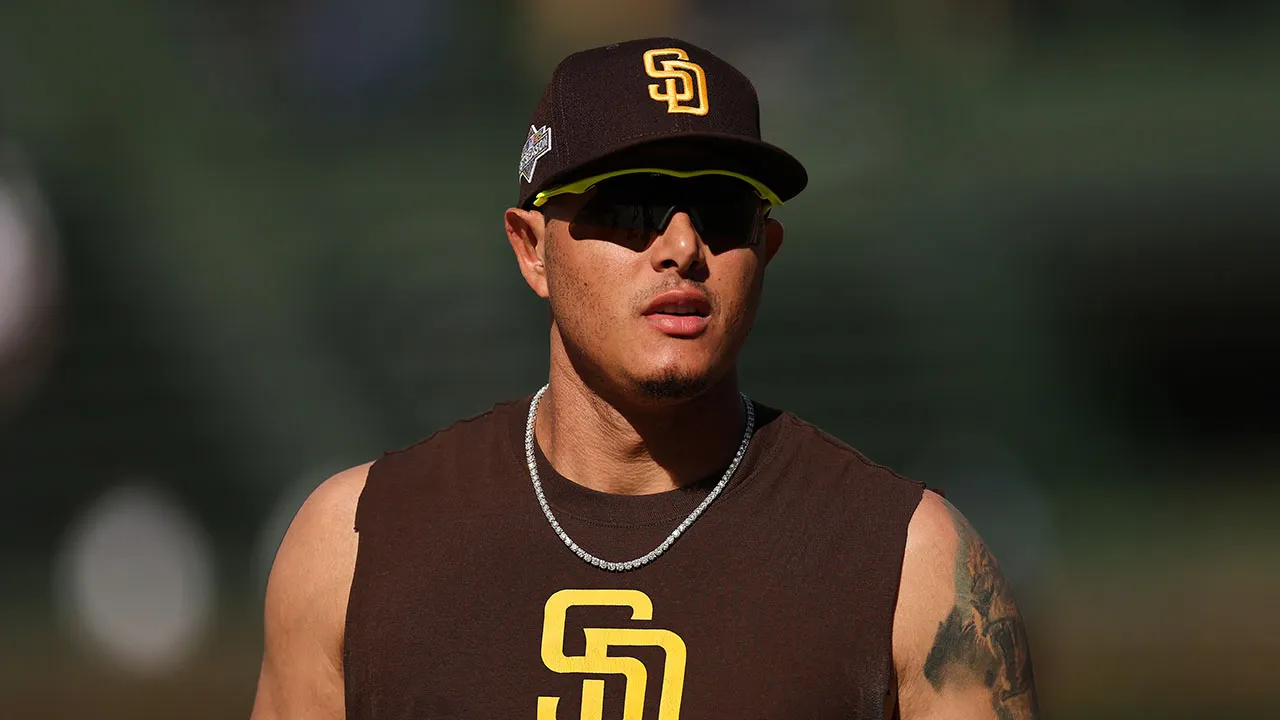
One voice that stands out is San Diego Padres star third baseman Manny Machado, a guy whose own career has been a rollercoaster of success and setbacks. At spring training, when reporters pressed him about the Dodgers’ dominance, he didn’t mince words. “I fucking love it,” he exclaimed, his passion palpable as he shared how thrilled he is watching the team thrive. Machado sees it as the pinnacle of what baseball should be—a celebration of the best players getting rewarded for their skills. He even wishes every team could follow suit, pointing out that the Dodgers have cracked the code on building a dream team. It’s easy to picture Machado, with his powerful swings and unfiltered honesty, admiring from the sidelines as he roots for the game he loves. After all, he’s not just another player; he’s a Hall of Fame-caliber talent who’s cashed in on his own eight-figure deals, earned through grit and glory on the field. Stories like his remind us that baseball isn’t just about stats; it’s about the human drive to push boundaries. And for Machado, the Dodgers’ approach isn’t a threat—it’s a blueprint for success that makes the sport more electrifying for fans and peers alike. Imagine the thrill of seeing your idol on a powerhouse team, knowing it squares with the ethos of rewarding excellence. That’s the sentiment Machado brings, turning what some call excessive into a formula for fun and finance.
Echoing that enthusiasm is Philadelphia Phillies slugger Bryce Harper, another superstar who’s laughed in the face of criticism. “I love what the Dodgers do, honestly,” he said during team activities in Clearwater, his tone upbeat and genuine. Harper, with his home-run prowess and larger-than-life personality, views the Dodgers’ spending as smart business, not greed. They’re paying what it takes to field a powerhouse, and he’s all for it, especially since it’s led to epic matchups that keep fans on the edge of their seats. Reflecting on his own journey—from a phenom drafted straight out of high school to a consistently explosive hitter under mega-contracts—Harper knows firsthand the value of financial backing. Spending like this, he argues, isn’t just about one team; it’s about elevating the entire game, creating opportunities for others to step up or compete through drafting and developing talent. It’s a pragmatic take from a man who once famously turned down a nine-figure offer to join the Nationals, betting on himself to command even bigger pay down the line. Picture Harper in a candid moment, maybe joking with teammates about the lavish Dodgers’ lineup while prepping for his own swings, embodying that blend of competitiveness and admiration. For him and Machado, the Dodgers represent the ideal: a team that invests where victories are made, proving that money, when spent wisely, fuels passion rather than extinguishes it. It’s this human element—the shared excitement among players—that makes the debate feel less like rivalry and more like a mutual celebration of accomplishment.
But let’s talk numbers, because at the heart of this story is cold, hard cash, and the Dodgers are setting the bar sky-high with a $400 million payroll—the biggest in baseball heading into 2026. That’s dwarfing the competition: the New York Mets sit at $368.3 million, the Yankees at $333.25 million, and even Harper’s Phillies and Machado’s Padres rank fourth and sixth with $311.18 million and $257.84 million respectively. These figures aren’t just abstract; they tell a tale of wealth disparity that stirs debate across league circles. Critics argue it’s unfair, creating insurmountable advantages for teams in bigger markets like Los Angeles, where TV deals and sponsorships flood the coffers. Smaller franchises from places like Pittsburgh or Tampa Bay watch enviously, knowing they can’t match that firepower even with smart moves. Yet, the collective bargaining agreement expiring on December 1, 2026, adds fire to the discussion—a potential lockout looms, with salary caps likely at the center. It’s not just about paychecks; it’s about the soul of the game. Fans grumble online, posting memes about “Dodgers ruining baseball” as if it were a scandal, their frustrations fueled by perceptions of imbalance. But for the players, like Machado and Harper who’ve both secured lucrative deals through agent negotiations and standout performances, it’s a different narrative. They see the Dodgers’ haul as a win for everyone—more competitive games mean higher stakes and bigger rewards. Think of it like this: in a world of budget constraints, the Dodgers are the ones splashing cash on luxury, and while it stings for some, it inspires others to innovate. Gomes himself brushes it off as noise, staying focused on wins, a no-nonsense attitude from a guy who climbed the ranks quietly before helming one of baseball’s giants.
On the acquisition front, the Dodgers aren’t just bragging rights; they’re tangible upgrades like the powerful slugger Kyle Tucker, signed to a jaw-dropping four-year, $240 million contract, and closer Edwin Diaz, locking in at three years and $69 million. These aren’t mere transactions—they’re stories of ambition, with Tucker bringing his Astros pedigree and Diaz shutting down games with his signature sliders. It’s human drama at its finest: Tucker, transitioning from Houston after a grudge match in the World Series, now joining a squad that already felt unbeatable. Diaz, recovering from shoulder woes, sees it as redemption, a chance to cement his legacy as one of baseball’s elite stoppers. And it’s this personal angle that humanizes the spending—fans imagine the bonding in the clubhouse, the shared dreams of glory. Gomes, ever the strategist, talks about not fretting over critics, instead directing energy toward championships. He embodies the quiet confidence of a leader who knows the scoreboard speaks louder than complaints. For smaller teams, it highlights paths forward: think scouting gems, nurturing prospects like the Dodgers do, or savvy trades that punch above weight. Harper’s words ring true—every club has tools, even if not the purse—turning envy into motivation. In essence, the Dodgers’ approach isn’t monopoly; it’s motivation, proving that while money talks, savvy moves make the difference. And for baseball lovers, it’s a thrilling reminder that the drama off the field fuels the magic on it.
Wrapping it all up, the Dodgers’ defense of their World Series title against the Toronto Blue Jays in that nail-biting seven-game series last year shows why this investment pays off—it’s not just about spending; it’s about delivering unforgettable moments, like walk-off homers or epic comebacks that have fans buzzing for seasons. Players like Machado and Harper, despite being on rival squads, cheer it on, viewing it as the excitement the sport craves. It sparks a broader reflection: is this the dawn of an arms race, or just baseball evolving? Gomes remains unflappable, validating success through trophies, not tweets. For enthusiasts, it’s a call to appreciate the spectacle—whether you’re rooting for the underdogs or the giants. The upcoming World Series Classic with potential stars like Shohei Ohtani hints at global appeal, tying into the Dodgers’ story. Ultimately, while criticisms persist about equity, the human passion from players like Machado’s fervor and Harper’s admiration suggests the game thrives on such dynamism. It’s more than money; it’s a testament to dreams and determination, making baseball a quilt of stories woven tighter with every signing. Fans can tune in via Fox News for live takes, keeping the conversation alive. As we look forward, one thing’s clear: in the world of the Dodgers, it’s not just about winning—it’s about inspiring everyone to chase their version of greatness.
In the grand tapestry of sports, the Dodgers’ spending saga cuts a memorable figure, blending triumph with tension in a way that captivates. Machado’s candid love for it underscores a player culture that roots for the extraordinary, transforming mundane debates into rallying cries. Harper’s pragmatic nod adds wisdom from someone who’s been on both sides of the negotiation table. Together, they humanize the narrative—it’s not faceless corporations clashing, but athletes with vivid histories celebrating excellence. The $400 million payroll looms large, yet smaller teams have avenues through innovation, as Harper notes, keeping hope alive. As the CBA expiration nears, the stage is set for change, potentially caps to level fields. But for now, the Dodgers’ model resonates with winners, their acquisitions sparking imagination. Diaz’s comebacks from adversity and Tucker’s potent lineup symbolize resilience. Gomes’s steadiness grounds the story, reminding us that true validation comes from fieldwork. Fox News’s audio articles offer eyes and ears on the action, bridging divides. This isn’t just about one team; it’s about the heart of baseball—its players, its passion, and its promise of more thrilling chapters ahead. Whether you’re in the stands or following online, the Dodgers’ tale invites us to revel in the game, one swing, one deal at a time, forever humanizing the pursuit of victory. In a sport brimming with rivalries, it’s stories like these that unite us, proving that beneath the dollars and drama, baseball remains the ultimate equalizer of dreams.