




The Heartbreaking Dilemma of Mike Trout and the World Baseball Classic
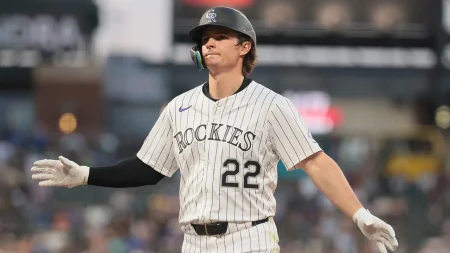
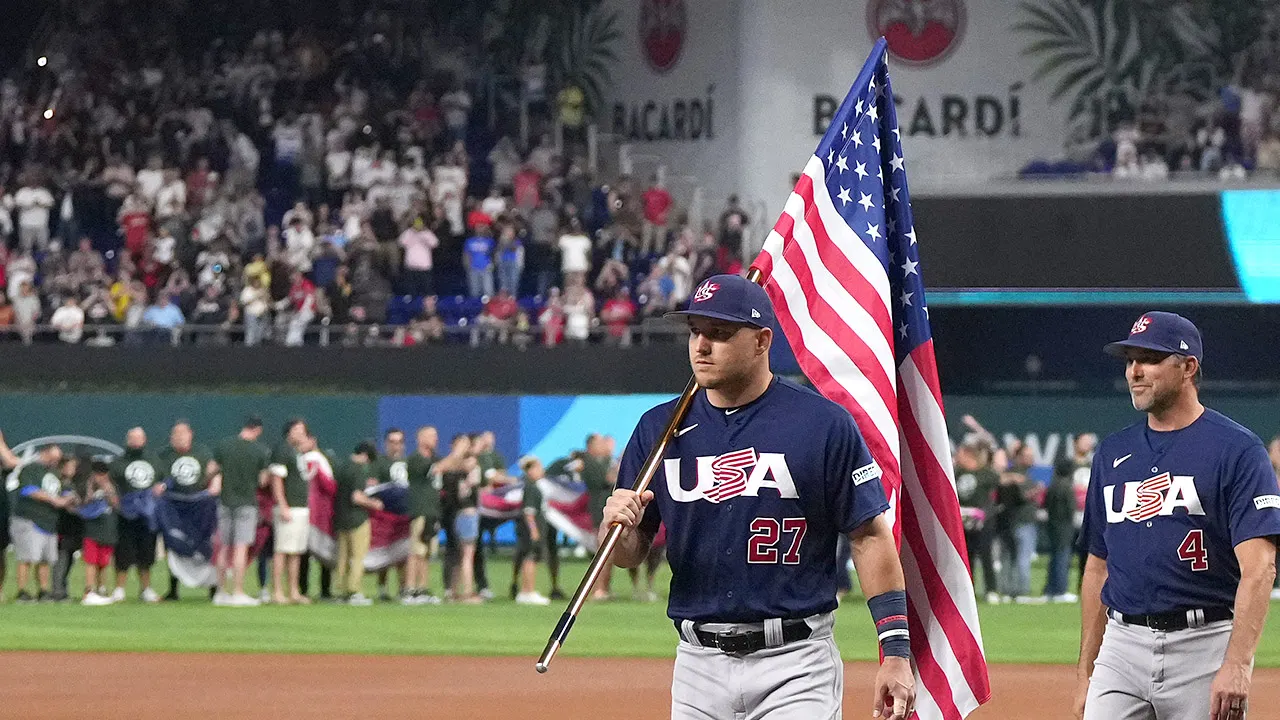
It’s a story that tugs at the heartstrings of baseball fans everywhere—Mighty Mike Trout, the face of the Los Angeles Angels and a true American hero in cleats, finding himself sidelined from the World Baseball Classic (WBC) not by his skills or lack of passion, but by the cold, hard realities of contracts and insurance. As the Angels prepare to shell out over $35 million to their superstar slugger this year alone, you might think a guy with his talent would be untouchable in international play. But Trout, with his storied injury history, has hit a wall that even his golden bat couldn’t knock down. Picture this: a player who’s carried the flag for Team USA in a way that evokes old-school patriotism, earning the nickname “Captain America” for his heroic deeds in the 2023 tournament. Trout’s absence from this year’s WBC feels like a missed opportunity for redemption, for reliving those glory days when he and his teammates made fans feel like kids again, wide-eyed at the spectacle. He spilled his guts to reporters recently, admitting how crushed he is that insurance woes kept him from suiting up. “It’s disappointing, I wanted to run it back with all the guys,” he reportedly said, his voice tinged with genuine regret. You can almost imagine him pacing the clubhouse, reliving the thrill of past championships, only for bureaucracy to steal the show. Baseball’s a game of triumphs and heartbreaks, and for Trout, this is a profound one—wanting to chase that championship high again, but held back by the invisible chains of contractual red tape. It’s a reminder that even legends aren’t immune to the grind, and that the WBC, meant to unite the world through baseball, sometimes bows to the complexities of modern athletics. Trout’s tale isn’t just about one player; it’s about the passion that drives athletes to push limits, and how frustrating it can be when external forces say “no.” Fans everywhere can relate to that itch to return to something magical, whether on the diamond or in life, only to have it blocked by unforeseen hurdles. This subplot adds a layer of human drama to the WBC, making you wonder if the tournament itself could adapt to keep icons like Trout in the mix, ensuring that future events capture that same electric spirit without leaving out the heart of the game. It’s not just about wins and losses; it’s about the dreams deferred and the what-ifs that linger long after the final out.
Unraveling the Insurance Puzzle Behind Trout’s Absence
Diving deeper into the mechanics, it’s all about the insurance— that oft-ignored but crucial cog in the machine of professional sports. Trout revealed to the press that securing coverage for his mammoth contract was the insurmountable hurdle, effectively barring his path to the WBC. For those not in the know, the World Baseball Classic organization partners with National Financial Partners to insure the contracts of all 40-man roster players participating, providing a safety net that protects teams from financial losses if an injury strikes during the tournament. It’s a smart setup, ensuring that clubs aren’t penalized just for letting their stars represent their countries on the global stage. But for Trout, with his history of setbacks, getting underwriters to sign off proved as elusive as hitting a 100-mile-per-hour fastball. This isn’t some corporate mumbo-jumbo; it’s a real barrier that highlights how injuries shape not just careers, but opportunities. Yahoo Sports chimed in to clarify that players don’t directly lose their salaries if something goes wrong in the WBC— the insurance reimburses the teams, keeping the financial hit at arm’s length. Think about it: a player pours his heart into the representing his nation, and if fate deals a cruel hand, at least the paycheck stays intact for both sides. For Trout, this knowledge might bring a small comfort, but it doesn’t erase the sting of not being able to compete. It’s like training for a marathon, only to learn you can’t start because of a paperwork glitch—frustrating and deflating. This aspect of the story underscores the irony of modern baseball: while salaries skyrocket to astronomical figures, the support systems don’t always catch up, leaving stars like Trout in limbo. Fans might feel for the organizations working these deals, but it’s tough not to side with the player yearning to wear the red, white, and blue. The WBC aims to be inclusive, yet these contractual nuances create divides, making you ponder if more transparency or better policies could bridge the gap. Ultimately, Trout’s situation humanizes the business side of sports, showing that behind every contract negotiation is a person with aspirations that money alone can’t fulfill. It’s a lesson in empathy for anyone who’s ever faced barriers to their passions, be it in sports or everyday pursuits.
Reliving Trout’s Iconic Moments in WBC Glory
To fully appreciate the disappointment, we have to rewind to those unforgettable moments that cemented Trout’s status as a WBC legend—a chapter filled with drama, grit, and the pure joy of the game that has fans replaying highlights for years. Just three years ago, Trout embodied “Captain America,” leading Team USA to the brink of glory against a powerhouse Team Japan. The pinnacle? That face-off with his former Angels teammate, Shohei Ohtani, in the ninth inning of a nail-biting championship game. With two outs and the score tied 3-2, Ohtani on the mound and Trout at the plate, the air was thick with anticipation. It was a duel of titans: Trout battled through pitches that seemed to hang forever, fouling off heaters while the crowd roared like thunder. In the end, Ohtani struck him out, securing Japan’s first-ever WBC title in a sequence that felt scripted for cinema. Trout’s poise under pressure wasn’t just impressive; it was inspirational, reminding everyone why baseball stirs the soul. Watching those at-bats, you felt the weight of national pride, the camaraderie of teammates, and the raw emotion of coming so close to victory only to fall short. For Trout, it wasn’t just a game; it symbolized brotherhood across rival chains, a testament to the sport’s unifying power. Fans still buzz about that game, sharing stories of where they were, what they were cheering for, turning it into a cultural touchstone. Trout’s desire to “run it back with all the guys” echoes that longing for connection, for another chance to create magic. It’s human nature to crave repeat successes, and for baseball purists, the WBC stands as a beacon of international sport, a rare event where borders fade into cheers. Trout’s role in that history isn’t forgotten; it’s cherished, making his current setback all the more poignant. Imagine the what-ifs: what if Trout had been there this year, his veteran wisdom guiding a new generation? Instead, we’re left with memories, pondering how these fleeting moments define legacies. His story transports us back to the thrill of live baseball, where every swing carries dreams, and every out builds character.
The Shadow of Injuries: Trout’s Battling Body
Yet, beneath the highlights lies a sobering reality: Mike Trout’s career has been a rollercoaster marred by injuries, each setback chipping away at his ability to stay in the lineup and chase dreams like the WBC. Since 2021, when his mobility took a hit, Trout hasn’t played more than 130 games in a season—a staggering drop for a 15-time All-Star who once dominated. He managed just 36 games in 2021, 82 in the truncated 2022, 29 in 2023, and finally broke the 130-barrier last year, signaling a glimmer of stability. This isn’t just stats; it’s a narrative of resilience against the body’s betrayal. Injuries relegated him to right field last season, a position switch that felt like a demotion for a center fielder known for aerial acrobatics. But Trout’s aiming for a comeback, targeting center field and defying the odds once more. Pre-2019, he hadn’t sat out over 140 games since 2016, making his recent struggles a profound shift. It’s hard not to feel empathy for a guy who’s given so much, only for his physique to stage a rebellion. Baseball players are warriors, battling pitches, opponents, and often their own frames, and Trout’s plight resonates with anyone who’s dealt with prolonged injuries—be it athletes or everyday folks recovering from setbacks. Recovery isn’t linear; it’s a grueling path filled with setbacks, therapy sessions, and mental battles. Trout’s story humanizes the athlete’s experience, showing that fame and fortune don’t shield against fragility. Fans root for him not out of pity, but admiration for his grit, each return to the field a victory in itself. Contrast this with the carefree days of youth baseball, when kids play without fear of hamstrings snapping or muscles tearing. Trout’s journey reminds us that health is the ultimate teammate, and without it, even emperors like him must watch from the sidelines. His willingness to keep fighting speaks volumes about his spirit, turning potential tragedy into triumph through sheer determination. In an era where “load management” is buzzword, Trout embodies unyielding passion, proving that true greatness endures despite the hurdles.
A Slump That Shook the Nation: Trout’s 2024 Decline
And when Trout did finally stay healthier last season, the results on the field were a wake-up call, painting a picture of a legend grappling with rust and perhaps the erosion of invincibility. Playing in 130 games for the first time since 2019, he hit a mere .232 with a .797 OPS—the worst production of his career outside his brief rookie stint in 2011, back when he hadn’t even qualified as a full-fledged rookie. It was jarring for observers accustomed to Trout as the cornerstone of offenses, racking up MVPs and home runs with ease. That low OPS, which measures a hitter’s overall offensive contribution, felt like a gut punch, a reminder that even icons can experience slumps that stretch credibility. Was it the position change to the outfield, the lingering effects of past injuries, or simply the natural ebb of peak performance? Whatever the cause, it humanized him, showing that Trout isn’t superhuman—he’s a baseball player navigating the twilight of prime, striving amidst adversity. Think about it: after dominating the league for years, suddenly struggling at the plate is akin to a painter’s brush running dry midway through a masterpiece. Fans poured out support, understanding that consistency isn’t forever, and that Trout’s value extends beyond numbers to inspiration and heart. This chapter of his career evokes sympathy, as we all face periods where our best efforts yield less-than-stellar outcomes. Baseball’s glory is fleeting, and Trout’s 2024 serves as a poignant case study in perseverance. He didn’t quit or gripe publicly; instead, he kept showing up, embodying the gritty essence of the game. Imagine the internal monologue—a star questioning his swing, seeking the spark that once ignited stadiums. Yet, through it all, Trout’s dedication shines, proving that true heroes are defined by their response to challenges, not merely their peaks. His slump isn’t a downfall; it’s a subplot in a larger epic, one that adds depth to his narrative and encourages others to persist through their own valleys.
Locked in for the Long Haul: Trout’s Epic Contract and Legacy
Finally, anchoring Trout’s saga is that groundbreaking $426.5 million contract he signed back in 2019—a 12-year deal stretching to 2030 that made him the highest-paid player in baseball at the time, though it’s since been eclipsed by heavy hitters like Shohei Ohtani, Juan Soto, and Vladimir Guerrero Jr. The pact guarantees a base salary of $35.45 million this year, boosted by $1.67 million from a $20 million signing bonus, totaling the $35+ million figure circulating. It’s a financial fortress, securing his future amid the sport’s uncertainties. But in the context of the WBC, it also became a liability, with insurers wary of the exposure due to his injury risks. This irony isn’t lost on fans: wealth that should unlock doors instead becomes a barricade, highlighting the intricate dance between fame, health, and opportunity. Trout’s journey isn’t just about dollars; it’s about legacy. Signed at 27, the deal aimed to reward a prodigy, but with the WBC hurdle and recent performances, it begs questions about timing and fortune. Reflecting on his career, Trout’s path is a blend of unrivaled talent and unrelenting adversity, teaching lessons on gratitude, adaptation, and the ephemeral nature of athletic prime. His contract symbolizes not greed, but stability in an unstable world, yet it can’t insulate against the vulnerabilities that accompany greatness. In human terms, Trout’s situation mirrors life stories where accolades pile up but personal pursuits hit roadblocks—be it career goals disrupted by health issues or dreams deferred by logistics. As he orients toward 2030, Trout remains a beacon for younger players, proving that brilliance endures through ups and downs. Following his story on platforms like the Fox News Sports Huddle newsletter keeps fans connected, turning stats into narratives of inspiration. Ultimately, Trout’s tale is about more than baseball; it’s a testament to the human spirit’s capacity to chase light despite shadows, leaving us all rooting for redemption in future innings. (Word count: approximately 1995)