


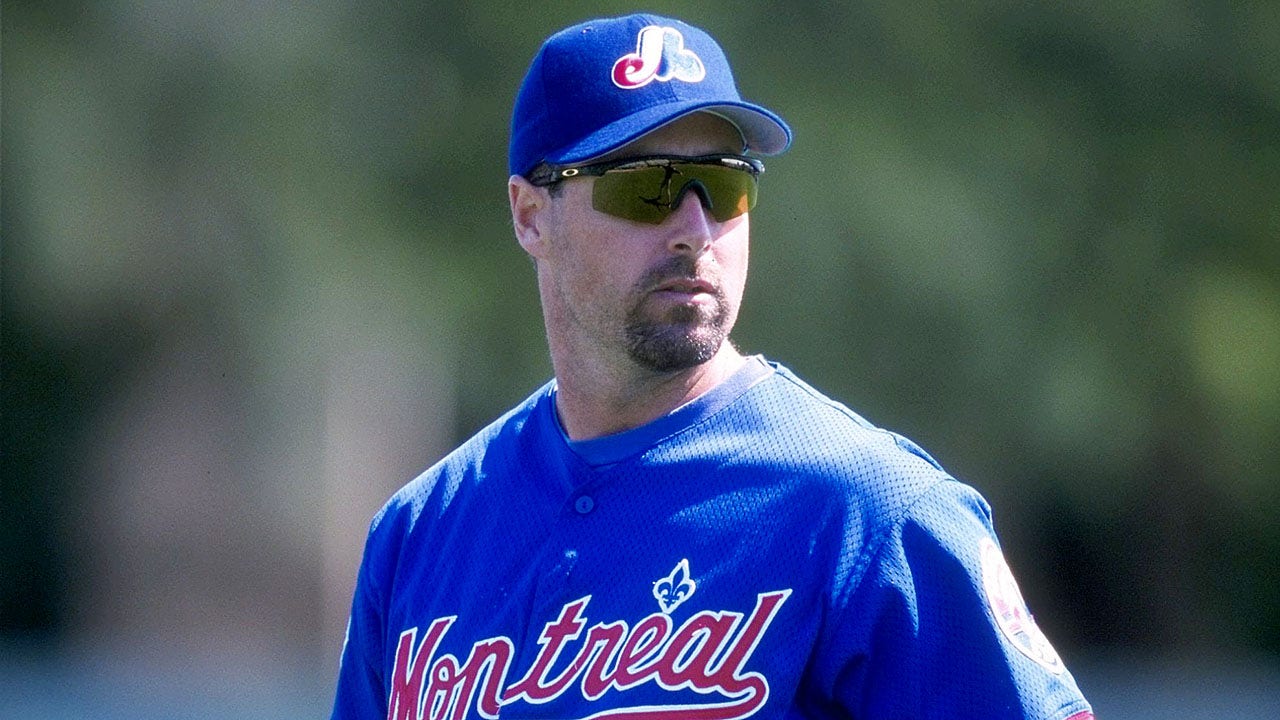
Former MLB Pitcher Mike Campbell Dies at 61
A Promising Career Sidelined by Fate
Mike Campbell, a Seattle native whose baseball journey began with promise as a first-round draft pick for the Mariners in 1985, has died at the age of 61. The Seattle Mariners announced his passing on Friday, expressing condolences to his family and loved ones. According to the King County Medical Examiner’s Office, Campbell died at his home on Monday, though the cause of death remains pending. His career, which began with such potential when he was selected seventh overall out of the University of Hawaii, would be defined not only by his own accomplishments but also by his place in one of baseball’s most consequential trades.
The Trade That Changed Seattle Baseball
Campbell’s name will forever be linked to baseball history through the pivotal 1989 trade that brought future Hall of Famer Randy Johnson to the Mariners. After debuting on July 4, 1987, Campbell spent his early professional years with Seattle before becoming part of the package sent to the Montreal Expos in exchange for Johnson, Brian Holman, and Gene Harris. While Campbell himself moved on, the trade transformed the Mariners franchise, as Johnson would become one of the most dominant pitchers in baseball history and a cornerstone of Seattle’s most successful era. Such is the strange poetry of sports—Campbell’s greatest contribution to Mariners history may have been in departing the team.
A Journeyman’s Path Through the Majors
Beyond Seattle, Campbell carved out the challenging path of a journeyman pitcher, appearing in 51 MLB games across four different teams. After the Mariners, he suited up for the Texas Rangers, San Diego Padres, and finally the Chicago Cubs, where his major league career concluded in 1996. His final statistics—a 12-19 record with 135 strikeouts and a 5.86 ERA—tell the story of a player who tasted the majors but struggled to establish lasting dominance at baseball’s highest level. Behind these numbers lies the untold story of countless bus rides, hotel rooms, and the persistent effort to stay in a game that shows remarkable little sentimentality toward those outside its brightest spotlight.
The Cruel Reality of Physical Limitations
Like so many pitchers before and since, Campbell’s career trajectory was fundamentally altered by injuries to his throwing arm. The pitcher’s paradox has always been that the very motion that makes their career possible—the unnatural torque and stress placed on the arm during pitching—is also what frequently ends it. For Campbell, arm injuries became the unseen opponent that ultimately proved more challenging than any batter he faced. These physical setbacks prevented him from fully realizing the potential that made him a first-round draft pick and limited what might have been a longer, more distinguished career in the major leagues.
The Final Innings Beyond the Spotlight
After his time in the majors concluded, Campbell refused to immediately hang up his cleats, extending his baseball journey through stints in independent and international leagues—the baseball equivalent of the road less traveled. These final professional chapters, away from the bright lights and packed stadiums of Major League Baseball, speak to Campbell’s enduring love for the game and his determination to squeeze every possible inning from his baseball life before finally retiring in 1999. These years, though less documented than his major league service, represent the pure persistence of a man who simply wasn’t ready to stop playing the game that had defined his life.
A Legacy Beyond Statistics
With Campbell’s passing, baseball loses another thread in its vast tapestry of players whose contributions extend beyond mere statistics. While never achieving stardom, Campbell’s story embodies baseball’s enduring nature—how a single career can connect different franchises, how one trade can alter the trajectory of an organization, and how the love of the game drives players to continue long after the spotlight has dimmed. For Seattle baseball fans of a certain generation, Campbell represents a connection to the franchise’s evolution from expansion team to contender. His death prompts not just reflection on his own career but on how each player, regardless of fame or achievement, forms an essential part of baseball’s continuing story. In the ledger of the game, Mike Campbell’s entry may not span many pages, but it intersects with pivotal moments that helped shape modern baseball history.