

Michael Jordan Takes a Stand Against NASCAR in Antitrust Lawsuit
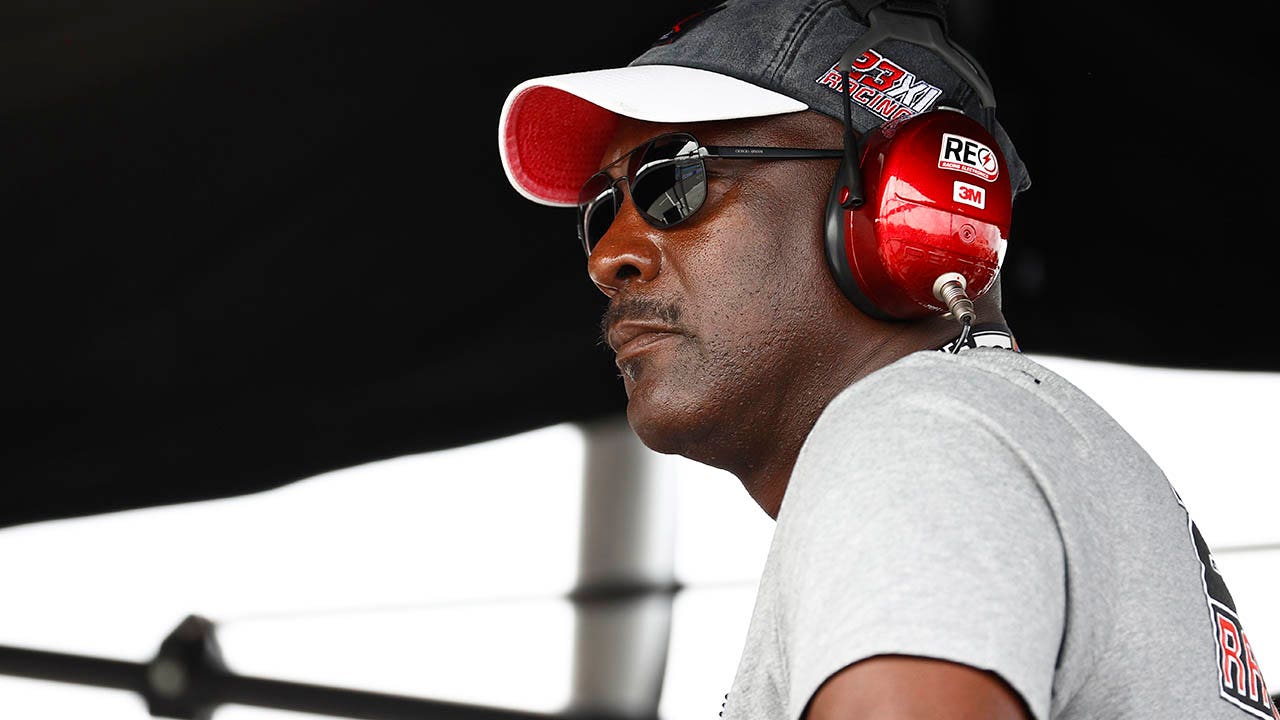
NBA icon Michael Jordan took the witness stand in his antitrust lawsuit against NASCAR on Friday, explaining his decision to challenge a sporting organization he grew up admiring. “Someone had to step forward and challenge the entity to understand that it is a real concern from our aspect,” Jordan testified. “I felt I could challenge NASCAR as a whole. I felt, as far as the sport, it needed to be looked at from a different view.” Jordan’s testimony follows a contentious dispute over NASCAR’s charter system, which guarantees teams revenue and race participation. The basketball legend, who co-owns 23XI Racing with Daytona 500 champion Denny Hamlin, has invested between $35-40 million in the team since its 2021 launch and currently owns a 60% stake.
The lawsuit emerged from a tense negotiation period that culminated in September 2024, when NASCAR gave teams just six hours to sign a 112-page charter extension agreement. Heather Gibbs, daughter-in-law of racing team owner Joe Gibbs and a real estate agent, described the ultimatum in stark terms: “The document was something in business you would never sign. It was like a gun to your head: If you don’t sign, you have nothing.” The charter system, established in 2016, provides financial stability for racing teams by guaranteeing chartered cars a spot in every race along with defined payouts from the series. During more than two years of negotiations, teams repeatedly requested that these renewable charters be made permanent to ensure long-term revenue stability, but NASCAR refused.
While 13 of 15 racing organizations ultimately signed the extension under pressure, 23XI Racing and Front Row Motorsports stood firm and filed their lawsuit instead. Front Row owner Bob Jenkins, a fast-food franchiser, testified earlier that he has never turned a profit since founding his team in the early 2000s and estimates losses around $100 million. The trial, which began on Monday, centers on allegations that NASCAR operates as a monopolistic entity that bullies teams into accepting unfavorable terms. Jordan and his fellow plaintiffs argue that NASCAR’s refusal to negotiate reasonable terms or discuss potential improvements to the charter system left them with no choice but to pursue legal action.
Despite the ongoing litigation, Jordan demonstrated his commitment to racing success by purchasing a third charter for $28 million late in 2024. “I’m pretty sure they know I love to win,” Jordan explained. “Denny convinced me getting a third driver improved our chances to win, so I dove in.” This investment highlights the tension between Jordan’s competitive drive and his frustration with NASCAR’s business practices. When asked why 23XI didn’t simply sign the extension like most other teams, Jordan outlined three main objections: “One, I didn’t think it was economically viable. Two, it said you could not sue NASCAR. That was an antitrust violation, I felt. Three, they gave us an ultimatum I didn’t think was fair to 23XI.”
The core of Jordan’s complaint centers on NASCAR’s unwillingness to engage in meaningful partnership discussions. “I wanted a partnership, and permanent charters wasn’t even a consideration. The pillars that the teams wanted, no one on the NASCAR side even negotiated or compromised. They were not even open-minded to welcome those conversations. So, this is where we ended up.” This testimony suggests that beyond the specific terms of the charter agreement, Jordan is challenging what he perceives as NASCAR’s overall approach to team relationships and governance—a hierarchical model rather than a collaborative one that values team input.
The lawsuit represents a significant moment in NASCAR’s history, with one of the world’s most recognized sports figures directly challenging the racing organization’s business practices. For Jordan, who built his reputation not just as an extraordinary athlete but as a successful businessman and team owner across multiple sports, the case appears to be about establishing fair principles as much as specific financial terms. The outcome could potentially reshape how NASCAR engages with teams in the future and may establish new precedents for the relationship between sports leagues and team owners. As the trial continues, the racing world watches closely to see whether this challenge from Jordan and his co-plaintiffs will drive NASCAR toward a more equitable partnership model or further entrench existing power dynamics in the sport.