





Missouri’s NFL Heartbreak: Chiefs Plan Move Across State Lines
In a significant blow to Missouri’s sporting landscape, the Kansas City Chiefs announced plans to leave Arrowhead Stadium and relocate across state lines to Kansas City, Kansas, by 2031. This decision deepens Missouri’s painful history with NFL franchise departures, coming just years after Stan Kroenke moved the St. Louis Rams to California in 2016. Kansas lawmakers have approved a bond package to help finance a new state-of-the-art domed stadium, outbidding Missouri’s own desperate attempts to keep the three-time Super Bowl champions within state borders. The team’s planned departure from their iconic home of over five decades represents not just a business decision but the end of an era for many devoted fans.
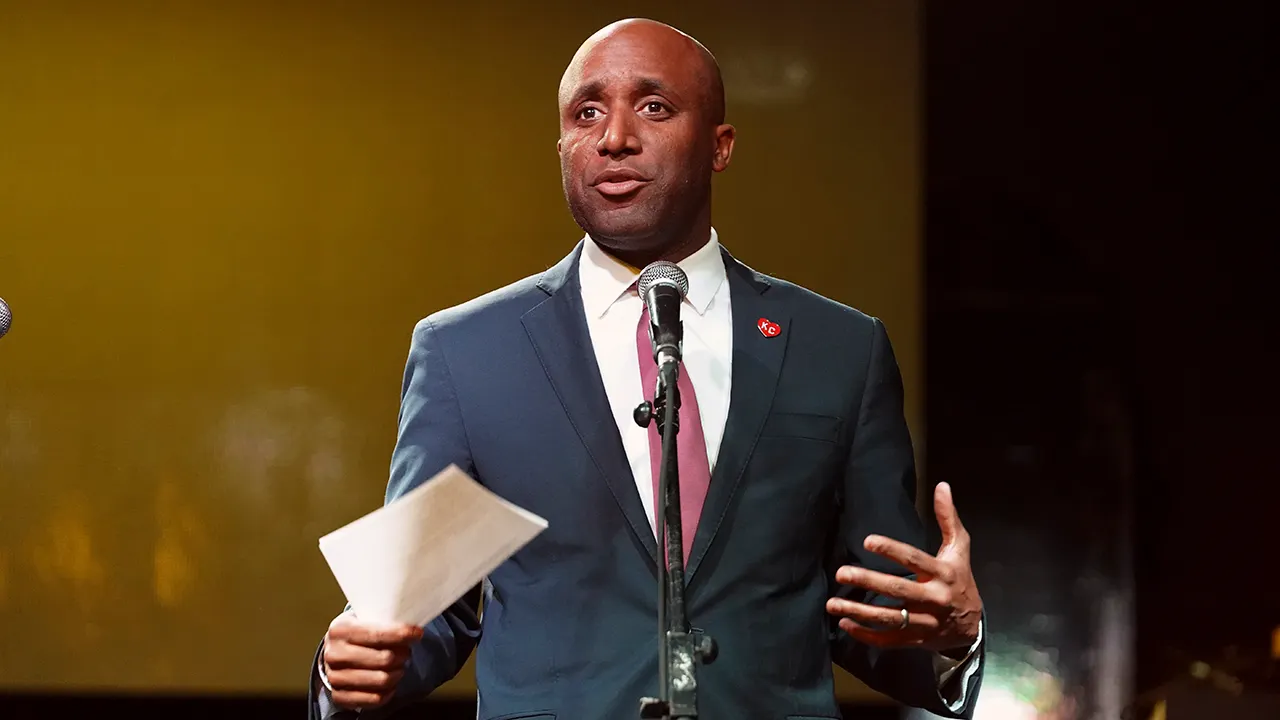
For Kansas City, Missouri Mayor Quinton Lucas, the Chiefs’ departure is deeply personal. Reflecting on his childhood connection to Arrowhead Stadium, Lucas shared how he once lived in a motel near the stadium during a period of homelessness. “I knew we struggled, but I believed nothing was cooler than living within a stone’s throw of what I thought then and today is the greatest stadium in football,” he explained. Despite this emotional connection, Lucas acknowledged the reality of the situation: “We understand our very fair but very responsible financial offer of taxpayer support was surpassed by an even more robust public financing package in Kansas. The Chiefs have a business to run and today made a business decision.” Missouri lawmakers had convened a special legislative session in June, authorizing bonds to cover up to 50% of stadium costs plus tax credits, but their efforts ultimately proved insufficient against Kansas’s more generous offer.
The Chiefs’ relocation plans have sparked varied reactions among their passionate fan base. While the team isn’t moving far geographically, many supporters express concerns about potential increases in ticket prices, changes in game-day experiences, and the loss of Arrowhead Stadium’s historic atmosphere. Some fans like Dustin Allen from Blue Springs question the wisdom of abandoning their “very nice spot,” while season ticket-holder Mike Robinson worries that “season ticket holders may not be able to keep up with their tickets with the rising prices” at a brand-new facility. Others, like Analaysia Miller from Kansas City, Kansas, take a more pragmatic view: “As long as they are still in our city, representing for our city. That’s all that matters to me.”
The Chiefs’ move raises important questions about the relationship between professional sports franchises and their host communities. After advancing to four of the past five Super Bowls and winning three championships, the team’s tremendous success has only strengthened their devoted fan following. This makes the business decision to relocate particularly poignant for Missouri residents who have emotionally and financially invested in the team. The stadium that has been home to iconic Chiefs moments since the 1970s – from Len Dawson’s final games to Patrick Mahomes’ spectacular performances – will soon be relegated to memory, creating a bittersweet transition for generations of fans who have filled the stands through championship seasons and rebuilding years alike.
This relocation also casts uncertainty on the future of Kansas City’s other major sports franchise. The Kansas City Royals have already declared they will not play at Kauffman Stadium beyond 2031, and their preference has been to build a new downtown ballpark. However, a sales tax extension that would have funded both an $800 million renovation of Arrowhead Stadium and a new home for the Royals was decisively rejected by Jackson County, Missouri voters last year. This forced both franchises to explore alternatives, with the Chiefs now finding their solution across state lines. The question remains whether the Royals will follow a similar path or find a way to remain in Missouri, potentially leaving Kansas City, Missouri without either of its major professional sports teams in the coming decade.
The Chiefs’ planned departure illuminates the complex economic realities facing modern professional sports franchises and their host cities. While team owners pursue the most advantageous financial packages and state-of-the-art facilities, communities grapple with balancing public expenditures against the cultural and economic benefits of hosting professional teams. For Missouri, losing a second NFL franchise within a relatively short timespan represents a significant cultural and economic blow, despite the Chiefs remaining in the broader metropolitan area. As the 2031 departure date approaches, both states will continue to navigate the financial implications of this decision, while fans prepare for a new chapter in Chiefs history – one that preserves the team’s identity but transforms its physical home from the beloved “Sea of Red” at Arrowhead to a new frontier in Kansas.