





The Stadium Roared With Tension and Hope
Under the bright lights of Alex Box Stadium, the LSU Tigers faced a daunting deficit against the Kentucky Wildcats on a crisp Sunday afternoon. The crowd, a sea of purple and gold, had cheered wildly at the start, but by the bottom of the third inning, their energy had dwindled like a fading echo. Kentucky was up 7-0, dominating with relentless hitting and a pitching staff that seemed unbeatable. The score felt like an anchor pulling the Tigers down, each run conceded adding weight to the shoulders of the players. You could sense the frustration in the bench—heads hung low, coaches urging composure amid the storm. LSU’s star players, those heralded talents, looked ordinary, overshadowed by Kentucky’s efficient machine. Fans in the stands whispered doubts: “Can they come back from this?” Yet, deep down, there was a spark of resilience in the air. The Tigers had a history of heroism, of clawing back from the brink. Players exchanged knowing glances, reminding each other of past miracles. As the innings ticked by, LSU began chipping away at the lead. They scratched out runs here and there, turning singles into rallies. The energy shifted subtly; a stolen base ignited murmurs of possibility. By the fourth inning, they had narrowed it to 7-6, their offense awakening with sharper swings and smarter base-running. The dugout buzzed with renewed confidence, players high-fiving and envisioning the turnaround. Coach Jay Johnson’s voice cut through the noise, emphasizing grit over glamour. “Focus on the process,” he’d say, drawing from his years of tactical wisdom. The crowd, sensing the tide turning, began to roar louder, their cheers fueling the comeback. It wasn’t just about baseball now; it was about heart. Every out became a battle, every hit a victory. The Tigers were down, but not out, proving that even the deepest holes could be climbed with determination. This game embodied the spirit of college sports—raw, unpredictable, and full of redemption. As LSU fought back, the stadium transformed from a place of skepticism to one of anticipation, where hope flickered like a stubborn flame ready to ignite into a full-blown fire.
Building Momentum on the Field
In the midst of the comeback, LSU’s players channeled the crowd’s energy into their swings and sprints. The fifth inning brought more drama when Kentucky pushed their lead back to three runs, capitalizing on LSU’s defensive lapses. A fielder’s bobble here, a misjudged pitch there—it could have broken spirits, but the Tigers held firm. Their lineup, a mix of seasoned veterans and hungry newcomers, refused to fold. They focused on fundamentals, one pitch at a time. In the dugout, infield chatter was strategic yet passionate: dreamers planning, executors acting. Each batter stepping up carried the weight of the team’s dreams, knowing that a single clutch hit could swing the pendulum. The atmosphere was electric, with fans on the edge of their seats, cell phones jostling for photos as the game seesawed. LSU added more runs, trimming the deficit to one, proving their resilience wasn’t just talk. You could feel the players’ confidence swelling; eyes brightened, stances steadied. Coach Johnson’s sub calls were spot-on, resting tired arms while injecting fresh energy. The bullpen held steady, preventing further damage despite pressure-packed situations. Every out felt monumental, a testament to mental toughness. Players recalled personal motivations—family in the stands, future aspirations—fueling their drive. The comeback wasn’t linear; it was messy, with moments of doubt wedged between triumphs. But in that mess lay the magic of sports, where ordinary kids become heroes. The stadium pulsed with that intangible force, urging the Tigers onward. As the sixth inning loomed, anticipation built; the Wildcats sensed the shift, their own players showing signs of wear. LSU wasn’t just playing to win—they were playing to inspire, to show that perseverance could rewrite the script of a seemingly lost game. In those tense moments, the beauty of baseball shone through: strategic depth, human endurance, and the thrill of an underdog story unfolding in real-time.
Seth Dardar’s Rise in the Spotlight
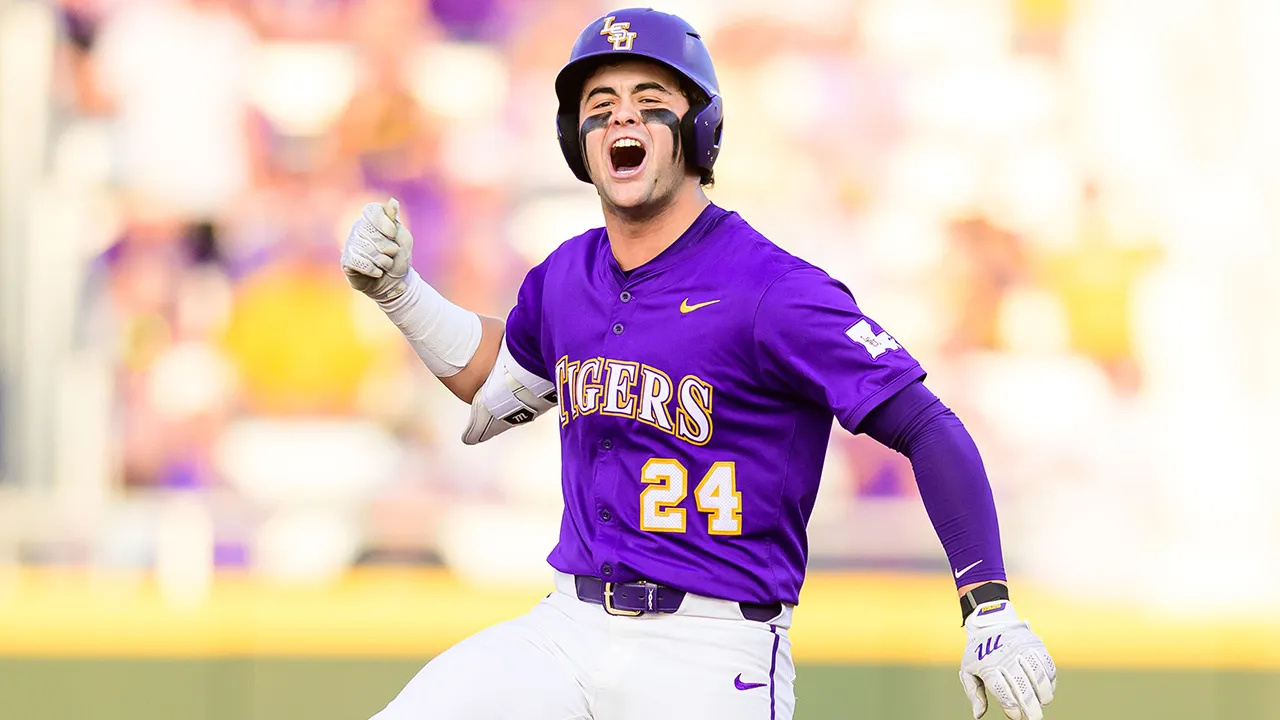
Amid the intensity, Seth Dardar emerged as the catalyst, his story a fitting microcosm of triumph. A transfer from Kansas State and Columbia, Dardar was making his mark at LSU, drawn by the program’s prestige and the chance to chase glory. On this day, with the Tigers trailing, he stepped to the plate in the sixth inning, the bases loaded, expectations heavy on his young shoulders. You could see the determination in his eyes, a quiet fire burning beneath the surface. Dardar wasn’t one for grand gestures off the field—he spoke through actions, his journey a quiet narrative of ambition. Growing up in Louisiana, baseball was his escape, a way to channel energy into something productive. At Kansas State, he’d learned discipline; Columbia honed his craft. Now, at LSU, he was blossoming, proving transfers weren’t just fillers but vital pieces. With two men on base, the count working in his favor, Dardar swung at a breaking ball and connected—a majestic shot to right field. As the ball soared, a collective gasp rippled through the crowd. He knew immediately it was gone, the crack of the bat echoing like a promise fulfilled. Rounding the bases, Dardar’s mind raced: relief washing over him, pride swelling, the moment’s weight sinking in. He wasn’t just hitting a home run; he was authoring a chapter in LSU lore. The dugout erupted in celebration, teammates chanting his name, high-fives landing like thunder. Fans in the stands stood, clapping wildly, smartphones capturing the instant. Dardar’s family, watching from afar, must have felt immense joy, their son the hero. This wasn’t random fortune—it was the culmination of hours on the field, endless drills, and unwavering belief. His background added layers: a kid who overcame challenges to shine. As he crossed home plate, the score flipped to an 11-10 lead, but the emotional impact was even deeper. In that swing, Dardar humanized the game, reminding everyone that baseball is about stories of growth and grit, not just statistics.
The Exclamation Point: A Bat Flip and a Crowd’s Euphoria
The eighth-inning moment with Seth Dardar wasn’t just a home run; it was poetry in motion, a symphony of emotion within the game’s rhythm. As he launched the ball to right field, he instinctively flipped his bat high into the air—a defiant, joyous gesture that encapsulated pure exhilaration. You could almost feel the release of tension in that twist of wood, like shedding a heavy burden after hours of strain. The crowd’s reaction was instantaneous: cheers erupted, drowning out the stadium’s hum, turning the afternoon into a shared catharsis. Families hugged, strangers high-fived, all united in the thrill of baseball’s unpredictability. Dardar’s teammates poured out of the dugout, mobbing him at home plate with slaps and hugs, their faces alight with unbridled delight. He grinned underneath his helmet, that moment etching itself into memory— a young man’s dream realized on a grand stage. The bat flip, more than a show, symbolized confidence and celebration, a subtle nod to the game’s flair. Referees smiled, the umpires clapped, acknowledging the sportsmanship. Fans narrated the scene online, praising Dardar’s poise. It wasn’t just about runs scored; it was about human spirit soaring. LSU’s bullpen, silenced Kentucky’s bats post-clutch hit, securing the lead. Each out became a victory lap, the pressure lifting. Dardar’s act humanized the heroics, showing vulnerability amid strength. He wasn’t a robotic performer but a passionate player, emotions raw. The game paused for that instant of joy, reminding us of baseball’s magic: adrenaline, community, and fleeting euphoria. As the innings wound down, the stadium thrummed with anticipation, the once-doubting crowd now fervent believers. Dardar’s home run and bat flip weren’t isolated; they were the heartbeat of resilience, inspiring hope in every fan’s heart.
Victory Secured and Lessons Learned
With Seth Dardar’s heroics locking in the comeback, LSU clinched a hard-fought 17-10 win against Kentucky, sweeping the series and silencing doubts that loomed large. The final innings showcased LSU’s resolve: their pitching staff, a blend of veterans and rookies, shut the door on Kentucky’s scoring threats, preserving the lead with composed deliveries and strategic outfield plays. The Tigers’ defense turned heads, fielding balls with acrobatic grace, each catch reinforcing the team’s mental fortress. Coach Jay Johnson’s post-game words resonated deeply: “Even down 7-0, our players were confident they were going to come back in this game. I’m very proud of the way they competed; they gave their all throughout the game and earned a great victory.” These sentiments captured the essence of the squad’s journey—from the pit of despair to the peak of elation. Johnson’s leadership, grounded in experience, fostered an environment where players trusted the plan, even when odds seemed insurmountable. The win wasn’t just statistical; it was psychological, boosting morale for the season ahead. Parents in the stands wiped away tears of pride, alumni celebrated via social media, and the team bonded tighter. Dardar’s standout performance anchored LSU’s offense, his 3-for-5 day including a double and four RBI, making him the game’s linchpin. The Tigers improved to 19-10 overall and 4-5 in the SEC, a step forward in a competitive conference. Kentucky, falling to 21-6 and 5-4 in the SEC, reflected on the missed opportunities but also on the game’s unpredictability. This victory underscored themes of perseverance and teamwork, teaching fans that sports aren’t won in moments but through enduring commitment. The players, adorned in grass-stained uniforms, walked off the field as champions, their stories enriched by the day’s drama.
Reflections on Dardar and the Road Ahead
Seth Dardar’s path to LSU fruition highlighted the tribulations and triumphs of a baseball journey, embodying the human side of collegiate athletics. Transferring for the 2026 season from Kansas State and Columbia, he navigated challenges like adapting to new systems, building chemistry with teammates, and proving his worth in a star-studded lineup. His clutch home run wasn’t born of luck but relentless practice—countless batting cage sessions, film study, and mental preparation. In interviews, Dardar spoke humbly of his motivations: family support, a passion for the game, and dreams of advancing his career. He dreamed of the pros, but focused on LSU’s goals, blending personal ambition with team success. This victory elevated his profile, with scouts taking note, yet he remained grounded, crediting coaches and teammates. The game’s emotional arc mirrored broader life lessons—resilience in adversity, joy in achievement. Fans following Fox News coverage, now audible via the app, could relive moments like Dardar’s bat flip, the crowd’s roar, and the team’s grit. Subscribing to newsletters and following on X, enthusiasts stayed immersed in such stories, celebrating heroes like Lourdes Gurriel Jr.’s feats or cross- conference rivalries. LSU’s season, at 19-10, promised more dramas, with SEC matchups like ole Miss looming, where players like Trinidad Chambliss battled eligibility nuances. Dardar’s emergence signaled growth, inspiring young fans to chase their passions. In the quiet aftermath, as the stadium emptied, the essence of baseball lingered: not just games won, but memories forged. Each player, from the coach to the rookie, contributed to a tapestry of human endeavor, proving that in sports, as in life, triumphs stem from unyielding spirit. The day’s events, with their highs and lows, reminded us of baseball’s allure—its ability to unite, uplift, and humanize us all.