

Top LIV Golf Stars Remain Loyal Despite Brooks Koepka’s Return to PGA Tour
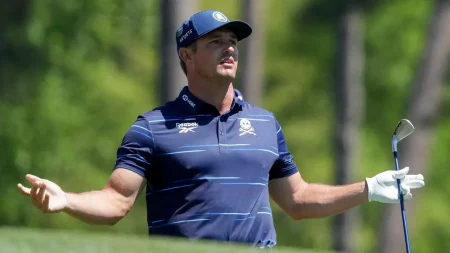
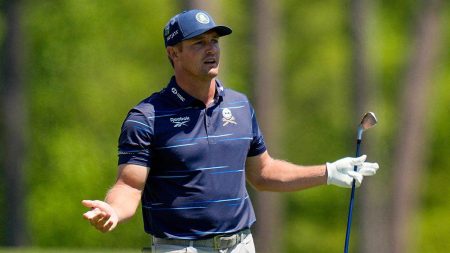
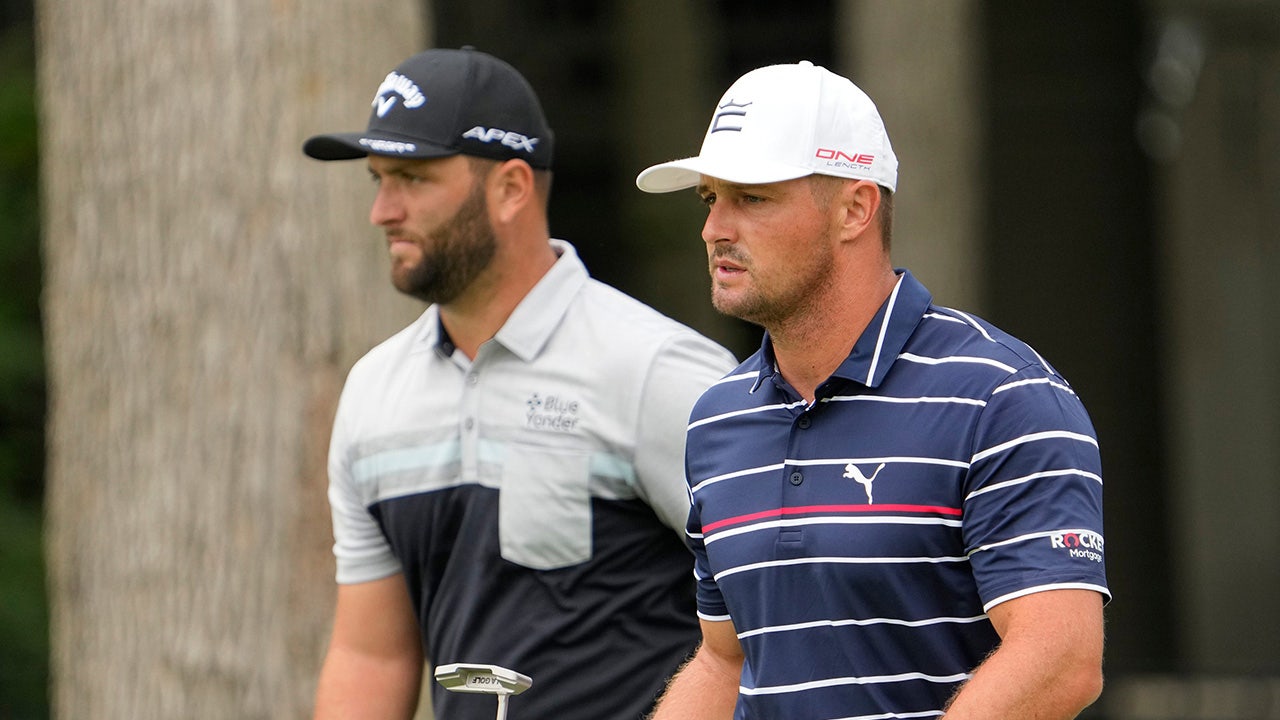
In the wake of Brooks Koepka’s surprising return to the PGA Tour, LIV Golf’s remaining marquee players have emphatically reaffirmed their commitment to the Saudi-backed league. Speaking at a recent preseason press conference, stars Bryson DeChambeau, Jon Rahm, and Cameron Smith all made it clear they have no intentions of following Koepka back to the PGA Tour. Their responses were united in their resolve, with DeChambeau expressing surprise at Koepka’s decision while emphasizing his own contractual obligations: “I had no idea that would happen. Right now, I’ve got a contract. I’m looking forward to seeing what we can do at LIV Golf this year.” This sentiment of loyalty to LIV was echoed by his fellow competitors, suggesting that while Koepka’s departure was significant, it hasn’t triggered an exodus from the controversial league.
For Cameron Smith, who joined LIV shortly after winning the 2022 Open Championship, the lifestyle benefits of the Saudi-backed tour remain a primary factor in his continued allegiance. “I made a decision to come out here and spend more time at home, and I’m not giving that away. I’ll be on LIV for years to come,” Smith stated definitively. His comments highlight one of LIV’s most appealing selling points to many players—a less demanding schedule that allows for more personal time, something the traditionally rigorous PGA Tour calendar doesn’t always accommodate. Smith’s commitment seems unwavering, suggesting that for some players, the work-life balance offered by LIV outweighs any potential benefits of returning to golf’s traditional establishment.
Perhaps most telling was Jon Rahm’s response, given his once vocal opposition to LIV Golf before his stunning reversal in December 2023 when he joined the league in what many considered its biggest recruitment coup. The Spanish star was direct in addressing speculation about his future: “I’m not planning on going anywhere. Very similar answer to what Bryson gave. I wish Brooks the best. As far as I’m concerned, I’m focused on the league and my team this year, and hopefully we can repeat as champions again.” Rahm’s steadfastness is particularly notable given his previous criticisms of LIV, demonstrating how thoroughly his perspective has changed since becoming one of the league’s highest-paid stars. His continued commitment suggests that LIV’s financial incentives and team-oriented structure remain compelling enough to retain even those who once seemed firmly in the PGA Tour’s camp.
Koepka’s departure from LIV marked a historic moment as he became the first high-profile player to return to the PGA Tour after defecting. In his announcement, Koepka cited family considerations and optimism about the PGA Tour’s new direction: “Being closer to home and spending more time with my family makes this opportunity especially meaningful to me. I believe in where the PGA Tour is headed with new leadership, new investors, and an equity program that gives players a meaningful ownership stake.” However, his return comes at a considerable cost. According to PGA Tour CEO Brian Rolapp, Koepka has agreed to forfeit five years of potential equity in the Tour’s Player Equity Program—an estimated loss of $50-85 million depending on his performance and Tour growth—and will make a $5 million charitable donation. These substantial financial penalties underscore the high stakes involved in switching allegiances in golf’s ongoing power struggle.
The PGA Tour has responded to Koepka’s return by establishing a “Returning Member Program,” creating a formal pathway for other LIV players who might consider following his lead. This strategic move suggests the Tour recognizes the potential for more defections from LIV and wants to establish clear terms for reintegration. However, based on the unified responses from LIV’s remaining stars, the Tour may find few immediate takers for this program. The contrasting visions between the two organizations remain stark: the PGA Tour emphasizes tradition, legacy, and now player equity, while LIV continues to attract and retain players with lucrative contracts, lighter schedules, and its team-based format that has clearly resonated with certain competitors.
As golf’s bifurcated landscape continues to evolve, Koepka’s decision represents an intriguing individual choice rather than the beginning of a mass exodus from LIV Golf. While the financial penalties he accepted highlight the serious consequences of these career decisions, the unwavering commitment expressed by DeChambeau, Rahm, and Smith demonstrates that LIV has successfully created lasting appeal for many top players. The contrasting paths taken by these elite golfers reflect the deeply personal nature of their professional choices, balancing financial considerations against competitive desires, lifestyle preferences, and long-term career aspirations. As both tours continue to adapt and compete for talent, the responses from LIV’s stars suggest that golf’s divided ecosystem will remain a reality for the foreseeable future, with each circuit maintaining a distinct identity and roster of committed players.