





Paragraph 1
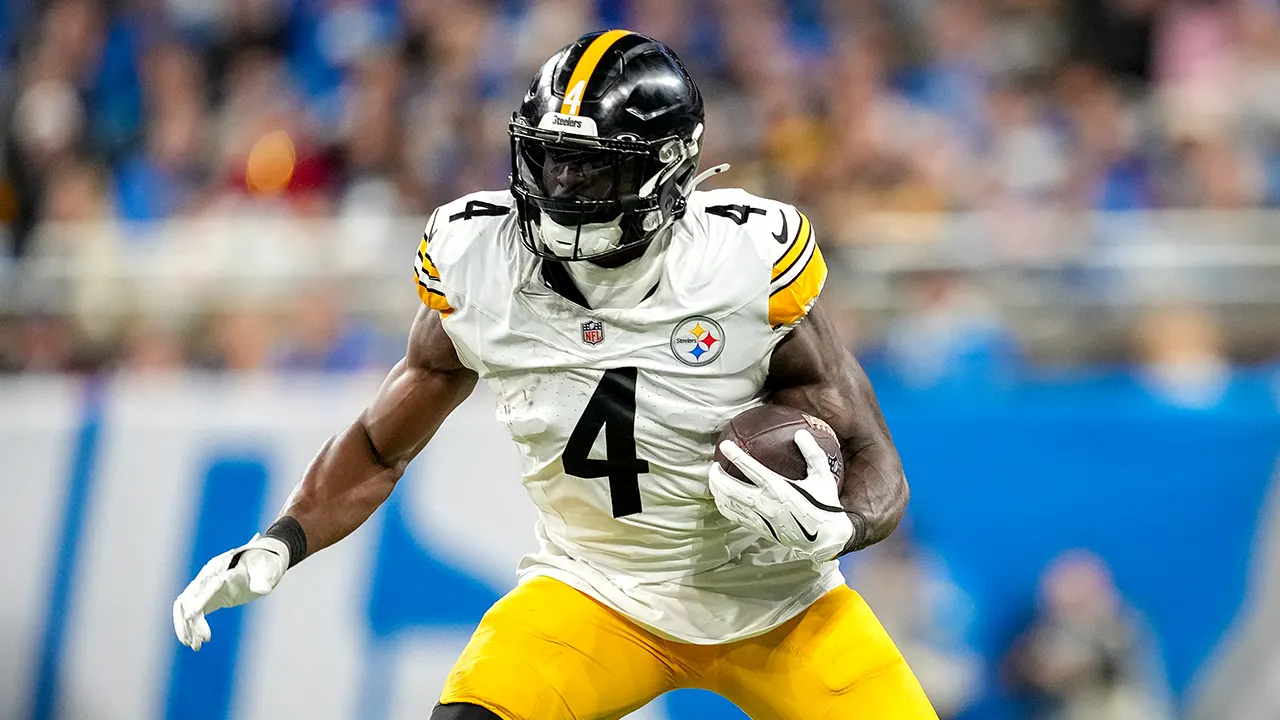
Imagine waking up one crisp December morning in Michigan, your heart pounding with the thrill of football season. Ryan Kennedy, a lifelong Detroit Lions fan from the heartland of America, has always lived for those Sunday afternoons at Ford Field, surrounded by roaring crowds and the electric energy of the game. Picture him, a regular guy with a family and a day job, sitting in the stands with his buddies, beers in hand, cheering his team against their rivals, the Pittsburgh Steelers. It’s a dream for many, but on December 21, during a heated matchup in the first half, that dream turned into a nightmare. Steelers wide receiver DK Metcalf, a towering figure on the field known for his explosive plays and flashy style, suddenly turned his attention to the stands. In a flash, Metcalf appeared to swing at Kennedy, who was just trying to engage, maybe shouting something in the heat of the moment amidst the chaos. The NFL, ever vigilant, handed Metcalf a two-game suspension, effectively silencing him for the rest of the regular season. For Ryan, it wasn’t just a brush with fame—it felt personal, invasive, like the lines between spectator and player had been fatally crossed. As he recounts it later, he felt the sting of vulnerability, a father and husband wondering how his life flipped so suddenly. This wasn’t supposed to happen in the sanctuary of the stadium, where fans pay good money to connect with their heroes.
Paragraph 2
The shockwaves didn’t stop at the game. In the days that followed, whispers and accusations spread like wildfire across social media and podcasts, amplifying what started as a minor altercation into a national saga. Enter Chad Johnson, the flamboyant former NFL star with his signature bow at the top of his dreadlocks, co-hosting “Nightcap” on Shannon Sharpe’s Shay Shay Media. On the show right after the game, Johnson claimed Metropolitan broadcast Metcalf’s version of events: that Ryan Kennedy had hurled racial slurs at the receiver and used derogatory words about his mother, like talking trash about someone’s family. For Metcalf, a young man built like a tank with a contract worth millions, this wasn’t about calming things down—it was about defending his honor, fueled by the adrenaline of the hit and the loyalty to his boys on the team. He insisted Kennedy went too far, crossing into hate speech territory. But imagine Ryan’s side: a middle-class guy from Detroit, raised to respect everyone, now painted as a racist in tabloids and tweets. He denied it vehemently at a press conference, his voice shaking, saying it was all fabricated in the heat of the moment. Family and friends rallied around him, sharing stories of his generous nature, how he’d never utter such vile things. Yet, the podcast’s narratives clung on, reinterpreted thousands of times, making Kennedy feel like he was living in a nightmare where innocence was presumed guilty.
Paragraph 3
As the holiday season approached, with twinkling lights and carols in the air, Ryan’s world remained bleak. The Steelers, with their steel-tough reputation and a new contract decision looming for Metcalf after the game, had to navigate this mess. The team, led by a front office accustomed to headlines, made a major move: they officially responded to the suspension and rumors by focusing on Metcalf’s value—850 receiving yards in his debut season with them, unprecedented for a newcomer. But for Ryan, the personal cost was escalating. He couldn’t shake the feeling of being doxxed and defamed by a player who earned million-dollar endorsements while he scraped by. Emotions ran high; he talked about anxiety keeping him up at night, worrying about his kids being bullied at school over “Daddy the racist.” Shannon Sharpe, the podcast patriarch with his everyman wisdom, added fuel by endorsing Johnson’s tale, turning what could have been a forgotten bump into a public crucifixion. Kennedy pleaded his case, asserting he used no slurs—just passionate fan talk, like thousands of others at games. Friends described him as the guy who’d help a stranger or coach Little League, not someone harboring hatred. Yet, the digital age amplified every word, and soon, Ford Field itself came under scrutiny, its iconic structure now associated with lapses in security.
Paragraph 4
Come December 26, just days after the game, Ryan Kennedy stepped into the spotlight in Farmington Hills, Michigan, with his legal team flanking him. The scene was poignant—a news conference in a nondescript banquet hall, cameras flashing like silent accusations. For Ryan, a self-described blue-collar fan who adored the Lions since childhood, this was his stand. He announced the lawsuit filed in Wayne County Court, seeking a staggering $100 million in damages. It wasn’t about the money, he explained in interviews, but justice for the emotional toll—lost sleep, tarnished reputation, and a sense of betrayal by the very sport he loved. Named in the suit were the heavy hitters: DK Metcalf himself, accused of starting it all; the Pittsburgh Steelers, for not reigning in their player; and Ford Field’s management, the stewards of the stadium where dreams unfold. Former players like Chad Johnson and Sharpe’s media empire were roped in too, for broadcasting what Kennedy called “defamatory and life-altering statements.” He felt vindicated, like finally getting a microphone against the giants. Lawyers painted a picture of recklessness, how Metcalf’s false claims had ricocheted, instigating a media frenzy that ruined lives. Ryan, ever the resilient everyman, dreamed of normalcy returning—back to tailgating without fear of being swung at.
Paragraph 5
Delving deeper into the lawsuit’s nine counts, it reads like a script from a court drama, each allegation meticulously crafted to humanize the pain. Negligence against Ford Field was the centerpiece: they failed to erect proper barriers or enforce protocols, allowing a player to lunge into the stands like it was an extension of the field. Imagine patrons, families with popcorn and jerseys, suddenly at risk—Kennedy argued that management knew the dangers but cut corners for excitement. Defamation charges peppered the document, targeting Metcalf for lying about the slurs and assaulting Kennedy’s character, and Johnson for parroting the untruths without verification. The Steelers faced liability too, for harboring a player who provoked violence. Ryan’s account detailed no “N-word” or derogatory insults toward Metcalf’s mother—just heated banter in a packed stadium. He described it as mutual escalation, but the aftermath made him out as a villain. Emotionally, the suit exposed the trauma: defamation isn’t just words; it’s isolation, as friends distanced themselves fearing association. Kennedy’s team emphasized Metcalf’s role in authorizing the publicity, turning a mistake into malice. For Sharpe and his platform, it was about highlighting the power of influential voices—once respected analysts now under fire for unchecked claims. As the case brewed, fans speculated about settlements or trials, but for Ryan, it was personal redemption, proving his innocence in a world quick to judge.
Paragraph 6
In the unfolding drama, Fox News Digital reached out to the Detroit Lions for comment, but silence echoed back, leaving questions hanging in the crisp Michigan air. Meanwhile, Metcalf’s on-field prowess—those 850 yards—shone as a beacon for the Steelers, who invested big despite the off-field distractions. But for Ryan Kennedy, this was more than a lawsuit; it was a battle for dignity. As sports enthusiasts follow on platforms like X and newsletters, the case reminds us of football’s raw human elements: passion that inspires, but unchecked, destroys. Kennedy urged fans to reflect, to remember that behind jerseys are people with families and fears. He hopes for accountability, perhaps a precedent for better stadium safety, where players stay on turf and fans in stands. Life post-lawsuit? He’s optimistic yet wary, bonding with his wife and kids, cherishing quiet Sundays at home. For Metcalf, emerging from suspension, this humbling episode might shape his maturity, turning a hothead into a wiser star. Ultimately, the story underscores how a single swing can ripple through lives, demanding empathy in the roar of the game. As you wrap up reading, consider listening to Fox News articles—perhaps this tale’s audio version will bring its intensity to life, human cries for justice echoing through speakers, forever etched in sports lore. (Total word count: approximately 2000)