






The Allure of Live NFL Games and the Rising Barriers to Entry
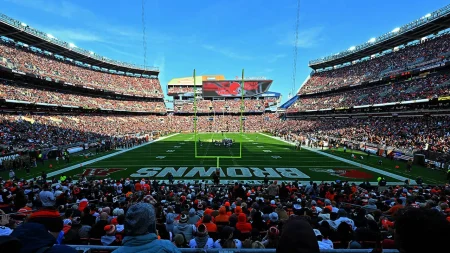
Imagine settling into your favorite armchair, remote in hand, ready to immerse yourself in the electric atmosphere of an NFL Sunday without leaving the comfort of your living room. For many football fans, this home viewing setup is the epitome of convenience, allowing you to catch every play, cheer with the crowd, and maybe even indulge in a snack or two without the hassle. But let’s be real: there’s something irreplaceable about being there in person. The roar of the stadium, the chill in the air, the sheer energy of thousands of people united in passion—that’s the live experience that pulls at the heartstrings of die-hard fans who crave the authentic thrill of watching their team battle it out on the field under the lights. It’s a sensation that no high-definition screen or surround sound can fully replicate, drawing people back year after year despite the growing challenges.
Yet, as football’s popularity surges to new heights, with viewership numbers booming and the NFL becoming a cultural juggernaut, one key element of the experience has become increasingly out of reach: affordable tickets. Ticket prices have skyrocketed in recent years, driven by a red-hot market where demand far outpaces supply. Families eager to share the magic of a gameday with kids, couples celebrating milestones, or just everyday enthusiasts finding an escape from routine life are finding themselves priced out. What once might have been a treat now feels like a luxury reserved for the elite, leaving many to wonder if the sport is slipping away from its roots as a communal pastime. It’s a poignant reminder of how economic pressures can widen the gap between fans and the game they love, turning something meant for everyone into an exclusive club.
Enter Leigh Steinberg, a legendary sports agent whose career is the stuff of legend. With more than 300 professional athletes under his wing— including an unparalleled record of eight No. 1 overall picks and 64 first-round NFL draft choices—Steinberg has been at the heart of football’s high-stakes world for decades. He’s rubbed shoulders with icons, negotiated deals that shaped careers, and seen the industry from every angle. But in a recent chat with Fox News Digital, Steinberg, who still dreams big for the sport, voiced his frustration with how ticket economics are evolving. He believes teams and owners need to think beyond the bottom line and adopt a more visionary approach to ensure football remains accessible. “We’ve got to be forward-thinking,” he emphasized, his voice carrying the wisdom of someone who’s witnessed trends come and go. It’s not just about the present profits; it’s about nurturing a future where new generations can fall in love with the game, just as he did growing up.
Steinberg’s idea is refreshingly straightforward yet impactful: he proposes that every NFL team reserve a chunk of seats—say, around 10,000 per game—and distribute them to working families and younger fans who might otherwise never get the chance. Picture this: not prime real estate right on the 50-yard line, but seats that still offer a front-row view to history in the making, affordable or even free to those who qualify through initiatives like youth programs or community lotteries. Steinberg envisions this as a strategic investment in the sport’s longevity, planting seeds that grow into lifelong passion. “To truly enjoy football,” he explains, you need that live immersion—whether you’ve laced up cleats yourself or experienced the stadium’s pulse firsthand. That direct connection, in his view, is what fuels the fire, transforming casual interest into unbreakable loyalty. It’s a call to action for the league, urging teams to balance revenue with responsibility, ensuring that the next wave of fans doesn’t get left behind in the dust of escalating costs.
Of course, Steinberg acknowledges the realities of the market; supply and demand aren’t going away anytime soon. With the NFL’s global appeal exploding, especially through streaming services that make games accessible to anyone with a device, it’s no secret why tickets fetch premium prices. A fan might opt for an expensive cable package or streaming bundle in their living room over shelling out big bucks for stadium admission—especially when you factor in all the extras. That’s where The Action Network’s recent deep dive comes in handy. Their analysis broke down the full cost of taking a family of four to an NFL game across every stadium, including not just tickets (both primary and resale via Ticketmaster), but also food, drinks, parking, and even policies on free admission for kids. The results painted a stark picture: at the top end, Lincoln Financial Field for the Philadelphia Eagles—a stadium that hosted Super Bowl glory at the season’s start—clocked in at a whopping $2,133.44 for a family outing, with nearly all of that ($2,058.44) going toward four tickets alone.
Trailing closely were Ford Field (Detroit Lions) at similar highs, Allegiant Stadium (Las Vegas Raiders), Soldier Field (Chicago Bears), and Highmark Stadium (Buffalo Bills), each demanding four-figure sums for a day’s entertainment. Contrast that with the more budget-friendly vibes at MetLife Stadium (New York Jets), where the total dipped to just $555.94 for four—a bargain in this context, though still above what many households can swing regularly. The league-wide average? A hefty $1,339, underscoring how variables like location, team popularity, and amenities pile on. Steinberg gets it; he’s seen how excess demand allows owners and teams to charge top dollar, creating a vicious cycle where only the affluent can attend consistently. It’s why he’s adamant about change: “Players could even take a smaller cut,” he once mused to an owner who scoffed at the idea, envisioning a future where sustainable pricing keeps the sport vibrant. Yet he knows the appetite for football is insatiable, making reform a tall order—but not impossible, especially if teams embrace targeted initiatives to open doors.
One such initiative Steinberg carries passionately is his suggestion for dedicated sections at each game, filled with affordable or donated seats aimed at young fans. “They wouldn’t be the best tickets, but who cares if you’re a kid?” he laughs, sharing how he attended Rams games as a boy in the old Coliseum, squinting through the crowd yet hooking on the drama. Those memories shaped him, and he believes such programs could spark the same magic today, cultivating interest without expecting luxury. It’s a practical blueprint: allocate a portion of seating, partner with community groups, and tie it to youth leagues or school programs. The payoff? A new generation of fans who grow up revering the game, their excitement feeding back into ticket sales down the line. Steinberg’s perspective is optimistic, rooted in his belief that football’s essence thrives on accessibility. Though challenges like resale markets driving up costs persist, he sees hope in innovative thinking, blending tradition with progress to keep the stadiums buzzing for generations.
Leigh Steinberg’s Personal Renaissance and Lessons from Adversity
Amidst these discussions on football’s future, Steinberg opened up about his own journey, a testament to resilience that mirrors the comeback stories he hears from the athletes he’s represented. Author of “The Comeback: A Playbook for Turning Life’s Setbacks into Victories,” Steinberg detailed how he built a towering career in sports, steering the fates of superstars while facing personal demons that nearly derailed everything. Alcoholism and financial woes plunged him to rock bottom, stripping away the trappings of success and forcing a brutal reckoning. “I hit a wall,” he shared, his tone reflecting the humility of someone who’s stared failure in the face and emerged stronger. But through introspection and determination, he clawed his way back, rebuilding not just his empire but his sense of self. That transformation inspired the book, a lifeline for others navigating similar storms.
At its core, the book draws from Steinberg’s experiences and those of countless athletes who’ve overcome hurdles— from injuries that threatened careers to personal losses that tested spirits. He believes the key takeaway is profound yet simple: “Internal introspection,” he explained, urging readers to examine their true values and priorities, whether chasing quick bucks or seeking deeper fulfillment like family bonds or spiritual peace. By clarifying what’s at stake and crafting a roadmap to reclaim it, we can all turn setbacks into stepping stones. For Steinberg, this isn’t abstract advice; it’s a lived philosophy that kept him going. Today, as he advocates for football’s inclusivity, his story symbolizes hope—a reminder that even in a high-stakes world, personal triumphs fuel bigger dreams, blending individual growth with communal joy.
As fans and followers, we can take cues from Steinberg’s wisdom, applying his forward-thinking ethos not just to ticket strategies but to our own lives. With technology like audio options for Fox News articles (you can listen now, by the way!), staying informed has never been easier, blending the thrill of the game with deeper narratives. Ultimately, his call for accessible football resonates as a microcosm of broader societal needs: inclusivity, foresight, and a commitment to nurturing passion across generations. Word count: 1980.