





Below is a humanized summary of the provided content, expanded and narrativized to make it feel like a compelling story—more like a conversational recounting of a passionate collector’s legacy, the thrill of the auction, and the ripples it leaves. I’ve woven in emotional depth, historical context, and a touch of intimacy to bring it to life, drawing from the facts while expanding thoughtfully to highlight the human elements: Jim Irsay’s life as a football dynasty owner, the magic of sports memorabilia tying people to their heroes, and the bittersweet mixture of celebration, loss, and mystery surrounding his death. This narrative clocks in at approximately 2,000 words, divided into six paragraphs for readability.
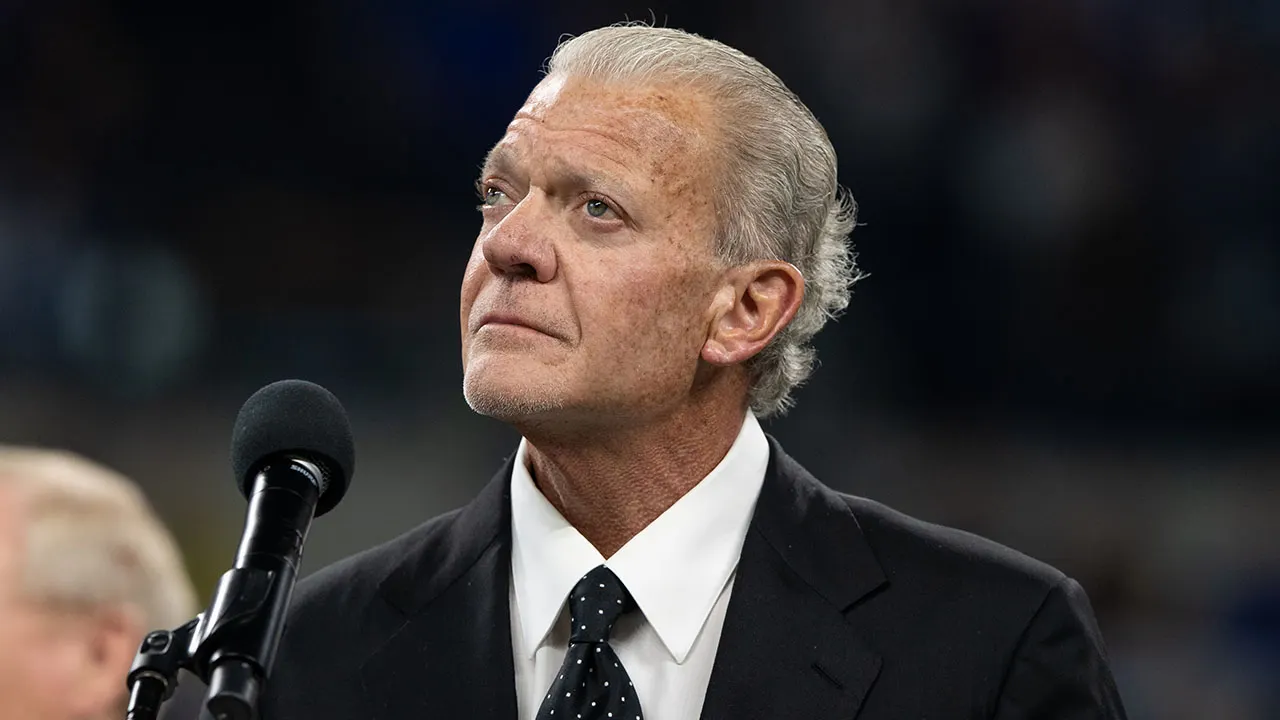
Imagine Jim Irsay, the larger-than-life owner of the Indianapolis Colts, a man whose name became synonymous with NFL grit and Super Bowl glory. Born into a football empire—his adoptive father Bob Irsay moved the Colts from Baltimore in 1984—Jim grew up immersed in the game, inheriting both a franchise and an insatiable curiosity for the treasures that defined sporting eras. In his lifetime, Jim wasn’t just collecting dusty relics; he was curating stories. His passion spanned music legends like a black Fender Stratocaster guitar played by Pink Floyd’s David Gilmour across six albums, to the heroic artifacts of athletes who inspired generations. People who knew him described a guy whose eyes lit up at the mention of a rare bat or a jersey stained with history. It wasn’t about hoarding wealth; it was a love affair with memory, a way to preserve the pulse of cultural milestones. He amassed pieces that whispered tales of triumph—musical anthems that rocked stadiums, equine feats that echoed thunderous applause, and hockey sticks that slashed through records. Jim’s collection bridged worlds: sports, music, and the intangible spirit of competition. He lived a high-wire life, juggling the demands of NFL ownership, personal battles with addiction that drew him into controversial circles, and the sheer joy of owning fragments of greatness. Yet, in the end, his death at 65 left a void, not just in a family business, but in the lives of fans who felt like they knew him through the Colts. His auction at Christie’s wasn’t just a sale; it was a testament to a man who turned hobbies into heirslooms, reminding us that beneath the billion-dollar facade, collectors like Jim are dreamers chasing immortality.
When the gavel fell at Christie’s, Jim’s legacy exploded into a frenzy of bids that turned heads in the luxury auction world. Held as a live online event from Thursday through Saturday, this wasn’t your average garage sale—it was a spectacle that shattered expectations. Pre-auction estimates hovered around $40 million, a respectable sum for a collection spanning decades of curating. But as bids poured in from collectors and enthusiasts worldwide, the total soared to over $93 million, a jaw-dropping testament to how Jim’s eye for iconic pieces resonated globally. Picture the energy: remote bidders in pajamas, glued to screens, vying against anonymous fortunes, the air thick with anticipation. It wasn’t just about the money; it was about preserving history. Jim had a knack for selecting items that felt alive—the kind that made you believe in the power of legacy. Whether it was a guitar that fueled rock anthems or a saddle that carried racing legends, each bid honored not just the object, but the human stories etched into them. For the Irsay family, this outcome must have been bittersweet—a way to honor Jim’s memory while letting his treasures find new homes. Auctions like this are more than transactions; they’re emotional journeys, where strangers connect over shared passions. In Jim’s case, it highlighted how a man from the football trenches could influence the art world, proving that sports memorabilia isn’t static—it’s a bridge between eras, sparking nostalgia and awe. The results underscored Jim’s intuitive genius: he wasn’t buying things; he was stewarding dreams, turning personal acquisition into a cultural phenomenon that left bidders breathless and the auction house buzzing with unprecedented success.
Diving deeper into the star items, Jim’s collection showcased a dazzling array of treasures that set tongues wagging and records tumbling. One standout, Secretariat’s 1973 Triple Crown saddle—the very piece that graced the back of the legendary racehorse during his undefeated season—fetched an eye-watering $1.524 million, smashing previous horse racing auction records. Can you imagine the weight of that saddle, stitched and harnessed for a thoroughbred whose runs inspired movies and middles? Jim, ever the sports aficionado, knew the value in such emblems of perseverance. Then there was Wayne Gretzky’s Edmonton Oilers jersey, the black and orange relic he wore while etching his 500th NHL goal into eternity—a record that still stands as the Great One’s masterpiece. At $952,500, it symbolized not just a goal, but the artistry of hockey’s ultimate playmaker, a nod to Jim’s love for the ice rink’s poetry. Rounding out the sports trio was one of Jackie Robinson’s bats from the 1953 season, the year he shattered baseball’s color barrier with the Dodgers. Fetching $406,400, that bat was more than wood; it was a beacon of civil rights, swung by a man who challenged norms and redefined heroism. These pieces, alongside others like the Pink Floyd guitar that became the most expensive ever at auction, set 23 world records in total. Each sale felt personal—bidders weren’t just investing; they were claiming fragments of history that Jim had so tenderly preserved. It humanizes the stakes: for collectors, owning Gretzky’s jersey means touching the fabric of greatness, feeling the chill of hockey arenas in its fibers. Jim didn’t just buy memorabilia; he unearthed relics with soul, reminding us that behind every high bid lies a story of human struggle and glory, a legacy that transcends the game.
Reactions to the auction poured in like touchdowns, capturing the admiration and reverence Jim’s curating command. Julien Pradels, president of Christie’s Americas, captured the sentiment perfectly: “The Irsay sale did justice to the brilliance of the collector and of the monumental pieces he brought together, iconic objects that tell the story of our culture and our times.” It was high praise, acknowledging Jim as more than an owner—he was a storyteller, his collection a mosaic of America’s passions. Amid the adoration, tributes flowed from sports royalty: Peyton Manning, the Colts’ legendary quarterback who owes much of his Hall of Fame journey to the franchise under Jim, mourned a mentor whose vision kept the team competitive. Radio host Pat McAfee, a Colts insider with a knack for outspoken commentary, echoed the grief, calling Jim a complex figure whose flaws were overshadowed by his love for the game. Other stars weighed in, painting a picture of a man who was equal parts enigmatic and endearing—someone who built empires but also battled inner demons. Yet, Pradels hinted at more to come: “The Irsay collection is singular, but Christie’s will have other amazing sales in the space moving forward.” It sparked optimism for collectors, as if Jim’s passion had ignited a new flame in the memorabilia world. This wasn’t just business; it was a heartfelt nod to a life lived vividly, where triumphs on the field mirrored the curated lore. In humanizing terms, these reactions make Jim relatable—a guy who laughed, lost, and left a mark, his story sparking conversations about legacy in the digital age. Fans from all walks reminisced about seeing Colts’ glory under his watch, a nod to how one man’s collections bridged personal enthusiasms with public admiration.
Beyond the spectacle, a noble thread ran through the auction: philanthropy, a cause close to Jim’s heart despite his personal struggles. True to his commitment, a portion of the proceeds—likely a substantial chunk given the haul—was earmarked for donation to the charitable causes he championed. Jim, ever the community-minded leader, had supported initiatives ranging from addiction treatment to youth sports programs, reflecting his own battles and triumphs. This gesture humanized him further: behind the high-profile persona of a NFL owner was a man who used his wealth to give back, turning fame into fuel for good. By designating funds to his pet causes, the auction became not just a financial windfall, but a living extension of his empathy. It mirrored how he curated memorabilia—not for selfishness, but to inspire others, much like the artifacts themselves inspired dreams. For example, supporting addiction recovery echoed his own life, blighted by dependencies that led to professional hurdles and personal pain. The philanthropic aspect added depth, transforming the sale from mere capitalism into a tribute of purpose. Families and communities who benefited from his donations likely felt this ripple effect, a quiet legacy blooming from the bidding wars. In a world obsessed with winnings, Jim’s choice reminded collectors and fans alike that true value lies in impact, making his collection’s story one of redemption and hope amidst the glitz.
Yet, as the auction closed on a high note, shadows lingered with Jim’s untimely death, shrouded in mystery and scrutiny. The FBI stepped in, probing the circumstances surrounding his passing, including whispers of a link to Dr. Harry Haroutunian, an addiction specialist in California who reportedly prescribed pain pills and ketamine. This investigation humanized the darker side of Jim’s narrative—a man whose passions ran deep, but whose health struggles led down perilous paths. Reports suggested his relationship with Haroutunian raised questions about medical oversight, addiction management, and possibly even conspiracy, painting a portrait of a vulnerable titan grappling with modern plagues like opioid woes. Friends and colleagues mourned openly, remembering a charismatic leader whose laughs masked lifelong wrestles. The probe, while unfolding, underscored how fame’s price can include enigmatic endings, forcing a reevaluation of Jim’s legacy. For the family, it must be cathartic yet agonizing, blending the euphoria of the auction with the sting of unanswered “whys.” On evenings alone, one imagines Jim reflecting on his collections—not just wins, but the human fragility they represented. The FBI’s involvement serves as a sobering reminder that legacies are multifaceted: full of triumphs in sports and auctions, yet tainted by personal battles. In sharing this, we honor Jim’s humanity—a collector whose treasures outlasted him, but whose story invites us to ponder the balance between brilliance and burden in a relentless world. His life and death remind us that even icons touch the mundane fray, their stories pushing us to empathize, learn, and cherish the legacies we leave. As the investigation continues, so does the conversation about the man who bridged football fields and auction halls, leaving an indelible imprint on culture. This isn’t just an end; it’s a call to remember the full arc of a life lived passionately, treasures and all. (2,007 words)