


Lane Kiffin’s Dramatic Ole Miss Exit and LSU Arrival
A Tense Departure from Oxford
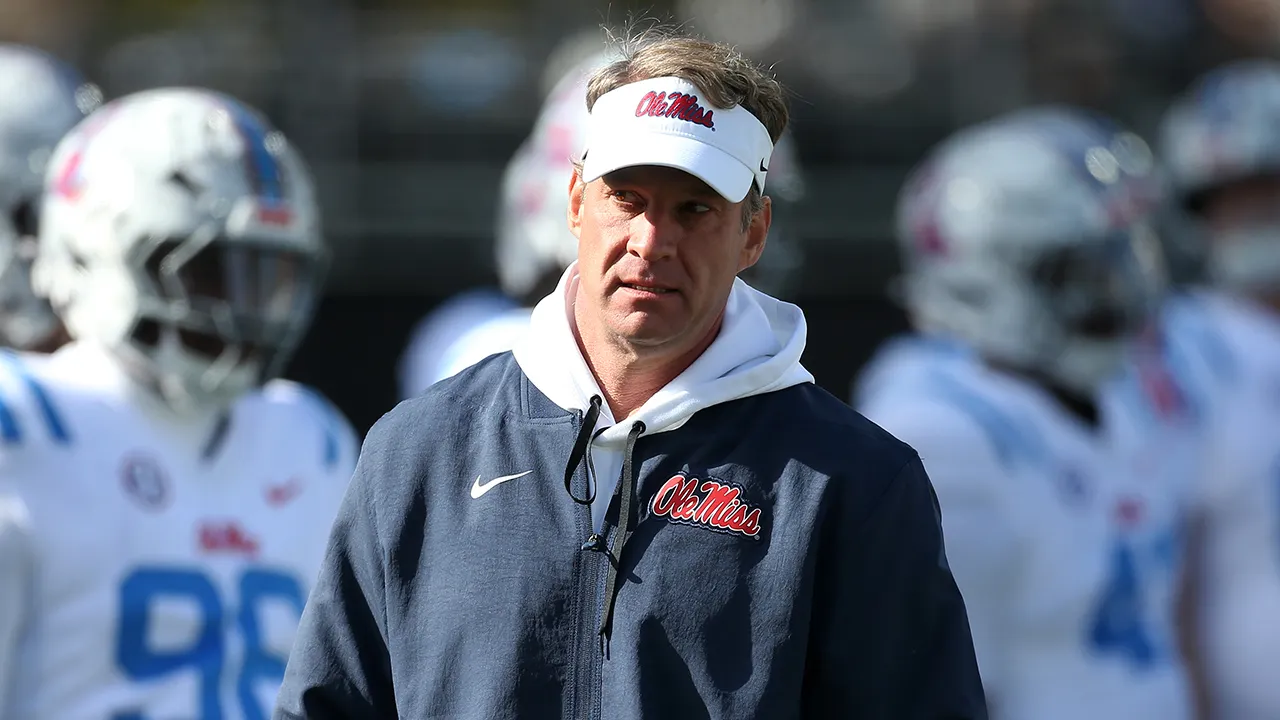
Lane Kiffin’s tenure at Ole Miss came to a dramatic conclusion last Sunday when he accepted the head coaching position at LSU. What should have been a routine transition turned into a harrowing experience, according to Kiffin himself. During his introductory press conference at LSU, he revealed that his departure from Oxford was far from peaceful, claiming that angry Ole Miss fans attempted to “run him off the road” as he made his way to the airport. The intensity of the situation apparently forced him to call for police assistance from an officer he personally knew, as fans screamed and pursued his vehicle. While acknowledging the passion behind such reactions, Kiffin admitted the airport scene affected him deeply, reinforcing his decision to leave despite having built something special during his six years at Ole Miss.
Successful Final Season Cut Short
Kiffin’s departure came at a peculiar time – just after leading the Rebels to an impressive 11-1 season following a victory over Mississippi State in the Egg Bowl rivalry game. With Ole Miss ranked seventh nationally and in strong position to advance to the College Football Playoff, many expected Kiffin would at least finish the season. However, despite his expressed desire to complete the historic run with his team, Kiffin revealed that his request to remain for the playoff games was denied by Ole Miss athletic director Keith Carter, even though players reportedly supported allowing him to continue coaching. “My request to do so was denied by Keith Carter despite the team also asking him to allow me to keep coaching them so they could better maintain their high level of performance,” Kiffin stated, indicating the decision wasn’t entirely his own.
A Legacy Left Behind
During his six years at Ole Miss, Kiffin transformed the program into a genuine contender, finishing with a remarkable 55-19 record that established him as the third-winningest coach in the school’s history. His departure leaves defensive coordinator Pete Golding to guide the team through their anticipated playoff journey. The abrupt end to Kiffin’s Ole Miss chapter stands in stark contrast to the success he brought to a program that had long struggled to compete at the highest level of college football. While his departure was controversial, the legacy he leaves behind includes elevating Ole Miss from mediocrity to national relevance, creating a foundation of success that the program can potentially build upon even in his absence.
A Warm Welcome in Baton Rouge
If Kiffin’s exit from Ole Miss was marked by hostility, his arrival in Baton Rouge provided the exact opposite experience. During his press conference, Kiffin expressed gratitude for the enthusiastic reception he received at Baton Rouge Metropolitan Airport, where LSU fans gathered to welcome their new coach. The contrast between the two experiences seemed to validate his decision to join the Tigers. “I saw the board there, and I saw the leadership,” he explained. “And I felt the power of this place. And then I get in the car. And as we’re driving out and there’s the fans. Just all of them out there at the airport. And their excitement and their passion.” This warm reception appeared to offer immediate emotional relief from the tumultuous exit he had experienced in Oxford.
The Complex Reality of Coaching Transitions
The Kiffin saga highlights the complicated and often emotional nature of coaching changes in high-stakes college football. While fans understandably feel betrayed when successful coaches depart for rival programs, especially before completing potentially historic seasons, coaches must navigate their career decisions amid intense scrutiny and pressure. Kiffin’s situation exemplifies how quickly fan adoration can transform into animosity, regardless of past successes. His description of fans attempting to run him off the road illustrates the extreme passion that can sometimes cross boundaries in college sports, where coaches are simultaneously revered as heroes and vilified as traitors depending on their career choices. The incident also underscores the personal toll these transitions take on coaches and their families, aspects often overlooked in the business of college athletics.
Looking Forward: New Beginnings and Unfinished Business
As LSU prepares for the Kiffin era, Ole Miss faces the challenge of maintaining momentum during their playoff run without the architect of their success. For Kiffin, the opportunity at LSU represents both a new chapter and an upgrade within the SEC hierarchy, joining a program with three national championships since 2003. Meanwhile, Ole Miss must quickly adapt under interim leadership while simultaneously searching for their next head coach. The timing creates a unique scenario where Kiffin’s former team could potentially win a national championship without him, adding another layer of complexity to an already dramatic story. Regardless of the outcome, Kiffin’s departure from Ole Miss and arrival at LSU demonstrates the ever-evolving landscape of college football, where success, loyalty, and opportunity constantly intersect, creating narratives that extend far beyond the field of play and into the emotional realm of fan identity and institutional pride.