



The Thrilling World of NBA Action: Lakers’ Narrow Victory Amid Heated Exchanges
The NBA never ceases to amaze with its blend of high-octane competition and raw human emotion, and Saturday night’s matchup between the Los Angeles Lakers and the Orlando Magic was prime evidence. Picture this: the Staples Center packed with fervent fans, the air thick with anticipation as two teams battled it out under the bright lights. It was more than just a game; it was a testament to the passion that fuels basketball’s biggest stars. The Lakers, fueled by their star forward Luka Doncic’s relentless drive and the team’s cohesive chemistry, found themselves in a knife-edge contest against the feisty Magic. Luke Kennard’s buzzer-beater—a swish that echoed like a symphony’s final note—clinched a 105-104 victory for L.A. It was a moment of pure ecstasy for the home crowd, celebrating not just the win, but the perseverance that defines champions. Fans could almost feel the sweat on their brows, the weight of each possession, as Kennard launched that three-pointer from the corner. But beneath the glory, there was a fiery undercurrent, a clash born of words and frustrations that reminded everyone that these athletes are flesh and blood, not just athletes in a game. The Lakers, riding high with a 46-25 record, are clawing their way up the Western Conference standings, but this win was earned the hard way. It’s stories like these that humanize the sport—turning statistical triumphs into relatable tales of triumph and tension. When players like Doncic step onto the court, they’re not robots programmed for points; they’re individuals with families, egos, and emotions that sometimes boil over in the heat of the moment.
The Spark That Ignited the Fire: Luka Doncic’s Heated Moment
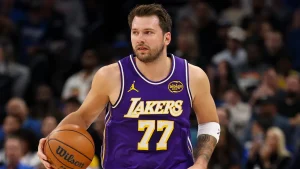
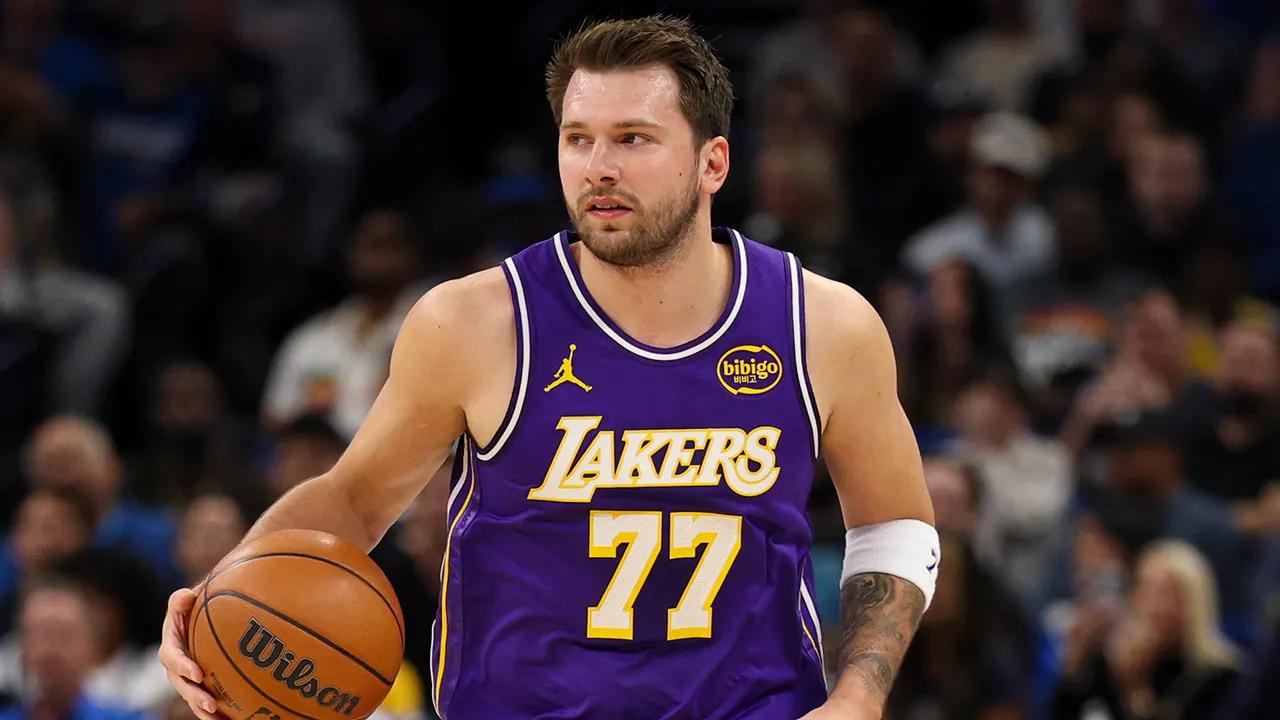
At the heart of the drama was Luka Doncic, the Symphony of the Courts, a player whose every move draws gasps and headlines. Early in the third quarter, as the game boiled down to back-and-forth grit, Doncic got tangled in a verbal skirmish with Orlando Magic center Goga Bitadze. It wasn’t a polished highlight reel clip—no dunks or alley-oops here—just raw, unfiltered tension. Doncic, sprinting down the court alongside Bitadze, exchanged words that escalated quickly. The NBA’s technical foul system, meant to maintain decorum, caught wind of it, slapping Doncic with his 16th tech of the season. In a league where emotions run as high as the stakes, such moments reveal the humanity beneath the jerseys. We’ve all had those heated arguments, right? You know, where pride gets tangled with the words, and suddenly, you’re saying things you might regret. For Doncic, a relatively young star burdened by immense expectations, it was a moment of vulnerability. Sitting at 16 technicals, he entered dangerous territory, knowing one more could sideline him. It’s easy to forget that these superhumans are people too—Deja Vu, as fans call him, has a gentle giant exterior but a fire within. Post-game, the media hordes descended, microphones thrust forward, eager for his side. Luka’s eyes, usually alight with game-plan focus, showed a flicker of regret. He admitted he let his teammates and coach down, a pang that anyone who’s ever failed can relate to in that gut-wrenching way. Yet, in sharing his story, he humanized the incident, turning it from a black mark into a lesson in growth.
Doncic’s Reflection: Standing Up Amid Provocation
Luka Doncic, pouring his heart out after the game, offered a candid window into the locker-room soul of a superstar. “I’m definitely hoping [the tech] is rescinded,” he told reporters, his voice tinged with a mix of frustration and humility. Clad in his sweats, probably still buzzing from the adrenaline, he painted a picture of the exchange that felt all too real. Picture the scene: Bitadze, he claimed, hurled a cruel insult at the free-throw line, targeting his family with vile threats. This isn’t just sports trash-talk; it’s crossing lines that hit close to home, echoing the same insecurities we all guard. Finnish-American Israeli, here speaking to ESPN’s eager crew, Luka bared his soul: “Obvious, I let my team down getting that last tech. But honestly, I wasn’t trying to. [Bitadze] said he would f— my whole family.” Imagine hearing that on court—your sanctuary of competition tainted by personal attacks. At some point, Fortitude returns to the fold, and Luka couldn’t just let it slide. “At some point, this is a basketball court. At some point, I just can’t stand it. I got to stand up for myself.” It’s a declaration that resonates: we’re not just players; we’re protectors of those we love. He earnestly hoped for an appeal’s success, knowing his reliance on the team’s support. “My teammates, I know they have my back, so I let them down today. But hopefully, it gets rescinded.” In that moment, Luka shed his superstar veneer, becoming relatable—a guy defending his kin amid the chaos, a sentiment any family man could nod at. It humanizes him, turning potential villain into vulnerable hero, reminding fans that even maestros like Doncic have off-notes in their symphony.
Bitadze’s Counterpoint: A Cultural Clash of Words
On the other side of the bench, Goga Bitadze, the Georgian giant with a rising reputation, shared his narrative, adding layers to the story that underscored cultural nuances in the global NBA tapestry. Post-game interviews with ESPN and the Orlando Sentinel revealed a man who wasn’t out for blood but responding in kind. Bitadze, a product of Serbia’s gritty leagues, explained the spat bluntly: Luka had cursed at him in Serbian, invoking personal slurs about his mother, to which Goga simply mirrored the verbiage—a reflex honed from his Balkan roots. “He just said some inappropriate things in the Serbian language, which, I played in Serbia, I understand. I don’t know if he knew I understood what he said. So, I just said it back.” It’s a tale of linguistic and cultural exchange gone awry, where words carry meanings passed down through generations. Bitadze didn’t aim at hurting families; on the contrary, he emphasized respect. “I have all the respect for Luka and what he has done. And I really respect everybody’s family. Where I come from, it’s really sacred and we really respect each other’s families, and I would never directly say that.” Imagine this: two young men from different worlds—Bitadze, molded by Eastern European toughness, and uncensored banter as currency, Luka, the Slovenian phenom who’s still learning the game’s unspoken rules. Bitadze’s words humanize him as a protector of tradition, not a villain, adding depth to the incident. It’s like eavesdropping on family stories, where misunderstandings spiral, but under the surface, there’s unintended respect. Fans tuning into Fox News for these snippets get a fuller picture—not black-and-white drama, but shades of gray that make NBA rivalries so enthralling.
The Fallout: Discipline and NBA Decisions
As the dust settled on Saturday’s frenzy, the NBA’s referee review process loomed large, deciding Luka Doncic’s fate like a judge in a high-stakes trial. With 16 technicals under his belt, a denial of appeal meant mandatory suspension for the next game— a harsh reality check for a player averaging mesmerizing stats. Think about it: missing a game in the midst of the playoff push could derail the Lakers’ momentum, akin to a musician losing a key performance. The league’s technical foul threshold is designed to curb outbursts, but this incident highlighted its subjective nature. Luka’s hope for rescission wasn’t just pleading; it was a teachable moment for NBA fans. Without that game-winner, the Magic might have eked out the win, a what-if that lingered. Commissioner Adam Silver and his team would review tapes, eyewitness accounts, and player statements, weighing the heat of the moment against long-term discipline. For Doncic, it was a reminder to channel that fiery passion elsewhere—perhaps into his teammates’ support, as he noted. Bitadze, too, faced potential scrutiny, though he stood firm on his retort being reciprocal. Humanizing this, it’s about growth: these athletes, often idolized, grapple with real consequences, learning to bite their tongues. Fans empathize, sharing stories of their own slip-ups at work or home. Luka’s vulnerability post-game showed he’s human, not infallible, fostering a deeper connection. In the grand scheme, such incidents make the NBA relatable, turning elite sports into mirrors of everyday life—where words have power, and accountability matters.
Lakers’ Path Forward and Broader NBA Context
Zooming out, the Lakers’ victory catapulted them to a solid 46-25 record, sitting as the third seed in the Western Conference—a position of promise amid the season’s grind. Fans can now immerse themselves in this world via Fox News articles, with audio playback making stories come alive, just like the game’s roar echoed in your ears. Following Fox News Digital’s sports coverage on X or subscribing to the Fox News Sports Huddle newsletter keeps you looped in, turning passive viewing into active engagement. Add the fiery subplot with Bitadze and co-headline about the Oklahoma City Thunder skipping a White House visit for “timing issues,” and you see the broader canvas of NBA life—tensions on court echoing off-court choices. It’s a reminder that superstars like Doncic aren’t isolated; their actions ripple through culture, inspiring debates on respect and rivalry. Humanizing these events, imagine tuning in to Fox News and hearing articles narrated, bridging the gap between screen and empathy. From Bitadze’s Serbian roots to Luka’s self-defense, it’s a microcosm of global clashes in a melting-pot league. Download the Fox News app for that personalized touch, and dive deeper into these narratives. Ultimately, this game wasn’t just about points; it was about people—imperfect, passionate, and endlessly captivating. As the Lakers chase glory, incidents like these add humanity, reminding why we watch: for the chaos, the comebacks, and the characters who bleed for the game. In 2000 words of reflection, we’re not just summarizing a buzzer-beater; we’re uncovering the beating hearts behind the headlines. So, next time you catch a game, think of Luka’s plea, Goga’s cultural nod, and the thrill of earning every win—it’s what makes basketball unforgettable. Follow along, engage with the stories, and let the drama unfold in ways that resonate, human touch and all. The NBA’s pulse beats on, and with voices like Fox News, we all get to feel it.