

The Game-Changing Ruling in Tuscaloosa
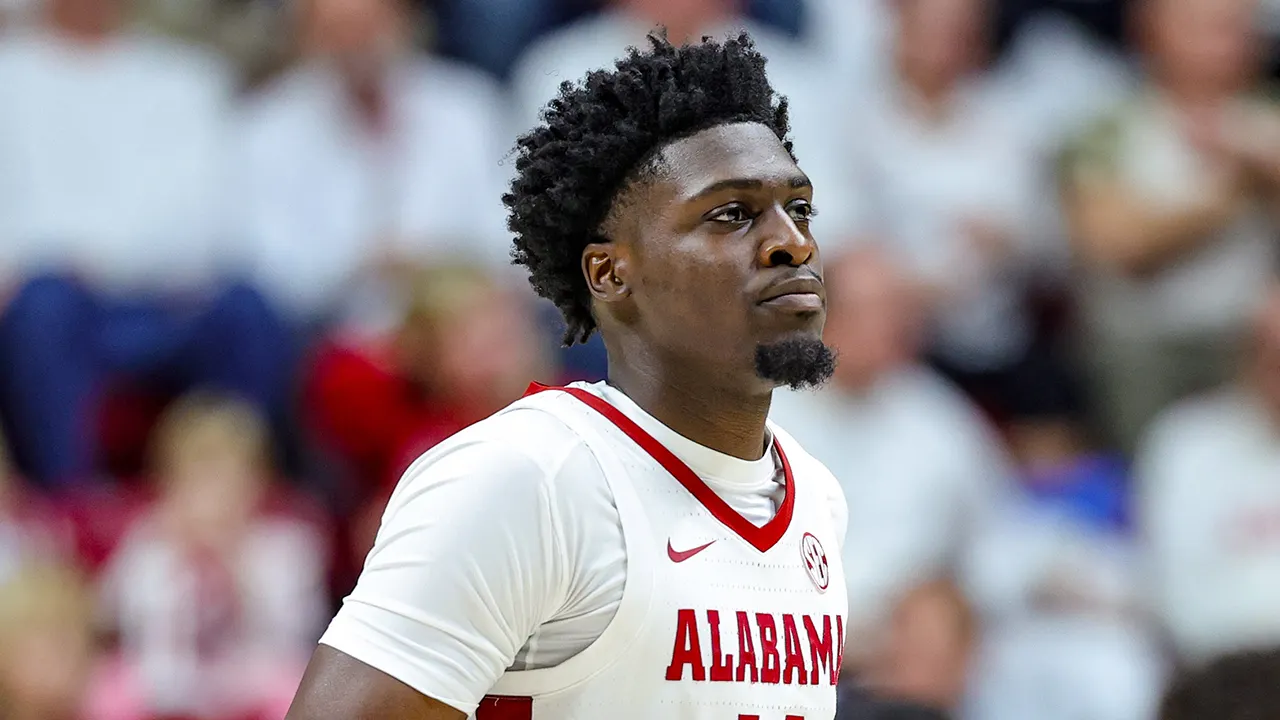
It was a chilly Monday in Tuscaloosa, Alabama, when a judge handed down a decision that sent shockwaves through the world of college athletics. Charles Bediako, a towering 7-foot center who had once dazzled fans as a member of the Alabama Crimson Tide basketball team, was barred from continuing his season. After five games back in the crimson uniform, his comeback was officially over. The judge denied Bediako’s request for a temporary fix—a preliminary injunction that would have let him stay on the court despite having dipped his toes into the professional waters of the NBA Draft. This wasn’t just about one player; it raised eyebrows about the very rules governing NCAA eligibility, sparking debates across fan bases and Twitter feeds. Imagine a young man, driven by passion, declaring for the big leagues only to realize the grass—er, hardwood—wasn’t greener on the other side. Bediako went undrafted, bounced around the G League, and longed to step back into the familiar rhythm of college ball. But the system said no, echoing a broader tension in sports where dreams clash with regulations. As AL.com’s Nick Kelly reported, this was a blow not just to Bediako, but to countless high schoolers eyeing that same path. Football season might get the headlines, but this basketball battle felt personal, like a family feud turned into a courtroom drama.
In the aftermath, reactions poured in like a fast break play. NCAA President Charlie Baker called it “common sense winning the day,” emphasizing that college sports are meant for students, not professionals hitting the undo button on their careers. It’s easy to picture Baker standing firm, thinking of the teenagers whose futures hang in the balance. After all, why play the game if you can go pro and then opt back in, potentially snatching spots from kids fresh out of high school? Baker’s statement dug deeper, pointing fingers at “the national mess of state laws” and urging Congress to step in for some stability. For fans, it felt like watching a referee call a questionable foul in a tied game—frustrating for some, a victory for others. But this win for the NCAA was bittersweet; it highlighted how fractured the landscape had become. Players like Bediako were pushing boundaries, but the ripple effects touched recruiting coaches, eager agents, and families pinning hopes on scholarships. In a world where billion-dollar television deals fund these programs, ensuring fairness isn’t just ideal—it’s essential. Yet, as Baker noted, one court ruling doesn’t erase the chaos, leaving coaches and administrators scrambling for clarity in what feels like an endless negotiation.
Delving into Bediako’s story makes you root for the underdog. Picture this: During the 2022-23 season, he was the linchpin for Alabama, dishing assists and blocking shots with that rookie energy. Then came the draft—exciting, nerve-wracking, a gamble with lifelong stakes. Undrafted, he drifted into the G League, playing for the Motor City Cruise this very season. But the pull of college was strong; maybe it was the cheers of Bryant-Denny Stadium or the brotherhood of the team. He sued the NCAA, arguing his right to return, and in January, a judge briefly sided with him, issuing a restraining order that let him suit up temporarily. It was a window reopened, but the court ultimately slammed it shut. Bediako isn’t alone in this narrative; others have tried navigating this blurred line between amateur and pro. Think of it like boomeranging back to your old job after trying a new one—it works sometimes, but not without drama. His legal battle wasn’t about bending rules for fame; it was about second chances, a theme that resonates in human stories everywhere.
While Bediako’s saga unfolded, similar tales were playing out across campuses. Remember James Nnaji? That 2023 Draft pick who went unnoticed without NBA minutes but chose to pivot to Baylor, becoming the first former draftee cleared to play college ball. It sparked a mini-wave: G League vets Thierry Darlan and London Johnson eyeing Santa Clara and Louisville for next season. These players aren’t villains; they’re part of a shifting puzzle. For the average fan, it raises questions about fairness. Is college ball a stepping stone or a destination? Imagine a high school prodigy watching these veterans dominate, wondering if their spot in the lineup comes with an asterisk. Alabama’s complaints echoed loud—they’d invested in Bediako, so why deny him when others got a pass? SEC Commissioner Greg Sankey weighed in through an affidavit, defending eligibility rules as pillars of integrity and education. His words painted a picture of college sports as more than entertainment: opportunities for growth, for families lifting themselves up. Yet inconsistency breeds frustration, turning what should be joyful rivalries into tense standoffs.
Enter the coaches, the real characters in this unfolding drama. Alabama’s Nate Oats stood by his player like a true mentor. “Charles has done nothing wrong,” he declared to The Athletic, pledging to keep Bediako on scholarship even if sidelined. It’s that loyalty that makes Oats a fan favorite—firm, fatherly, protective. Compare that to John Calipari’s fiery tirade in a December monologue that clocked nearly seven minutes. The Arkansas coach railed against the system, questioning what it means for young American kids. “If you put your name in the draft,” he thundered, making a case for ironclad rules regardless of nationality. His passion stemmed from decades of mentoring teenagers, helping families transform lives through college. Calipari’s rant wasn’t just venting; it was a wake-up call, painting a vivid scene of 17-year-olds losing faith in the dream. Why recruit high schoolers when NBA washouts offer instant star power? Yet, it’s this very tension that fuels the sport’s heart—at 28, a player might bring experience, but a kid brings raw potential and that undefinable glow of youth. Coaches like Calipari and Oats represent the soul of college ball, torn between innovation and tradition.
In the end, Alabama released a thoughtful statement after the ruling, acknowledging the “havoc” of inconsistent decisions by the NCAA. Over 100 men’s basketball players with pro experience have been waved in, creating a patchwork that sows confusion. “Granting eligibility to some former professionals and not to others is what creates the havoc,” their press release read, urging consistency. It’s a nod to reality: the NCAA’s byzantine bylaws often feel out of sync with a changing world. Bediako’s stint? Alabama went 3-2 with him, a decent run but a reminder of what could have been. As fans, we tune in for the drama—the dunks, the decisions, the debates. But beneath it all, stories like Bediako’s remind us that sports aren’t just games; they’re about human resilience, dreams deferred, and the fight for a fair shot. Whether Congress intervenes or not, the conversation will continue, echoing in gyms where the next generation laces up their sneakers. And hey, in this digital age, you can even listen to Fox News articles—because who says sports sound boring?