



NCAA Rule Controversy Sparks Debate in College Basketball
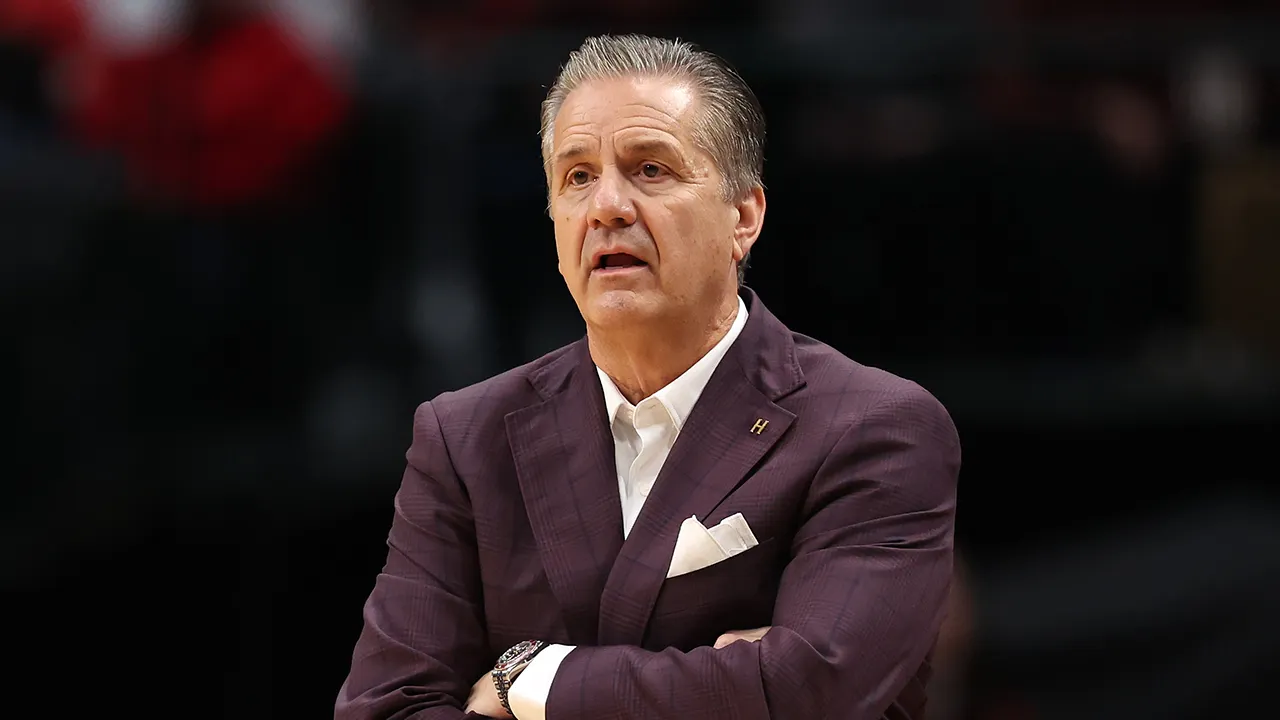
In an unprecedented move that has sent shockwaves through the college basketball community, the NCAA recently permitted James Nnaji, a 2023 NBA Draft pick, to join Baylor University’s basketball program mid-season. This decision has ignited fierce debate among coaches, administrators, and fans about the direction of collegiate athletics and the consistency of NCAA regulations. Among the most vocal critics is Arkansas head coach John Calipari, who spent nearly seven minutes during a post-game press conference expressing his concerns about what this precedent might mean for the future of college basketball. The former Kentucky championship-winning coach didn’t hold back, questioning why different standards seem to apply to international players versus American athletes when it comes to draft eligibility and collegiate participation.
The Nnaji situation appears to be just the beginning of what could become a troubling trend for college basketball traditionalists. Reports indicate that Trentyn Flowers, currently on a two-way contract with the Chicago Bulls after going undrafted in 2024, is drawing interest from the Michigan Wolverines despite having bypassed college to play professionally in Australia’s National Basketball League. If Flowers is permitted to join a college program mid-season, it could potentially open floodgates for fringe NBA players seeking to restart their careers through the collegiate system. This possibility raises serious questions about competitive balance, the purpose of college athletics, and whether the NCAA is creating a double standard between domestic and international players.
Calipari’s passionate critique centered on what these developments might mean for young American players. “Does anybody care what this is doing for 17-and 18-year-old American kids?” Calipari asked during his monologue. “Do you know what this opportunity has done for them and their families? There aren’t gonna be any high school kids. Who, other than dumb people like me, are gonna recruit high school kids?” The coach expressed concern that if college programs can simply recruit professional players, G-League participants, or older international athletes with potentially unverified academic credentials, it fundamentally changes the developmental nature of college basketball and diminishes opportunities for high school recruits seeking to advance through the traditional system.
The coach’s frustration extends beyond just who can play college basketball to when they can join teams. Calipari emphatically stated that the NCAA must stop allowing players to join programs mid-season, suggesting this practice disrupts team chemistry and competitive integrity. While acknowledging that some might view his position as self-serving, Calipari insisted that clearer, more consistent rules would benefit the game as a whole. He noted that these changes could be implemented without requiring congressional intervention, adding, “We can do it without having Congress and the Senate getting 60 votes. We can do that. Let them sue us on that stuff.” This statement reflects growing impatience with the NCAA’s governance approach and suggests that coaches and administrators might be reaching a breaking point.
The controversy comes at a time of significant flux in college athletics, with the transfer portal, name, image, and likeness (NIL) deals, and changing eligibility rules already transforming how programs operate. For years, college basketball has struggled with finding the right balance between maintaining its amateur tradition while acknowledging the commercial and professional realities of modern sports. The Nnaji case represents yet another frontier in this ongoing tension, raising fundamental questions about what college basketball should be in the twenty-first century. Is it primarily a developmental league for young athletes pursuing education alongside athletic growth? Or is it evolving into a more professionalized system where competitive success trumps developmental priorities?
As the debate continues, Calipari’s Razorbacks sit at No. 18 in the AP Top 25 with a 10-3 record, demonstrating that traditional recruitment and development approaches can still yield competitive success. However, the larger questions about the direction of college basketball remain unresolved. The coming months will likely see continued discussion about appropriate eligibility rules, mid-season additions, and the balance between providing opportunities for young American athletes versus creating a more globally inclusive system. What’s clear is that the NCAA stands at a crossroads, and decisions made now about cases like Nnaji and potentially Flowers will shape the landscape of college basketball for years to come, potentially transforming a system that has traditionally served as a crucial developmental pathway for young American athletes into something quite different.