





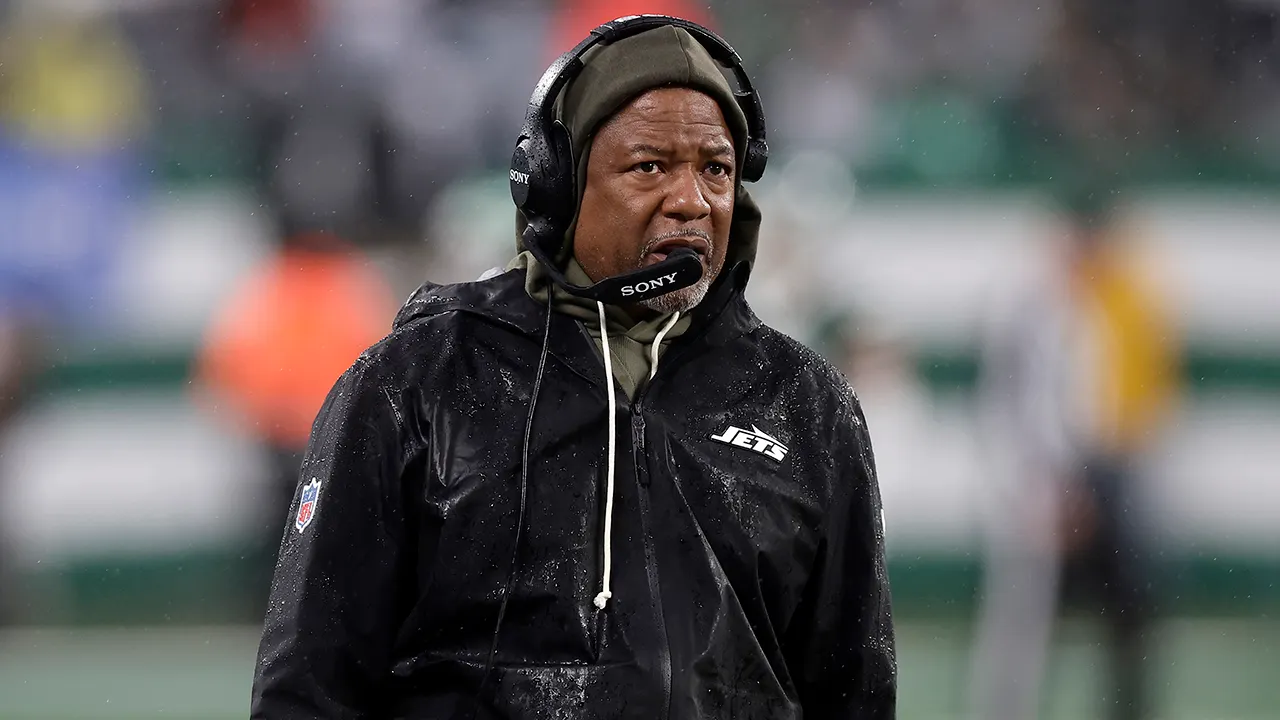
Jets Fire Defensive Coordinator Steve Wilks Amid Struggling Season
In a decisive move following a crushing 48-point defeat to the Jacksonville Jaguars, the New York Jets have parted ways with defensive coordinator Steve Wilks with just three games left in the 2025 season. First-year head coach Aaron Glenn made the announcement on Monday, despite previously expressing confidence in Wilks’ defensive scheme. The decision comes as the Jets’ defense has become one of the league’s worst, allowing an alarming 28.4 points per game. Defensive backs coach and passing game coordinator Chris Harris will step up to fill Wilks’ role for the remainder of the season. “I felt like it was the best decision for the organization at this time,” Glenn explained at the press conference. “I’ve said this all along. I’m evaluating players. I’m evaluating coaches. I’m evaluating myself. I just felt like this was the best decision right now for the team and for this organization.”
This dismissal marks another chapter in what has been a tumultuous career journey for Wilks in recent years. Since leaving the Carolina Panthers after a five-year stint from 2012-2017, Wilks has struggled to find stability, never staying with a team for more than a single season. His brief tenure as the Arizona Cardinals’ head coach in 2018 ended with a disappointing 3-13 record. He then joined the Cleveland Browns as defensive coordinator in 2019, but again lasted just one season. After a year away from the NFL in 2020, he worked at Missouri, returned briefly to Carolina in 2022, and then joined the San Francisco 49ers’ Super Bowl run last year as their defensive coordinator. Surprisingly, the 49ers moved on after just one season, leaving Wilks temporarily without a coaching position in 2024 before he joined the Jets – only to be dismissed before completing a full season once again.
The Jets’ decision to fire Wilks reflects the dire state of a team that has now been eliminated from playoff contention for the 15th consecutive season – the longest active postseason drought in professional sports. With a dismal 3-11 record, the organization has shifted its focus to evaluation mode, assessing every player and coach for future planning. The defensive struggles have been particularly glaring, with the team on pace to allow the second-most points in franchise history. The midseason trades of defensive stars Quinnen Williams to the Dallas Cowboys and Sauce Gardner to the Indianapolis Colts before the NFL trade deadline certainly didn’t help matters, but the performance issues extend beyond personnel changes. Perhaps most alarming is the Jets’ inability to generate turnovers – they’ve managed just two takeaways all season and haven’t recorded a single interception through 14 games, tying an unwanted NFL record for futility.
The Jacksonville game highlighted just how porous the Jets’ defense has become under Wilks’ leadership. The Jaguars scored on eight of their first nine possessions, effectively moving the ball at will against a defense that seemed incapable of making adjustments or generating stops. “I just thought that from last week going to this week that the improvement wasn’t there,” Glenn noted in his explanation of the firing. “I thought it was time to make a change. I want to see consistent improvement.” This statement reveals the coaching staff’s frustration with the lack of progress despite having multiple opportunities to correct course throughout the season. The decision, while difficult, reflects the organization’s unwillingness to continue with a defensive approach that has proven ineffective week after week.
Looking ahead, the Jets face a challenging final stretch that begins with the New Orleans Saints this Sunday. While the Saints hold a similarly disappointing 4-10 record, they’ve shown signs of life with recent victories over the Tampa Bay Buccaneers and Carolina Panthers. This matchup presents an opportunity for Chris Harris to implement changes to the struggling defensive unit and potentially demonstrate his capabilities as a coordinator. The remaining games against the New England Patriots and Buffalo Bills – both competing for the AFC East title – give the Jets a chance to play spoiler while evaluating talent for next season. These divisional contests will provide valuable information about which players might factor into the team’s future plans.
The decision to fire Wilks represents more than just a reaction to a poor performance; it signals the beginning of what will likely be substantial changes throughout the organization. With the playoffs out of reach for another year, the Jets must use these final games to build momentum and establish a foundation for 2026. For interim coordinator Chris Harris, this three-game audition could prove vital to his career trajectory, while for many players, these remaining contests represent opportunities to secure their futures with the team. The Jets’ defensive woes – particularly their inability to create turnovers – must be addressed if they hope to compete in the coming seasons. As the organization continues its comprehensive evaluation process, fans can only hope that these difficult decisions will eventually lead to breaking the franchise’s prolonged cycle of disappointment and finally ending their record-setting playoff drought.