


The Emotional Transition: Matt Campbell’s Move from Iowa State to Penn State
Iowa State Athletic Director Jamie Pollard delivered a heartfelt and emotional address to reporters on Friday regarding Matt Campbell’s departure to become Penn State’s new head coach. Fighting back tears, Pollard expressed his sadness but demonstrated remarkable understanding and gratitude for Campbell’s contributions. “You’re sad. But, you know what, I get it,” Pollard said, acknowledging the sacrifices that coaches make which fans rarely see. His emotional response highlighted the deep personal connections formed in college athletics, beyond the business aspects of coaching changes. Despite the loss, Pollard maintained perspective, emphasizing that “Matt Campbell owes Iowa State nothing because he did more than we could’ve ever, ever dreamed he would do as our head coach.”
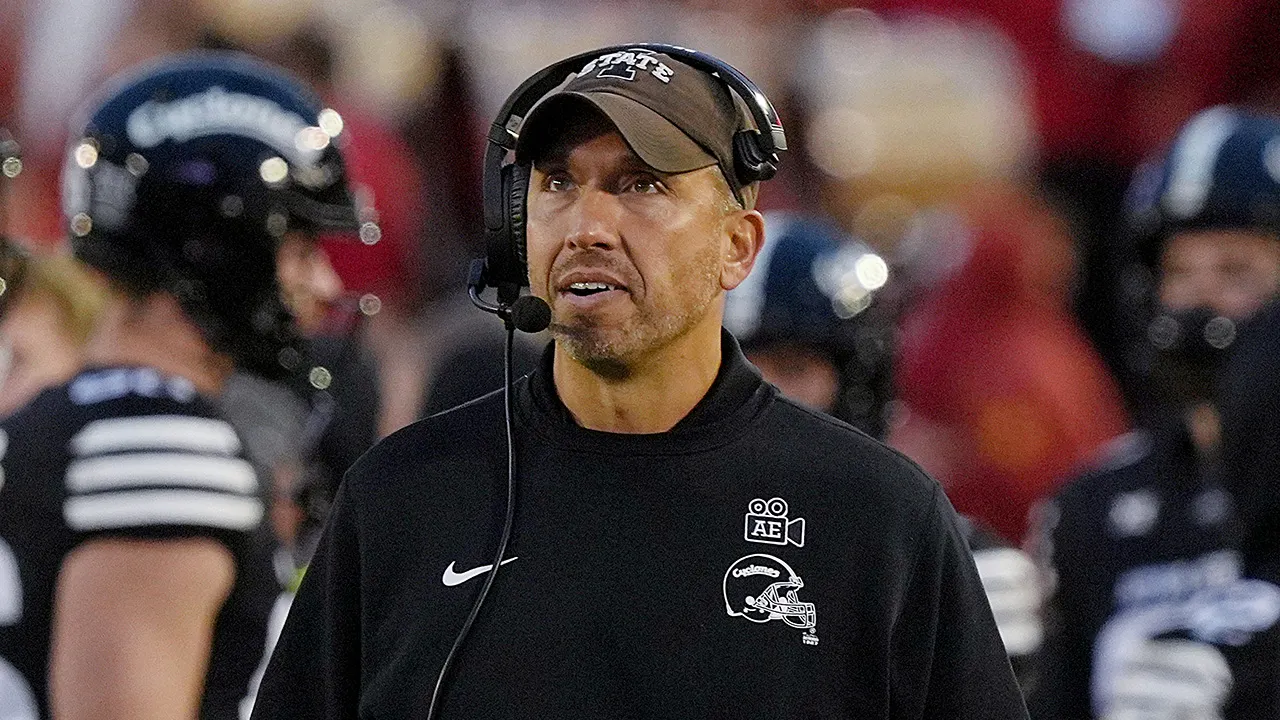
Campbell’s decade-long tenure at Iowa State represents one of the most successful periods in the program’s history. As the winningest coach in Cyclones history, the 46-year-old compiled an impressive 72-55 record over ten seasons, transforming what had long been considered a challenging coaching position into a consistently competitive program. His impact extended beyond mere wins and losses, as he guided Iowa State to eight winning seasons and two Big 12 championship game appearances. Campbell’s remarkable ability to build a sustainable program in Ames earned him three Big 12 Coach of the Year honors and established him as one of college football’s most respected program builders. This consistent success, particularly at a school not historically known for football dominance, made him an attractive candidate for larger programs.
Penn State’s decision to hire Campbell represents a significant shift for both institutions. For the Nittany Lions, Campbell arrives nearly two months after the program parted ways with James Franklin, signaling the university’s desire for new leadership to elevate the program to championship contention. Campbell brings not only his Iowa State success but also his previous experience at Toledo, where he compiled a 35-15 record over five seasons. This consistent track record of building competitive programs at different levels makes him an intriguing hire for Penn State, a program with higher expectations and greater resources than his previous positions. The hire remains pending board approval on Monday, but appears set to mark a new chapter for one of college football’s traditional powers.
For Iowa State, Campbell’s departure creates both challenges and opportunities as they navigate a coaching transition. Pollard’s philosophical approach – “the sun will come up in the east, like it does every morning, and we’ll go on” – reflects the reality of college athletics, where change is inevitable despite strong personal connections. The Cyclones find themselves at a crossroads, needing to identify a successor who can build upon the foundation Campbell established while potentially bringing fresh energy and ideas. The program sits in a much stronger position than when Campbell arrived a decade ago, with improved facilities, enhanced national visibility, and heightened expectations. How Iowa State responds to this transition will significantly impact their trajectory in an increasingly competitive college football landscape.
What stands out most in this transition is the mature, gracious approach exhibited by Pollard in addressing Campbell’s departure. Rather than expressing bitterness or disappointment, the athletic director chose to celebrate Campbell’s contributions while acknowledging the personal factors that influence coaching decisions. “He had other times he could have left, and he chose not to,” Pollard noted, recognizing Campbell’s previous loyalty to Iowa State when other opportunities arose. This perspective highlights the complex human elements of coaching changes, where career advancement, family considerations, and new challenges often drive decisions. Pollard’s response serves as a model for handling difficult transitions in college athletics, focusing on gratitude rather than grievance.
The Campbell hiring also reflects the evolving landscape of college football, where successful coaches at mid-tier programs increasingly become targets for traditional powers seeking revitalization. For Campbell, the move to Penn State represents a significant step up in terms of resources, recruiting potential, and national championship expectations. For Penn State, hiring a proven program builder signals their commitment to competing at the highest level of college football. Meanwhile, Iowa State must navigate the challenges of maintaining momentum while searching for new leadership. As both programs enter this period of transition, the human element – highlighted by Pollard’s emotional press conference – serves as a reminder that beneath the business decisions and career moves are real people making difficult choices based on professional aspirations, family considerations, and personal growth opportunities. This humanity, often overlooked in discussions of coaching changes, remains central to understanding the full context of these significant institutional shifts.