






The Olympic Stand-Off: Indonesia and Israel at an Impasse
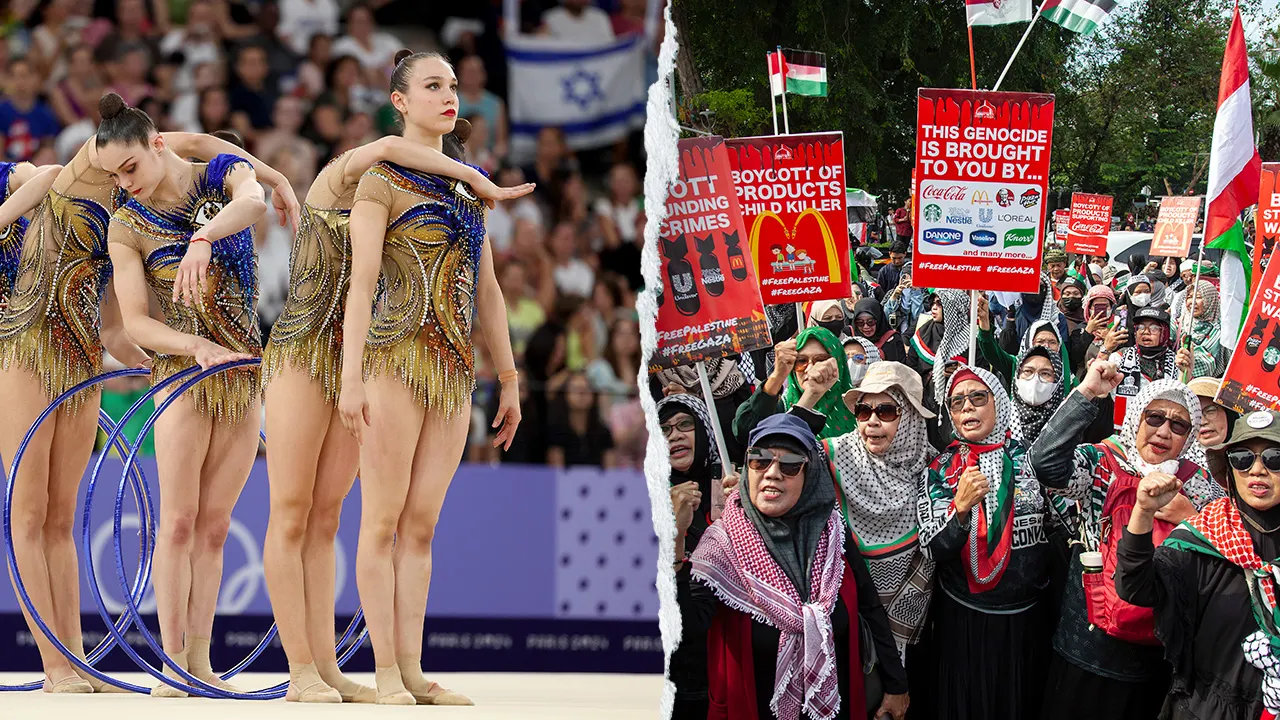
The International Olympic Committee (IOC) has found itself mediating a contentious situation between Indonesia and Israel following an October incident where Israeli gymnasts were barred from entering Indonesia for the World Championships. According to a recent statement provided to Fox News Digital, the IOC confirmed that despite multiple discussions with World Gymnastics and the Indonesian National Olympic Committee, the Indonesian government has failed to provide any of the guarantees requested by the Olympic governing body. This lack of cooperation has created a significant rift between Indonesia and the international sporting community, with potential long-term consequences for Indonesia’s role in global athletics.
In the aftermath of the October incident, the IOC took swift and decisive action, condemning Indonesia’s denial of visas to Israeli athletes as a direct violation of the Olympic Charter. The committee immediately halted all discussions about Indonesia potentially hosting future Olympic events and advised international sports organizations to avoid scheduling major competitions in the country. “These actions deprive athletes of their right to compete peacefully and prevent the Olympic movement from showing the power of sport,” the IOC executive board stated, emphasizing its commitment to non-discrimination, autonomy, and political neutrality within the Olympic movement. The IOC’s position reflects the fundamental principle that all eligible athletes must be permitted to participate in international competitions regardless of nationality—a cornerstone of Olympic values that Indonesia’s actions directly challenged.
The Indonesian government defended its decision by citing safety concerns, claiming that allowing the Israeli team to compete would pose security risks not only to the Israeli athletes but to all participants. However, this explanation was met with skepticism from the Israeli team, who noted that their own security authorities had conducted an assessment and determined Indonesia was safe for their athletes. “We received authorization from the Israeli Security Authorities to participate in the World Championship subject to the necessary security protocols in place. From our side, all preparations were complete,” the Israel Gymnastics Federation told Fox News Digital. This discrepancy between Indonesia’s stated concerns and Israel’s security assessment raises questions about whether the visa denial was genuinely motivated by security considerations or if other factors were at play.
For the affected Israeli athletes, the situation was both confusing and deeply disappointing. Men’s gymnast Eyal Indig described his team’s bewilderment at Indonesia’s justification, noting that Israeli security personnel had conducted an on-site security assessment in Indonesia just a week before their planned departure and had cleared them to travel. “For us, it was very strange… we had full authorization from Israel’s security team, and you can believe me that they wouldn’t authorize anything that wasn’t safe,” Indig explained to Fox News Digital, characterizing the incident as “a blatant incident of discrimination on the basis of nationality.” Women’s gymnast Lihie Raz shared similar sentiments, expressing disappointment and frustration at seeing politics intrude into what should be a politically neutral domain: “For us, sports is a place that is free of politics.” Their accounts highlight the personal impact of these diplomatic tensions on individual athletes who had trained extensively for this competition.
Indonesian Minister of Sport Erick Thohir stood by his country’s decision, stating in late October that Indonesia adheres to “the principle of maintaining security, public order and the public interest in hosting every international event.” However, this is not the first time Indonesia has prevented Israeli athletes from competing on its soil. The country was previously stripped of its right to host the under-20 World Cup when the governor of Bali refused to host Team Israel for a match. This pattern suggests that the issues between Indonesia and Israel in the sporting arena may transcend simple security concerns and reflect broader geopolitical tensions, despite the Olympic movement’s ideal of separating sports from politics.
The ongoing standoff between Indonesia, Israel, and the IOC exemplifies the challenges of maintaining the Olympic principle that sports should transcend political differences and serve as a unifying force. As the IOC awaits the guarantees it has requested from the Indonesian government, the situation remains unresolved. The consequences for Indonesia could be significant, potentially limiting its role in international sports for years to come. Meanwhile, Israeli athletes continue to face the reality that their participation in global competitions can be jeopardized by political considerations beyond their control. This controversy serves as a reminder that despite the Olympic movement’s lofty ideals, the intersection of sports and geopolitics remains a complex and often contentious terrain, where athletic competition can become entangled with diplomatic disputes and regional tensions.