




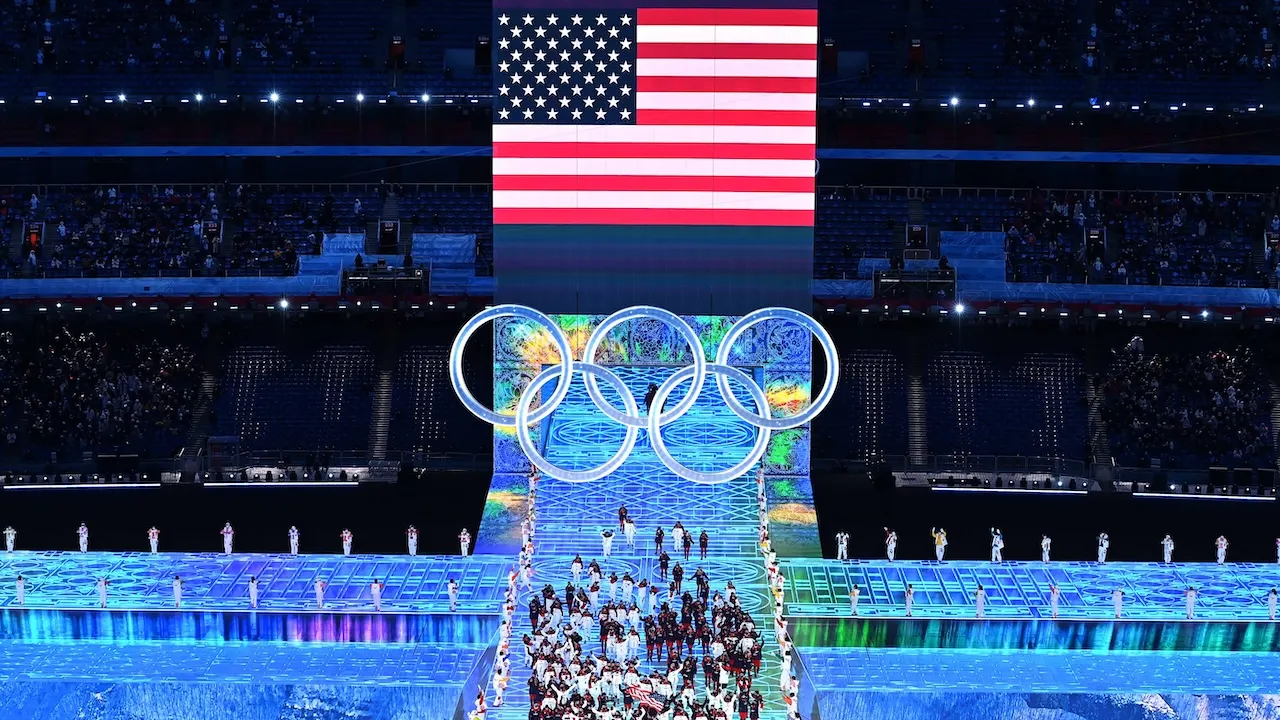
IOC Rejects Calls to Ban U.S. from Winter Olympics Despite Venezuela Intervention
In a decisive response to growing international pressure, the International Olympic Committee (IOC) has firmly declined to exclude the United States and its athletes from the upcoming Winter Olympics, despite recent military actions in Venezuela. This decision highlights the complex balance the IOC maintains between global politics and the ideals of international sport.
The IOC emphasized its role as a global organization that must navigate complicated geopolitical realities while preserving the fundamental Olympic mission. “The ability to bring athletes together, no matter where they come from, is fundamental to the future of values-based, truly global sport, which can give hope to the world,” the committee stated in its response to the BBC. The committee further clarified its position by explaining that it “cannot involve itself directly in political matters or conflicts between countries, as these fall outside our remit. This is the realm of politics.” This statement reflects the IOC’s ongoing effort to maintain neutrality in international conflicts, even as it faces pressure to take sides in contentious geopolitical situations.
The contrast between the IOC’s handling of the U.S. situation and its approach to Russia has drawn significant attention from the international community. Russian athletes currently remain banned from Olympic competition following their country’s 2022 invasion of Ukraine—an action that took place just four days after the Beijing Winter Olympics concluded. The IOC justified this different treatment by noting that Russia’s actions violated the Olympic Truce clause in the IOC charter, and that Russia had additionally placed Ukrainian athletes under the control of the Russian Olympic Committee. The U.S. intervention in Venezuela, which led to the capture of dictator Nicolás Maduro and the toppling of his regime, violated no such Olympic principles and has received considerable support from many international stakeholders. This intervention followed months of American operations targeting alleged drug traffickers in Latin American waters, part of the Trump administration’s broader strategy to reduce drug flows into the United States.
The Venezuela situation is not the only case where the IOC has faced calls to exclude nations based on their political actions. Similar demands were made to ban Israel from Olympic competition due to the ongoing Gaza conflict. As with the U.S., the IOC declined these requests, explaining that Israel’s national Olympic committee had remained in compliance with the Olympic Charter. However, the committee has taken a stricter stance with Indonesia, which faces potential penalties for denying visas to Israeli athletes—an action the IOC condemned as a breach of international Olympic principles. While Indonesian athletes may still be allowed to compete, the IOC has terminated all discussion about Indonesia hosting future Olympic events and advised international sports organizers to avoid scheduling major competitions in the country.
The Indonesian government defended its decision to deny visas to Israeli athletes by citing domestic security concerns, suggesting that the Israeli presence might provoke threats to both the Israeli athletes and others participating in sporting events. Team Israel countered this justification, stating that their own security authorities had assessed the situation and determined Indonesia was safe for their athletes to enter. “We received authorization from the Israeli Security Authorities to participate in the World Championship subject to the necessary security protocols in place. From our side, all preparations were complete — registration process, entry visas to Indonesia and Israeli Security Authorities confirmation,” according to a statement from the Israel Gymnastics Federation. This was not Indonesia’s first clash with international sporting bodies over Israel; the country previously lost its right to host the under-20 World Cup when Bali’s governor refused to allow Team Israel to participate in a game.
The IOC’s decision regarding the United States reflects the organization’s ongoing challenge of balancing political realities with its mission to promote international unity through sport. By allowing American athletes to compete while maintaining sanctions against nations that violate specific Olympic principles, the committee continues its delicate navigation of the intersection between sports and global politics. As international tensions persist across multiple fronts, the Olympic movement remains one of the few global institutions still attempting to bring nations together despite their differences—even as it faces criticism for perceived inconsistencies in how it applies its standards to different countries. The upcoming Winter Olympics will likely continue to face these pressures as the world’s attention focuses not just on athletic achievement, but also on how international sports can exist meaningfully in a deeply divided global landscape.