






The Dawn of a New Era at Indiana
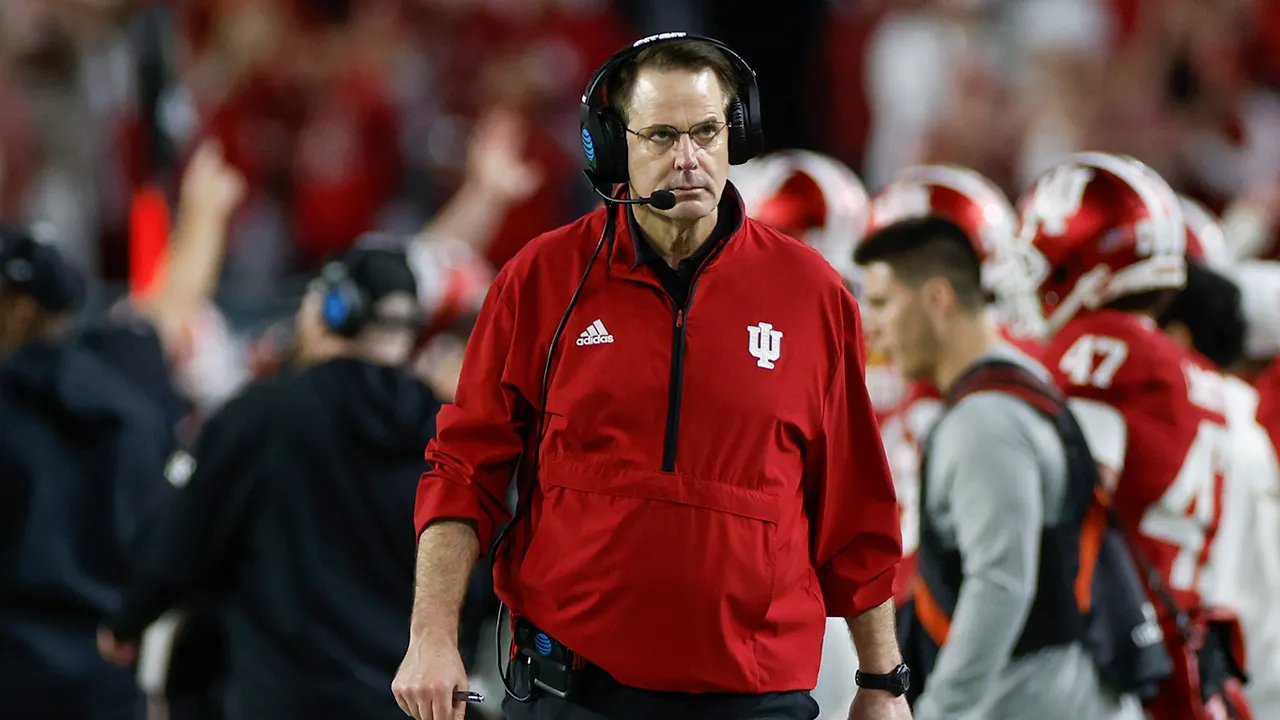
Curt Cignetti stepped into the head coaching role at Indiana just in time to turn the football program into a powerhouse, and in his second season, he delivered what many thought was impossible: a national championship. Picture this—a young, intense coach from the high school ranks and Division II, suddenly presiding over an undefeated team that conquered the College Football Playoff in a heart-pounding showdown against Miami. The Hoosiers’ 16-0 record wasn’t just about wins; it was about transforming a once-modest program into a symbol of resilience and grit in a sport that often favors tradition and pedigree. Cignetti’s journey to this pinnacle is the stuff of modern coaching legends, a testament to hard work and unwavering belief in the underdog spirit. Born in West Virginia and raised in the gritty world of small-town football, he cut his teeth coaching receivers and defensive backs before landing opportunities that led him to elite programs. But Indiana’s triumph wasn’t handed to him—it was forged in the fires of relentless practices and a no-nonsense philosophy that prioritized fundamentals and mental toughness over flash and flair.
What makes Cignetti’s story even more compelling is his evolution from a novice in big-time college football to a national champion. Fans and players alike recall the electric atmosphere during the championship game, where Indiana’s defense suffocated Miami’s high-powered offense, and the offense punched in key drives when it mattered most. Cignetti’s sideline presence was palpable—calm under pressure, quick with encouragement for his charges, yet firm in his demands. He wasn’t just a strategist; he was a motivator who understood the human side of the game. Players on the roster describe him as someone who genuinely cared for their well-being, pushing them to excel while reminding them that victory is about more than the scoreboard. Off the field, he’s a family man, devoted to his wife and children, balancing the chaos of coaching with moments of peace in his rural upbringing. This championship wasn’t just a title; it was the culmination of years of dreaming, the kind of dream that keeps young coaches up at night, pouring over game tapes and player profiles. As Indiana’s star rose, so did speculation about Cignetti’s future—whispers of NFL opportunities floated around, but he turned them down flat, saying, “I’ve always been more of a college football guy,” revealing a man deeply rooted in the collegiate ethos, where building men through adversity meant more to him than big contracts or glitzy stadiums.
The Coaching Style That Built Champions
At the heart of Indiana’s success lies Cignetti’s demanding coaching style, a blend of old-school discipline and innovative tactics that energizes his team while intimidating opponents. He’s not the type to mince words or shy away from tough love; instead, he’s built a culture where accountability reigns supreme. Imagine a coach who insists on perfect footwork in drills, relentless film study, and early morning conditioning sessions that leave players gasping for air. This approach doesn’t come from a place of cruelty but from a deep-seated belief that greatness is earned, not given. Cignetti drew inspiration from his own playing days and early coaching stints, where he learned that true competition weeds out the weak and forges the strong. His staff echoes this sentiment, describing him as a leader who leads by example—whether it’s jumping in on a tackling drill or staying late to review plays with a player struggling personally.
This style has its roots in personal anecdotes; Cignetti often shares stories from his nomadic coaching career, moving from high school powerhouse teams to small colleges, always emphasizing preparation over talent. It’s human in its imperfection—he admits to sleepless nights over strategy and the emotional toll of losses along the way. Yet, for Indiana, it worked wonders, creating a brotherhood among players that transcended the field. Injuries, setbacks, and the pressures of elite-level play were met with Cignetti’s mantra: push harder, learn more, and care deeply for your teammates. It’s no surprise that under his guidance, the Hoosiers developed a reputation for toughness, with recruit after recruit drawn to the program’s philosophy. Fans love this authenticity; in a era of TikTok highlights and flashy spreads, Cignetti’s straight-talking approach feels refreshingly real, a reminder that football’s essence lies in character and dedication. His coaching isn’t just about X’s and O’s—it’s about shaping lives, turning young men into leaders who can face adversity off the field as much as on it.
A Crash Course in Expectations: Nick Marsh’s Gold Cleats
Spring practice at Indiana is when the magic—or the grind—truly begins, and this year, new transfer wide receiver Nick Marsh got an unforgettable lesson in Cignetti’s world. Marsh, fresh from Michigan State, strode onto the field sporting flashy gold cleats, a bold statement in a sport where attire often reflects personality. But Cignetti, ever the detail-oriented coach, zeroed in on it immediately, using it as a teachable moment before practice even kicked off. “I didn’t love those gold shoes he came out in today,” Cignetti remarked with a smirk, recounting how he addressed Marsh point-blank. The receiver was reminded that in Bloomington, expectations aren’t just about catching passes—they’re about fitting into a culture of humility and focus. It was a classic Cignetti move: direct, humorous, and designed to build rapport through correction.
Marsh, a talented wideout with 1,311 receiving yards and nine touchdowns in his two years at East Lansing, likely thought the gold cleats were no big deal—a nod to his Michigan State roots or a personal flair. But Cignetti’s callout flipped the script, showing him that Indiana’s environment demands conformity on the trivial and the pivotal alike. It wasn’t about embarrassing Marsh; it was about immersion in the team’s ethos. Marsh took it in stride, swapping out the cleats and jumping into drills with energy. Teammates later shared that Marsh, whose background includes overcoming the loss of his father, brought a resilient spirit to the team. This incident humanizes both coach and player—Cignetti as the stern but fair mentor, Marsh as the eager newcomer learning life’s lessons one practice at a time. It’s the kind of story that underscores football’s ability to foster growth, where a seemingly trivial detail like footwear becomes a metaphor for bigger themes of adaptation and respect.
Building a Roster Through Transfers
Indiana’s national title wasn’t built on stars alone; it was a collective effort, and this offseason, Cignetti is leaning heavily on newcomers like Marsh to sustain momentum. Alongside Marsh, quarterback Josh Hoover transfers from TCU, adding depth and versatility to the offense. Hoover’s transition from the Big 12 conference signals Indiana’s growing appeal, attracting talent from bigger programs with promises of opportunities and a winning culture. Cignetti noted that this group requires more work than previous rosters, acknowledging the challenges of integrating new pieces into a finely tuned machine. “We have more to do with this group than the first two teams,” he said, reflecting on the nuances of player development and chemistry.
Each transfer brings a personal story—Hoover, with his arm talent and decision-making, hails from a family of football enthusiasts, motivated by the chance to start fresh. Marsh’s journey from Michigan State highlights the nomadic nature of modern college athletes, chasing championships and stability. Cignetti’s staff approaches these additions with empathy, understanding the emotional toll of leaving familiar grounds. Off-field support, like academic advising and mental health resources, ensures these players thrive. Fans, buzzing with excitement, see this as Indiana’s next chapter: a dynasty in the making, fueled by Cignetti’s ability to weave individual talents into a unified force. It’s a reminder that in sports, success is human—about relationships, trust, and the shared dream of glory.
Framing Expectations and the Future Ahead
Cignetti frames incidents like Marsh’s gold cleats as crucial wake-up calls, early injections of the high standards that define his program. “That was a wake-up call,” he explained of the pre-practice moment, but followed up with praise: “he’s really worked hard, done a great job for us.” This duality—tough and tender—captures Cignetti’s coaching soul. He views every interaction as a chance to instill discipline while nurturing potential, drawing from his own experiences of pushing boundaries. For Marsh, the cleat critique was affirmation that he’s in a place where growth is expected and supported.
Looking ahead, Cignetti’s focus remains pragmatic: integrating transfers, refining strategies, and preparing for national contention. Speculation about his future lingers, but he reiterates his college love, cherishing the close-knit community over NFL’s spotlight. Indiana’s fanbase, resilient after years of mediocrity, embraces this underdog narrative. As practices unfold, stories of player progress emerge—Marsh honing his routes, Hoover adapting to new reads—painting a picture of a program evolving. Cignetti’s leadership fosters this, proving that championships start with culture. In an age of instant gratification, his approach stands as a blueprint for lasting success.
Embracing Innovation and Shared Stories
With Indiana poised for greatness, the program embraces modern twists, like the new feature allowing fans to listen to Fox News articles—a nod to accessibility in a digital world. Cignetti’s story, from the championship high to daily coaching grind, resonates in these narratives. His demanding style isn’t just tactics; it’s life lessons imparted on marsh-like newcomers. As the season looms, followers can stay tuned via X and newsletters, diving deeper into sports stories. Ultimately, Cignetti and his team humanize football, showing that behind the plays and praises are people chasing dreams, building legacies one practice at a time. This journey underscores the sport’s heart: perseverance, connection, and the thrill of the unknown. For Indiana, it’s just the beginning.