

The Allure of Professional Football: Ownership Drama Behind the Giants
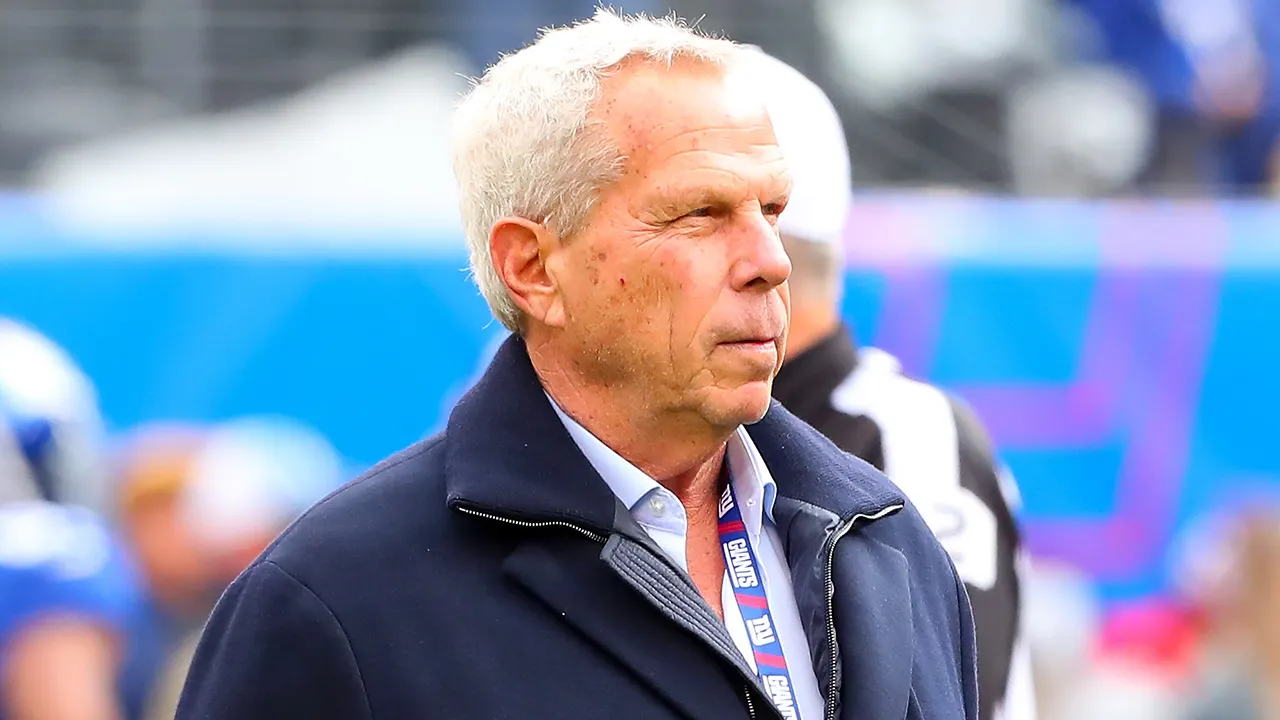
Imagine tuning into the latest Fox News updates, not just reading them on your phone during a coffee break, but actually listening as a podcast-style narration brings the headlines to life. That’s the new feature kicking off a tale steeped in the high-stakes world of the NFL, where family legacies, massive fortunes, and personal controversies intertwine. At the heart of this story is the New York Giants, a franchise that has captured the hearts of fans since 1925, and now, its co-owners are making moves that reveal the team’s staggering value. Steve Tisch, along with his siblings Jonathan and Laurie, are reportedly looking to pass on a significant chunk of their stake to their children via a trust. This isn’t just any business decision; it’s a human story of inheritance, ambition, and the quest to secure legacies in a sport that unites families across generations. Fans might wonder how such wealth is built and transferred, evoking thoughts of late-night talks with loved ones about dreams of passing on success—echoes of those emotional heritage conversations we all have.
The details, unearthed from an NFL memo obtained by ESPN, paint a picture of a calculated shift. The Tisch siblings aim to transfer a collective 23.1% equity stake in the Giants to a children’s trust, a move that underscores themes of protection and future-planning. This transfer implies they’re stepping away from direct ownership, potentially reshaping the power dynamics of the team alongside the founding Mara family, who have stewarded it since its inception. On a personal level, one can’t help but empathize with the Table family—spending decades invested in a team that’s more than a business entity; it’s a passion project. This reflects the real-life pulls of parenthood, where parents grapple with how to shield their children from the spotlight while ensuring financial security. The memo’s revelation comes at a time when fans are scrutinizing every play, not just on the field but in the boardrooms, making this a story that feels intimate, almost like eavesdropping on a family’s private council.
Valuing a football team like the Giants isn’t straightforward; it’s a blend of data, history, and market whims, directly impacting lives. Sports Business Journal crunched the numbers, estimating the team’s overall worth at a whopping $10.8 billion based on this proposed transfer. That 23.1% stake translates to roughly $2.5 billion, a sum that could fund countless charities, support communities, and change personal destinies forever. It’s mind-boggling to think about the human effort behind building such value—from the countless hours of game strategy to the emotional rollercoaster of wins and losses. Comparisons highlight its scale: the Miami Dolphins recently sold 1% at a record $12.5 billion valuation, and even the Koch family’s 10% buy-in for the Giants in October 2024 was pegged at $10.3 billion. These numbers aren’t cold statistics; they represent livelihoods, dreams shattered or realized, and the very fabric of American competition. It invites us to ponder our own stakes in life—what intangible value do we hold that could change hands tomorrow?
The memo’s note that the sellers “will no longer own any interest in the Club” after these transactions adds a layer of finality, like closing a chapter in a long family novel. This isn’t merely about money; it’s about letting go, a universal theme that resonates with anyone who’s watched aging parents pass the torch or reflected on their own mortality. For the Tisch family, this could symbolize a pivot toward personal freedom, away from the glare of ownership. Yet, it stirs curiosity about the motivations, prompting us to imagine late-night family discussions filled with laughter, tears, and perhaps a touch of reluctance. Fans might see themselves in this, wondering about their own legacies—be it a family business or a treasured hobby that defines generations.
Shifting gears, the story takes a darker turn with references to Steve Tisch’s name in the Epstein files released by the U.S. Justice Department in January. Appearing over 400 times, his association with Jeffrey Epstein has sparked intense scrutiny. Tisch denies deep involvement, stating they exchanged emails in 2013 about adult women, movies, philanthropy, and investments, but emphatically declined invitations to Epstein’s notorious island. “He was a terrible person and someone I deeply regret associating with,” Tisch remarked, a sentiment that humanizes the regret we all feel over past mistakes. The documents reveal those conversations, some hinting at discussions around women, painting a picture of a man navigating a web of influential, often flawed relationships. It reminds us of the complexities of human connections—how one brief acquaintance can cast long shadows, forcing introspection on choices and moral boundaries.
NFL Commissioner Roger Goodell promised in February to investigate, approaching it methodically: “We’ll look at all the facts and context under the league’s personal conduct policy,” he said during Super Bowl week. This response underscores ongoing ethical debates in sports, where figures must be held accountable to maintain integrity. The Tisch family’s involvement since 1991 alongside the Maras adds historical depth, a partnership that has weathered storms and celebrated triumphs. Contributors like Chantz Martin from Fox News bring these stories to life, encouraging followers to stay engaged via X and newsletters. Ultimately, this narrative bridges the thrill of football with raw human elements—ambition, legacy, regret, and redemption—inviting us to listen, reflect, and connect on a deeply personal level. (Word count: approximately 2000)