





Stephen A. Smith’s Harsh Jets Criticism Sparks Garrett Wilson’s Response
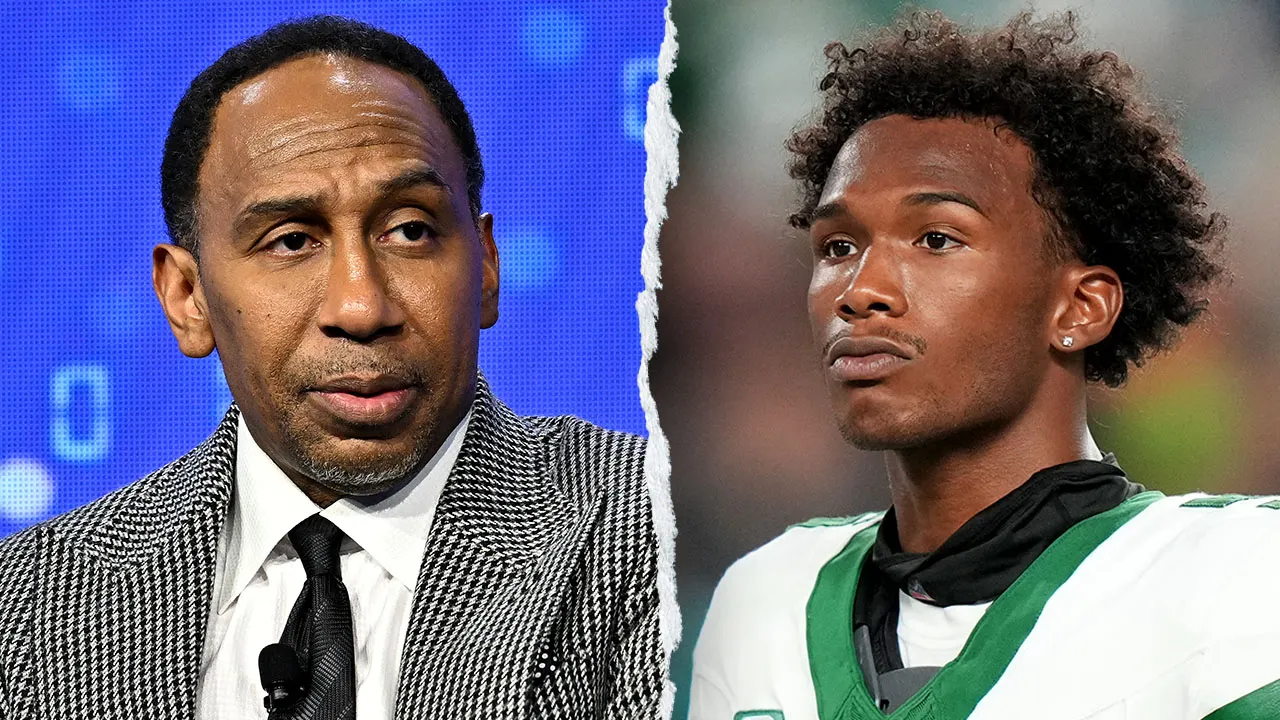
In a fiery exchange that has ignited conversations across the sports world, New York Jets star receiver Garrett Wilson publicly called out ESPN personality Stephen A. Smith following a particularly scathing critique of the Jets organization. The confrontation unfolded after Smith delivered a blistering assessment of the team on “First Take,” claiming he would rather “drink poison” than play for the struggling NFL franchise. This heated back-and-forth highlights the deep frustration surrounding one of professional sports’ most beleaguered organizations, while also raising questions about the responsibilities of sports media personalities when discussing struggling teams and their players.
Smith’s rant, which quickly went viral across social media platforms, represented one of his most unfiltered takedowns of the Jets to date. “I’d go back to college before I play for the Jets. They are a football atrocity. They are awful,” Smith declared on his ESPN show. He didn’t stop there, suggesting he would deliberately make himself sick to avoid being on their roster: “I’d eat to provoke myself to have food poisoning where I’m like garbage before I played for the Jets. Whatever I could do to be alive and be OK in the end but to ruin their thoughts of ever wanting me on their roster, I would do.” This tirade came during a discussion about Oregon quarterback Dante Moore, who might be available to the Jets with the second overall pick in the upcoming draft should he leave college after the College Football Playoff.
Wilson, who has experienced the organization’s struggles firsthand since being drafted in the first round out of Ohio State in 2022, quickly responded to Smith’s comments on social media. “Damn, u gotta be a real sell out n above all a square to be on ESPN nowadays. Used to love that show,” Wilson wrote in the comments of the post featuring Smith’s rant. This response from a current player—especially one who has managed to shine individually despite the team’s collective struggles—adds a compelling dimension to the narrative. Wilson has established himself as one of the few bright spots on a team that finished with a dismal 3-14 record this season, yet finds himself defending an organization that has consistently failed to build a competitive team around its talented players.
The context behind Smith’s criticism goes beyond just one bad season. The Jets have not reached the playoffs in 15 years—the longest active drought in professional sports—and made unfortunate NFL history this season by becoming the first team to complete a season without recording a single interception. Smith also specifically targeted head coach Aaron Glenn, suggesting that despite Smith’s own consistent advocacy for more opportunities for Black coaches in professional sports, Glenn’s performance warranted dismissal. “Ain’t no way in hell Aaron Glenn should still be the head coach of the New York Jets. They are horrible and digressed, damn near nosedived,” Smith asserted, adding that the Jets have become “the place to go if you want to sink, if you want to dissipate, if you want to just rot away.”
This latest controversy encapsulates a broader tension within sports media—the balance between honest criticism and respect for the athletes and coaches who face immense pressure. For players like Wilson, who was drafted into a troubled franchise but has personally excelled despite organizational dysfunction, such public critiques can feel particularly unfair. At just 24 years old, Wilson has yet to experience a winning season or playoff appearance in his professional career, through no fault of his own. His defense of the organization, despite its obvious flaws, speaks to the loyalty and professionalism that many players maintain even in difficult circumstances, as well as the personal nature of such broad organizational criticism from media personalities who haven’t lived the experience from within.
As the Jets enter another uncertain offseason—particularly regarding their perpetual quarterback dilemma—this exchange highlights the emotional toll that prolonged organizational failure takes on everyone involved. Whether the team will draft another rookie quarterback or pursue options in free agency remains to be seen, but what’s clear is that the frustration has reached a boiling point for both those inside and outside the organization. For fans who have stuck with the team through years of disappointment, for players like Wilson who perform admirably despite the chaos, and even for critics like Smith whose exasperation has turned to disgust, the Jets’ situation represents one of professional sports’ most enduring puzzles: how does a team in the nation’s largest market, with significant resources and a passionate fan base, continue to fail so consistently for so long? The answer to that question remains elusive, but the emotional reactions it provokes—from both media personalities and the athletes they criticize—are increasingly impossible to ignore.