





French Sports Minister Addresses World Cup Boycott Questions Amid US-Greenland Controversy
In a recent statement that has caught international attention, French Minister of Sports, Youth and Community Life Marina Ferrari addressed growing questions about whether France would consider boycotting the 2026 FIFA World Cup in response to former U.S. President Donald Trump’s recent claims about a “framework deal” for control of parts of Greenland. Speaking to reporters, Ferrari made it clear that France currently has “no desire” to skip the prestigious tournament scheduled to take place across North America. While acknowledging voices from “certain political blocs” that have raised concerns, she emphasized her belief in keeping sports separate from politics, describing the World Cup as “an extremely important moment for those who love sport.” This balanced approach reflects the delicate position many nations find themselves in when global sporting events become entangled with geopolitical tensions.
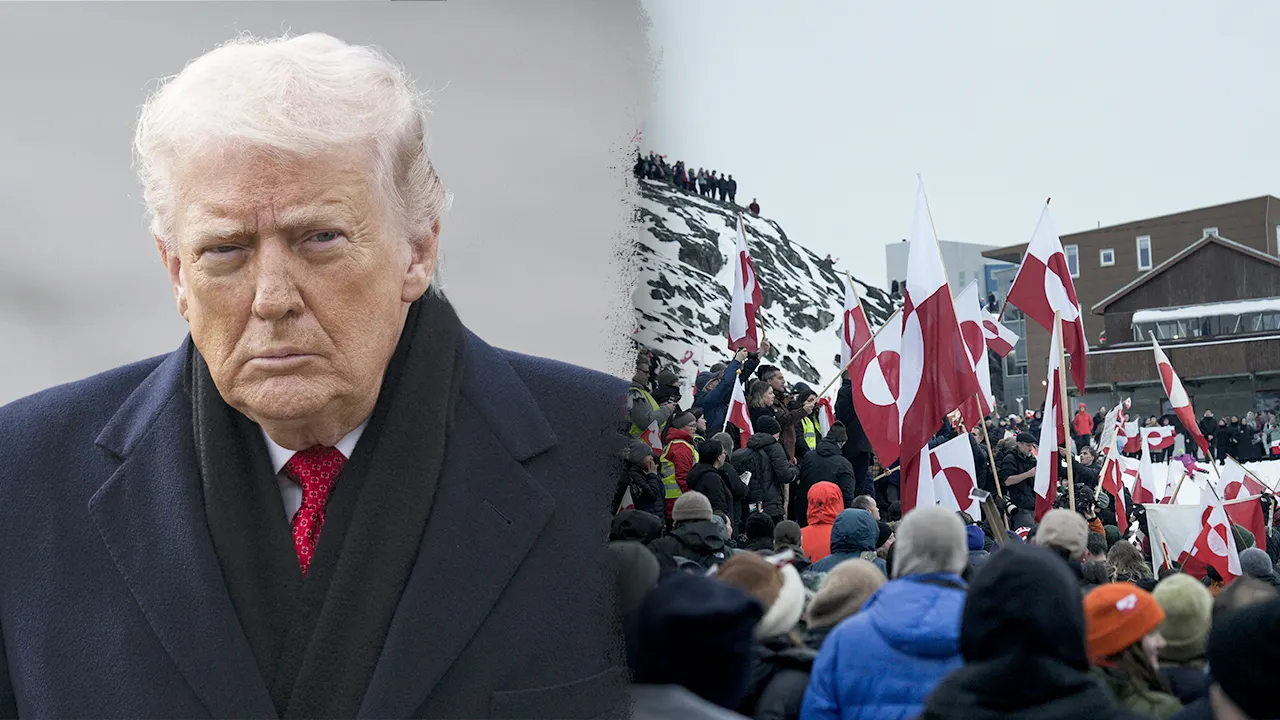
The controversy erupted when Trump announced on his social media platform Truth Social that the U.S. had formed “the framework of a future deal with respect to Greenland and, in fact, the entire Arctic Region” following what he described as a productive meeting with NATO Secretary General Mark Rutte. Trump further claimed this potential solution would benefit both the United States and NATO nations, adding that based on this understanding, he would not impose tariffs that had been scheduled to take effect on February 1st. Later, during a speech at the World Economic Forum in Switzerland, Trump appeared to suggest he would not use force to seize Greenland—a semi-autonomous territory that remains part of the Kingdom of Denmark. This announcement has reignited memories of Trump’s previous interest in purchasing Greenland during his presidency, which Denmark firmly rejected as “absurd.”
Not everyone in France shares Ferrari’s measured stance on the matter. Far-left French politician Éric Coquerel has taken a much stronger position, calling for the United States to be stripped of its World Cup hosting rights altogether. Coquerel questioned the appropriateness of playing in “a country who attacks its ‘neighbors,’ threatens to invade Greenland and rides rough shod over international law.” His comments reflect a growing sentiment among some European politicians who view certain U.S. foreign policy positions with alarm and believe there should be consequences in international sporting contexts. This division within French politics mirrors broader European debates about how to respond to controversial international actions by major powers, particularly when prestigious global sporting events are involved.
The situation draws parallels to other recent controversies involving the intersection of sports and international politics. Notably, despite calls for sanctions in response to U.S. intervention in Venezuela, no major sports bodies have penalized the United States. The International Olympic Committee (IOC) has explicitly ruled out any penalties against the U.S. or its athletes for the upcoming Winter Olympics, stating: “As a global organization, the IOC has to manage a complex reality… The IOC cannot involve itself directly in political matters or conflicts between countries, as these fall outside our remit. This is the realm of politics.” This stance underscores the challenging position of international sports organizations, which often attempt to maintain political neutrality while navigating complex geopolitical landscapes where their events take place.
The 2026 FIFA World Cup, set to be co-hosted by the United States, Canada, and Mexico, represents the first time the tournament will be held across three nations. The expanded 48-team format promises to make it the largest World Cup in history, increasing its significance as a global sporting event and potentially amplifying any political controversies surrounding it. For France—a football powerhouse and current holder of two World Cup titles—a decision to boycott would carry enormous sporting implications. However, Ferrari’s comments suggest that barring significant developments, French fans can expect to see their team compete for a third title on North American soil, continuing the nation’s proud tradition in international football.
As the situation continues to develop, it highlights the ever-complex relationship between international sports and global politics. While many sports enthusiasts and officials advocate for keeping politics off the playing field, the reality is that major sporting events like the World Cup inevitably reflect broader geopolitical tensions and alliances. The French Sports Minister’s position—acknowledging political concerns while prioritizing sports participation—represents a pragmatic middle ground in an era where the boundaries between sports, politics, and international relations have become increasingly blurred. As preparations for the 2026 World Cup continue, nations around the world will be watching closely to see how this and other political controversies might impact what is meant to be a celebration of the world’s most popular sport.