






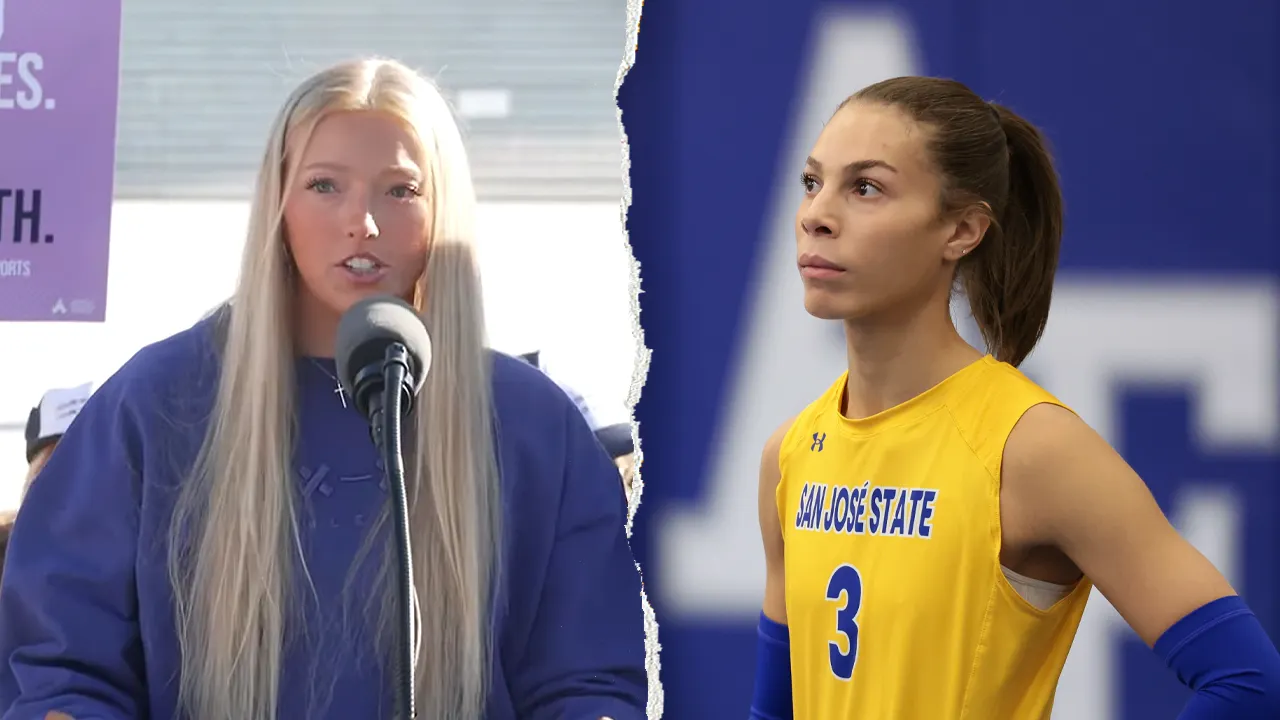
Brooke Slusser will never forget the day she moved into what she calls “the villa,” a stark four-bedroom apartment in San Jose, California, with nothing but white walls staring back at her. Fresh from Texas and Alabama, she was starting her junior year as a transfer student, ready to play volleyball for San Jose State University under Coach Todd Kress. As the first to arrive for the semester, she unpacked her life amid the eerie quiet of the empty building, her parents having driven her across the country to start this new chapter. Little did she know, her coach had handpicked this place, urging her to join a group of female volleyball players who needed one more roommate. Kress insisted she’d “get along better” with these girls, picturing them as a tight-knit class that could bond over two years playing together. But in reality, Slusser soon found herself alone in a strange, undecorated space, experiencing glimpses of California’s eclectic side—the rowdy conventions of furries in animal costumes and the sobering sight of homeless people just outside. She felt vulnerable, far from home, waiting for her new roommates to show up. That changed on day three when Blaire Fleming walked in, the first person to greet her on campus. They spent those initial days bonding as roommates, just the two of them, sharing laughs and easing into college life. Slusser had no clue Fleming was transgender; back then, Fleming seemed like another girl, with no hint of the culture war that lay ahead. It was an innocent start, full of the excitement and nervousness of new beginnings, much like any young woman striking out on her own. Living together in that apartment became a shared adventure for Slusser and her roommates. They piled into beds to watch movies, swapped gossip and secrets, cooked dinners, and even threw parties with doors wide open to welcome other athletes from campus. Slusser grew close to Fleming, admiring her honesty and transparency—Fleming would always tell it like it is, even if it meant suggesting she needed more makeup. They partied, shared germs during flu season, and got through the ups and downs of college life together. In moments of vulnerability, Slusser opened up about deep family traumas from back home in Texas, confiding things she’d only told a couple of others in her life. Being in that close-knit group felt healing, a safe space where everyone understood each other’s struggles. Looking back, Slusser regrets it all—especially after learning the truth— because those intimate, unguarded moments now feel tainted. The apartment’s blank walls eventually got a makeover with trips to HomeGoods, but what she now calls a year-long lie undid everything. She shared a bed with Fleming countless times, assuming it was just girl time, but it wasn’t. That realization hit hard, making her question her own trust and innocence. It was as if her world flipped; the person she thought was a friend had been deceiving her the whole time, and it lingered in her mind, unprocessed and painful. How could she have been so blind to something that now seemed obvious? Coach Kress, she believes, is to blame for pushing her into this setup when there were other housing options. Instead of protecting her, he forced her into a mix that felt wrong from the start. Slusser bristles at the idea of Kress thinking she’d fit better there—knowing Fleming’s true identity all along—and wonders why a coach wouldn’t seek better for his players.
The breaking point came in early 2024, when an article from Reduxx exposed Fleming as transgender. Sitting in her car at Chick-fil-A with Fleming and another roommate, Slusser read the news in stunned silence, the weight of it sinking in. After expressing concern for Fleming in the midst of online backlash, she kept her opinions to herself, but inside, betrayal boiled. They continued living together through the spring, attending classes and prepping for volleyball, but Slusser’s trust shattered. That summer, spurred by her dreams of motherhood—if she ever had a daughter in her shoes, she’d want someone to stand up—she joined Riley Gaines’ lawsuit against the NCAA. Soon, teams were forfeiting games against them, drawing national attention during an election year, with police guarding their practices amid threats. Slusser led Snapchat celebrations when Fleming finally left the apartment, a bittersweet relief. But the emotional toll mounted: stress turned to anxiety, depression, and an eating disorder that made her anorexic. She lost her menstrual cycle for nine months, panicking that her fertility—her biggest dream—was at risk. Family support and prayer pulled her back physically, but the scars lingered, making her more determined than ever. Fleming’s hurtful dismissals about her health only deepened the divide. Slusser saw the school’s announcement of fighting the Title IX findings from the Trump administration, refusing to admit wrongdoing, and it infuriated her. She posted about it publicly, having stayed off social media for months. The university’s lawsuit against the federal government, claiming the OCR’s ruling wasn’t fact-based, felt like salt in the wound. Why wouldn’t they acknowledge the harm? With a Christian upbringing from Texas, this Northern California experience had rewritten her reality, showing her just how vulnerable young women like her can be in the name of inclusivity gone too far. Despite it all, she pushed through, showing up for every practice and game, even as legal battles raged. The Mountain West Conference seemed indifferent, and her lawsuit against them failed in court, but charges against CSU for Title IX violations remained, pending Supreme Court rulings on similar cases like B.P.J. v. West Virginia.
Their 2023 season ended decently with SJSU at 13-18, missing tournament qualification, but Slusser excelled with 753 assists, leading the team handily, while Fleming dominated with kills. She once bore bruises from a Fleming spike, chalking it up to fierce competition back then. Things were building—the apartment became a hub for athletes, dinners, and decorations—but the 2024 season brought chaos. Other assistant coach Melissa Batie-Smoose, now suing for wrongful termination, recalled how Fleming insisted on rooming with Slusser, getting what they wanted to the detriment of others’ comfort. As forfeits piled up—six in the conference thanks to boycotts—they advanced without playing in semis against Boise State, securing second place and a West Virginia final loss. Slusser played through it all, side by side with Fleming, despite the personal agony. The court circus, with judges deferring on dismissing her Title IX claims against SJSU and CSU pending higher rulings, kept hope alive. Her lawyer, Bill Bock, believes biology will win out, aligning with Title IX’s original intent for separate sports based on sex. Slusser felt validated by Trump’s admin recognizing the violations, tears flowing at justice finally seeming possible. Yet the school’s defiance, defending their “support for LGBTQ” against “harms,” underscored the divide. For Slusser, whose faith and family values clashed with this ordeal, it wasn’t about hate—it was about fairness. She’d battled sickness, public scrutiny, and isolation, all while dreaming of future kids. Humanizing this meant acknowledging the real people behind headlines: ambitious athletes turned political talking points, friendships fractured into accusations. Slusser’s story resonates because it’s deeply human—trust broken, health risked, all for standing up. It shows how policies affect everyday lives, turning roommates into adversaries and champions into casualties. In Northern California’s liberalism, this Texan felt like an outsider fighting for something simple: the integrity of women’s sports. Her grace amid the grind, praying her way back from the brink, makes her not just a plaintiff but a symbol of resilience. As legal fates dangle from the Supreme Court this summer, Slusser’s voice echoes a nationwide debate, proving one woman’s courage can challenge giants.
Reflecting on that shared bed—snuggled up watching movies, changing clothes carelessly across the hall—Slusser now shudders at the thought. Two years of assuming Fleming was a girl, sharing secrets and vulnerabilities, left her feeling violated, as if her personal boundaries were crossed without consent. The open-door parties, where athletes mingled freely, now seem reckless, a hub of false camaraderie. Discovered in 2024, the lie unraveled her world, turning trust into regret. She humanizes it by admitting she might have acted differently knowing Fleming’s sex—more guarded, less open. Those secrets about her family’s pain, entrusted to Fleming, now haunt her, weaponized in this fight. Yet, she doesn’t demonize Fleming; she holds Kress accountable, for orchestrating a dysfunctional living situation. The coach’s intentions—a cohesive group for seasons ahead—seem naive or worse, prioritizing inclusion over comfort. Slusser’s frustration boils over: why didn’t anyone warn her? As a devout Christian, she processes betrayal through faith, but the emotional whiplash of joy at Title IX recognition turning to anger at the school’s legal pushback feels raw. Crying her first post in months on X, she voiced public fury, calling out cowardice. This humanizes the politics—it’s not abstract; it’s lived trauma for a young woman yearning for normalcy. The apartment’s transformation from blank canvas to lively home, with shared meals and trips, contrasts sharply with its eventual emptiness. Slusser’s eating disorder, disputed by Fleming’s claims of pre-existing habits, stemmed from the pressure, her body’s alarm at impending harm. Losing her cycle for nine months terrified her, tying into her profound desire for a large family. Prayer and family brought recovery, but vigilance remains for any permanent effects. This narrative drifts from policy to palpability, showing how far-reaching decisions trickle down to personal anguish.
Volleyball kept them connected despite the rift—traveling, practicing, competing. Slusser’s assists and Fleming’s kills fueled success, but injuries like that bruising spike revealed physical disparities she once ignored. The 2024 forfeits, borne of boycotts, showcased polarized realities, advancing their team weirdly to finals without wins on court. Slusser played anyway, loyal to her sport. Now, post-career, she’s a plaintiff again, suing Mountain West for discrimination. Judge Kato Crews dismissed conference charges but left SJSU-CSU Title IX issues hanging, waiting for Supreme Court clarity. CSU celebrates compliance, but Bock predicts a win on biology’s side, upholding original laws from 1972. For Slusser, this means validating her ordeal, a beacon for fair play. Her January speech outside the Court on athlete laws marked bold advocacy, humanizing the stakes—mothers protecting daughters. This case isn’t sterile; it’s stories of shame, fear, and fortitude. Slusser’s background in Texas equipped her to endure, but California awakened her to broader threats. No wonder the stress manifested physically—eating orders, cycle loss—yet she rallied, proving durability. Fleming and Kress’s silence adds mystery; their perspectives untold fuel assumptions. Slusser’s journey, from vulnerable transfer to warrior, embodies hope amid division.
Ultimately, Slusser’s tale recasts the trans athlete debate as a heartfelt saga of boundaries and belonging. The “villa” became a stage for unintended cohabitation, turning innocent roommate bonds into lifelong lessons on identity and truth. Her discovery prompted activism, joining suits that echo nationwide, challenging norms in women’s sports. Health hiccups and family dreams underscore the human cost—ritual weighs-ins turning unhealthy, fertility fears crushing dreams. Yet, recovery via prayer highlights strength. Kress’s choices loom large, implicating leadership in vulnerability. SJSU’s legal defiance against OCR findings signals defiance, but Slusser’s optimism persists, eyeing June’s verdict. This narrative transcends sport; it’s about safeguarding youth, especially girls with aspirations. Hearing these voices makes complex issues accessible, revealing grief beneath headlines. Slusser thrives now, dedicated to justice, a testament to transformation through trial. Her story urges empathy, honoring individual impacts in policy ponderings. As rulings loom, potential precedents could redefine athletics, ensuring biology reigns for equity. Slusser’s eloquence at courts and rallies galvanizes supporters, blending personal pain with public purpose. In essence, it’s her humanity—a woman fighting not for fame, but fairness—that might rewrite rules, securing safer futures for all young athletes. The apartment’s legacy endures, a reminder that blocks lay foundations flawed or firm, and from deception, determination dwells.