





Penny Hardaway Prefers College Basketball’s Fundamentals Over Modern NBA Style
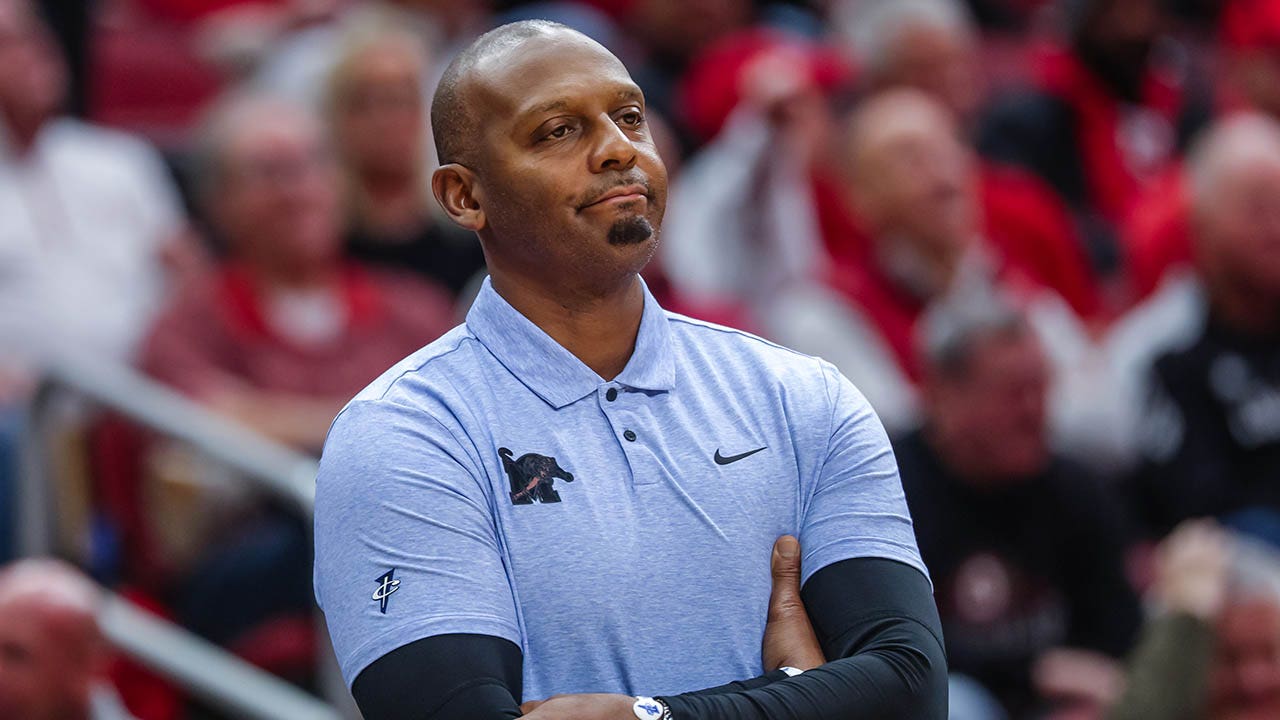
Memphis Tigers head coach Penny Hardaway, now in his eighth year leading his alma mater, recently shared his candid thoughts about the evolving styles of basketball across college and professional levels. The four-time NBA All-Star revealed on his weekly radio show that during the upcoming holiday break, while his team takes a hiatus between December 22 and New Year’s Eve, he plans to immerse himself in watching approximately 50 college basketball games. This commitment to study reflects not only his dedication to his coaching position but also his preference for the collegiate game over today’s NBA basketball.
Hardaway didn’t mince words when expressing his feelings about the current NBA product, stating plainly, “It’s just not fun to watch anymore.” His critique stems from a perspective shaped by his own stellar professional career after being selected third overall in the 1993 NBA Draft. Hardaway explained that his immersion in college basketball has heightened his appreciation for fundamentals and team-oriented play—elements he finds increasingly absent at the professional level. The proliferation of three-point shooting in the NBA particularly frustrates him: “No one shoots layups anymore,” he lamented, adding that while the modern style might entertain casual fans, “for guys that were pure in the game, it’s a little difficult” to watch.
Despite his general disillusionment with the NBA’s direction, Hardaway acknowledged there are still some professional teams whose approaches align more closely with his basketball values. He specifically praised the Oklahoma City Thunder, noting they “play the game the right way” regardless of their standing as the league’s top team. Similarly, he expressed appreciation for the Boston Celtics’ style of play and maintains interest in following the Memphis Grizzlies’ development. Individual stars still capture his attention too, with Hardaway mentioning he enjoys watching Jalen Brunson of the New York Knicks and Minnesota’s Anthony Edwards, suggesting his criticism is more about systemic style than a wholesale rejection of professional basketball.
The contrast between college and professional basketball has grown more pronounced in recent years, with the NBA increasingly embracing analytics-driven approaches that prioritize three-point shooting and spreading the floor. While acknowledging the seismic shifts in collegiate sports—particularly with the introduction of name, image, and likeness (NIL) compensation for student-athletes—Hardaway remains firm in his preference for college basketball’s style of play. His statement, “But I’ll take that style over the NBA,” reflects a coaching philosophy that likely emphasizes fundamentals, team cohesion, and traditional basketball principles that he believes are better preserved at the collegiate level.
Hardaway’s perspective carries significant weight given his background as both an elite NBA player and now a college coach experiencing success at Memphis. Under his leadership, the Tigers have made three consecutive NCAA Tournament appearances, demonstrating that his approach to the game can yield results at the collegiate level. His comments come at an interesting juncture for his team, as the Tigers currently hold a 4-6 record heading into their upcoming game against Mississippi State, suggesting that even adherence to basketball fundamentals doesn’t guarantee consistent success in a competitive landscape.
The former Orlando Magic star’s critique adds his voice to ongoing discussions about basketball’s evolution and where the game’s future lies. While analytics and three-point shooting have transformed professional basketball, Hardaway represents a contingent of basketball purists who value traditional elements of the game. His planned immersion in college basketball during the holiday break—choosing to watch 50 games rather than NBA contests—underscores his commitment to a vision of basketball that prioritizes fundamentals, team play, and perhaps a more diverse array of offensive strategies than what he perceives in today’s NBA. As the college and professional games continue to evolve in different directions, Hardaway’s perspective highlights the tension between innovation and tradition that shapes basketball at all levels.