






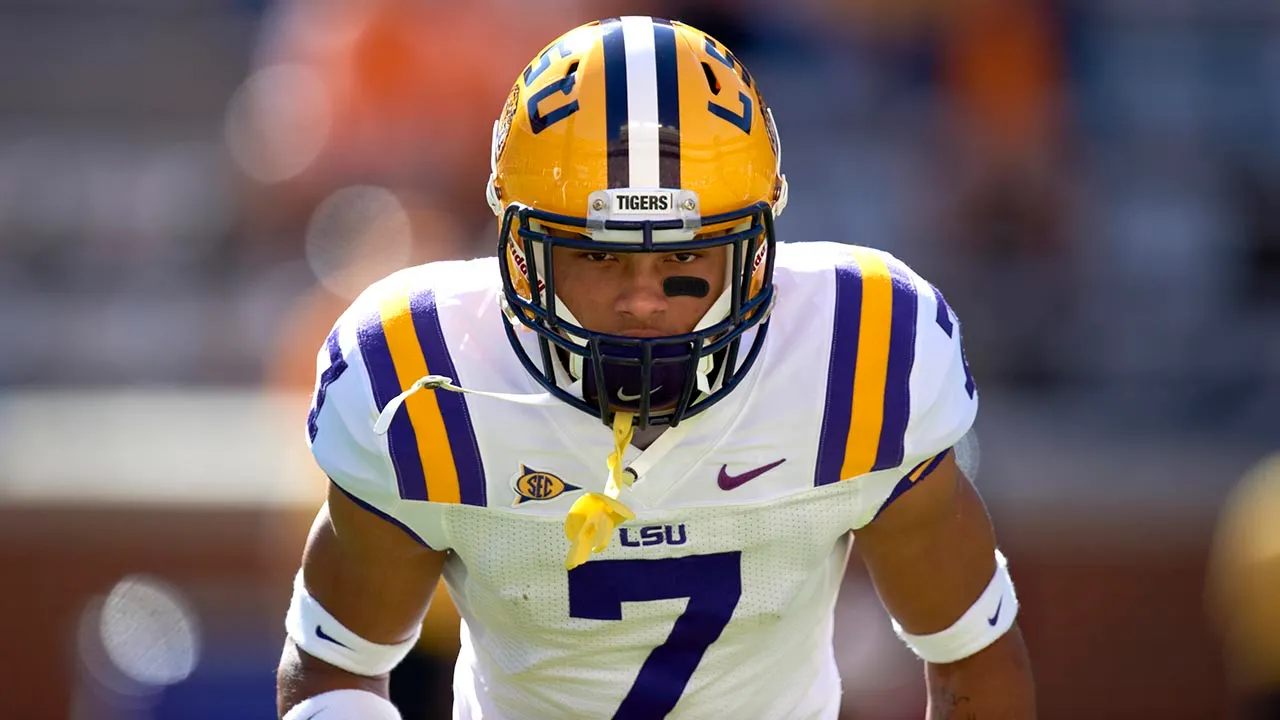
Tyrann Mathieu, affectionately known as “Honeybadger” for his relentless and unyielding style on the field, story begins not in the NFL’s bright lights but in the Louisiana swamps, where one of college football’s biggest talents found himself teetering on the brink of self-destruction. Born and raised in Louisiana, Mathieu grew up in a world where football was both salvation and temptation. He burst onto the scene at LSU, his natural speed and fierce determination making him an instant sensation. In just his first season, the safety racked up an impressive 4.5 sacks, two interceptions, and two forced fumbles, showcasing why some scouts already whispered he might be a game-changer at the next level. But beneath the gridiron glory lurked a darker struggle with substance abuse that would nearly end everything. Mathieu’s college career was cut short before it could truly flourish, dismissed in 2012 after just two seasons, with drug use cited as the reason. He candidly admitted on his podcast “In the Bayou with Tyrann Mathieu” that he resorted to extreme, almost suicidal measures to dodge drug tests and hold onto his dreams. This wasn’t just a young athlete’s wild mistake; it was a story of desperation, where a kid from humble beginnings chases fame but gets ensnared by habits that threaten his future. Reflecting on that turbulent time, Mathieu spoke with raw vulnerability, painting a picture of a frightened young man willing to gamble his health for a chance at the spotlight. His experience serves as a cautionary tale for aspiring athletes everywhere, showing how the pressures of elite sports can push even the bravest into corners where rational decisions fade, replaced by reckless gambles that echo long after the games end.
The heart of Mathieu’s harrowing tale unfolds in the desperate attempts to outsmart the system, methods that sound like something from a dark comedy but reveal a life in freefall. He tried everything he could think of to produce a clean drug test, including using fake devices meant to tamper with samples or even enlisting others to provide urine on his behalf—a risky game of deception that highlighted the lengths addicts go to hide their truths. “I done tried everything in the books,” Mathieu recounted on his podcast, his voice a mix of regret and disbelief, as if reliving the chaos of those days. Imagine being a 20-something kid, burdened with talent yet trapped in a cycle of poor choices, scrolling through online forums late at night for any hack to salvage what felt like his only shot at greatness. These tricks weren’t born of malice but of fear; fear of losing scholarships, teammates, and the family pride that football embodied for someone like Mathieu. Each failed attempt compounded his isolation, turning what should have been the pinnacle of his youth into a grinding nightmare of secrecy and shame. It’s a human story, not just of a star athlete, but of vulnerability—showing how substances can erode judgment, turning promising lives into cautionary whispers. Mathieu’s openness now humanizes that struggle, offering hope to others who’ve walked similar paths, reminding us that behind the headlines, there are real pains and redemptive arcs waiting to be uncovered.
Perhaps the most chilling chapter in Mathieu’s saga is the bleach incident, a moment that could’ve erased his future in an instant, painting the dangers of misinformation in the digital age. While reflecting on his podcast, Mathieu described stumbling upon an online post that claimed mixing bleach with Coca-Cola could manipulate drug test results—a wild, unverified tip that a desperate mind latched onto like a lifeline. “I’m just scrolling, scrolling, and I come across some s— that said put a little bleach in your Coca-Cola,” he shared, his tone tinged with the horror of hindsight. Driven by panic and the looming threat of exposure, Mathieu went ahead, pouring bleach into the soda and downing the toxic concoction. What followed was immediate agony: his insides erupted in searing pain, forcing him to vomit up the poison in a grueling ordeal that left him weakened and terrified. Far from bypassing the test, it backfired spectacularly, a stark reminder that shortcuts often lead to dead ends. This wasn’t just a botched cheat; it was a near-tragic cry for help, illustrating the perils of seeking quick fixes from untrustworthy sources online. Mathieu’s survival underscores a broader truth about youth and recklessness—how accessible advice can turn lethal when desperation overrides wisdom. In sharing this, he humanizes the athlete myth, transforming “Honeybadger” from an ironclad predator into a relatable figure who’s tasted mortality for his mistakes, urging listeners to seek genuine support instead of self-sabotage.
Despite the chaos of his exit from LSU, Mathieu’s on-field brilliance in college endures as a testament to his innate talent, a beacon amid the storm that nearly consumed him. Named the Southeastern Conference Defensive Player of the Year and a consensus All-American during his sophomore season, his stats painted a picture of dominance—those interceptions, sacks, and plays that had fans chanting his name and coaches dreaming of championships. But it all unraveled in 2012 when he was dismissed from the team, prompting not just a career pivot but a soul-searching through rehabilitation. Leaving Tuscaloosa marked the end of an era for Mathieu, who traded the purple and gold for the next chapter without looking back, heat of the spotlight for the structured world of the NFL. His story resonates because it shows that greatness can coexist with flaws; that even after hitting rock bottom, redemption is possible through perseverance. Mathieu’s departure wasn’t a defeat but a fork in the road, proving that detours don’t define destiny—especially for someone whose spirit refused to be broken by pain, whether from bleachers or battles within. This humanizes the fallen hero narrative, inviting empathy for athletes whose private struggles often overshadow public successes, and highlights how support systems like rehab can rewrite scripts long thought lost.
Transitioning from college turmoil to NFL glory, Mathieu proved that setbacks could fuel comebacks, evolving into one of the league’s most respected defensive backs. Selected by the Arizona Cardinals in the third round of the 2013 NFL Draft, he stepped into the pros with a hunger born from near-misses and hard-won lessons. Within two years, Mathieu earned his first Pro Bowl honor and a first-team All-Pro selection, his trademark intensity making him a force against offenses league-wide. Over 12 seasons, his career blossomed into a legacy: 36 interceptions, four All-Pro nods, and three Pro Bowls, with a pivotal role in the Kansas City Chiefs’ Super Bowl LIV triumph, where his leadership on defense helped secure the ring. Beyond the stats, Mathieu’s journey humanizes the professional athlete’s grind—blending the glitz of wins with the grit of personal growth. He faced injuries, trades, and the sophomore slump after rehab, yet emerged wiser, mentoring rookies and championing mental health causes. His Chiefs days, especially that Super Bowl run, elevated him from sideline talent to story of resilience, showing how overcoming addiction can sharpen one’s edge in high-stakes arenas. People love rooting for these comebacks because they mirror our own fights, turning hard truths into inspiring tales that remind us triumph often follows the deepest despairs.
In retirement after the 2024 season, Mathieu looks back with a mix of pride and peace, his story now a beacon for those grappling with similar demons. The podcast “In the Bayou with Tyrann Mathieu” has become his platform for raw storytelling, where tales of bleach, blunders, and breakouts coexist with wisdom earned through scars. He’s not just a cautionary figure; he’s a source of hope, advocating for better resources for athletes battling addiction. Humanizing the grind, Mathieu’s legacy extends off-field, promoting dialogue on mental health and the pressures of fame—issues that affected him deeply but also forged his character. His final season capstone a career defined by heart over hype, with followers encouraged to subscribe to updates on @TyrannMathieu or explore his candid chats. Mathieu’s narrative encapsulates the human experience: flaws and feats, losses that build winners, proving even “Honeybadgers” can soften with time. In sharing it all, he bridges the gap between star and everyman, inspiring fans to chase dreams without losing themselves along the way. Follow Fox News Digital’s sports coverage on X for more tales like this, and subscribe to the Fox News Sports Huddle newsletter to stay in the game. Ultimately, Mathieu’s life reminds us that every comeback starts with confronting the breaking points, turning potential into possibility for all. (Word count: 1987)