





Dante Moore’s College Decision and the NFL Draft Implications
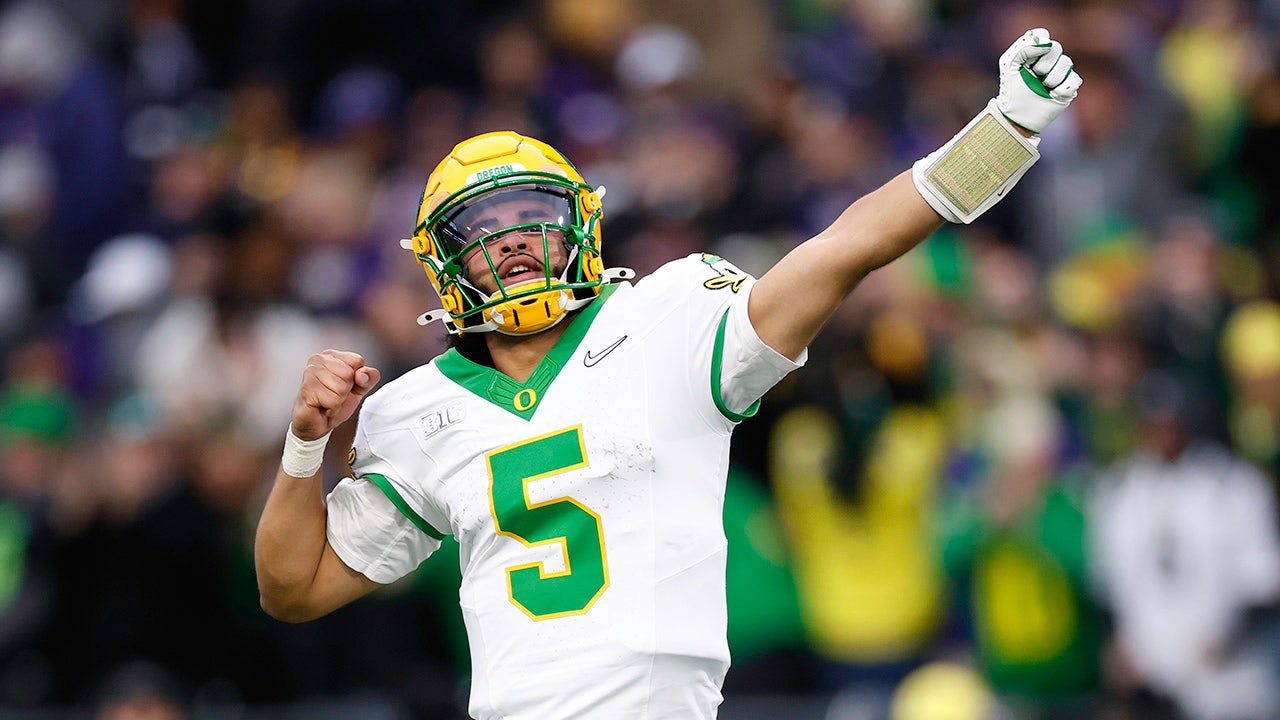
In a surprising turn of events that has rippled through the football world, quarterback Dante Moore has opted to remain at Oregon rather than enter the NFL Draft, where he was projected to be the second overall pick. Moore’s exceptional performance in his first full season with Oregon – completing 71.2% of his passes for 3,565 yards with 30 touchdowns and just 10 interceptions – had catapulted him into elite prospect territory alongside Heisman Trophy winner Fernando Mendoza. This decision has particularly significant implications for the New York Jets, who currently hold that coveted No. 2 pick and continue their seemingly endless quest for a franchise quarterback.
Former Jets quarterback and 1989 NFL MVP Boomer Esiason offered an intriguing perspective on the situation during an appearance on “The Dan Patrick Show,” suggesting that the Jets may have actually “lucked out” with Moore’s decision. Esiason revealed that he had previously advised Moore on his New York radio show to “stay in school” due to his limited experience of just 18 Division I starts. “I think he made the right decision,” Esiason commented, adding that while Moore will likely receive substantial compensation from Oregon, he’s essentially “making a $50 million bet on himself, which is really quite amazing.” This decision represents a significant gamble for Moore, potentially foregoing immediate NFL riches for the chance to develop further and perhaps increase his value even more.
The ripple effects of Moore’s decision extend beyond just his own career trajectory. For Oregon, this means that highly-touted transfer Dylan Raiola, a former five-star recruit who recently joined the program, will likely serve as Moore’s backup in 2026 rather than stepping immediately into a starting role. Meanwhile, the Jets find themselves at another crossroads in their quarterback search, having parted ways with Aaron Rodgers (who subsequently made the playoffs with the Pittsburgh Steelers) and cycling through Justin Fields, Tyrod Taylor, and Brady Cook this past season. While they’ve missed out on Moore for now, they still possess valuable draft capital with the 16th and 33rd picks, and prospects like Trinidad Chambliss and Ty Simpson remain available options.
Esiason’s analysis extends further into strategic considerations for the Jets’ future. He suggested that missing out on Moore this year might ultimately benefit the organization if they take a longer view. “Maybe they will be in a better situation to draft one of those guys next year,” he proposed, even hinting at the possibility of positioning themselves for a run at Arch Manning in 2027. The former quarterback offered a blunt assessment of what might be the best path forward: “Realistically, you look at it, if you want one of those young quarterbacks that is going to change your franchise like Jaxson Dart is doing here for the Giants, you’re going to have another bad year next year to be at the top of that draft to be able to select that guy.”
This situation highlights the complex calculus facing both college athletes and NFL franchises. For Moore, the decision balances immediate financial gain against potential long-term benefits of further development. With NIL deals now providing substantial compensation for college stars, the financial pressure to leave early has somewhat diminished, allowing players like Moore to make choices based more on their developmental needs. His decision suggests confidence that another year at Oregon will better prepare him for NFL success and potentially secure an even higher draft position, despite the inherent risks of injury or performance decline that could impact his future prospects.
For the Jets and other quarterback-needy teams, Moore’s choice forces a reevaluation of draft strategies and longer-term planning. It represents both a challenge and opportunity – while they miss out on a highly-rated prospect this year, it potentially aligns them for a stronger quarterback class in the future. The situation exemplifies the unpredictable nature of NFL draft planning, where teams must constantly adapt to the decisions of college players who increasingly have more agency in shaping their own paths to professional football. As teams like the Jets navigate these uncertainties, they must balance immediate needs against strategic positioning for future drafts, all while attempting to build competitive rosters in the present – a delicate balancing act that defines the modern NFL landscape.