


Diane Crump: A Pioneering Spirit in Horse Racing and Beyond
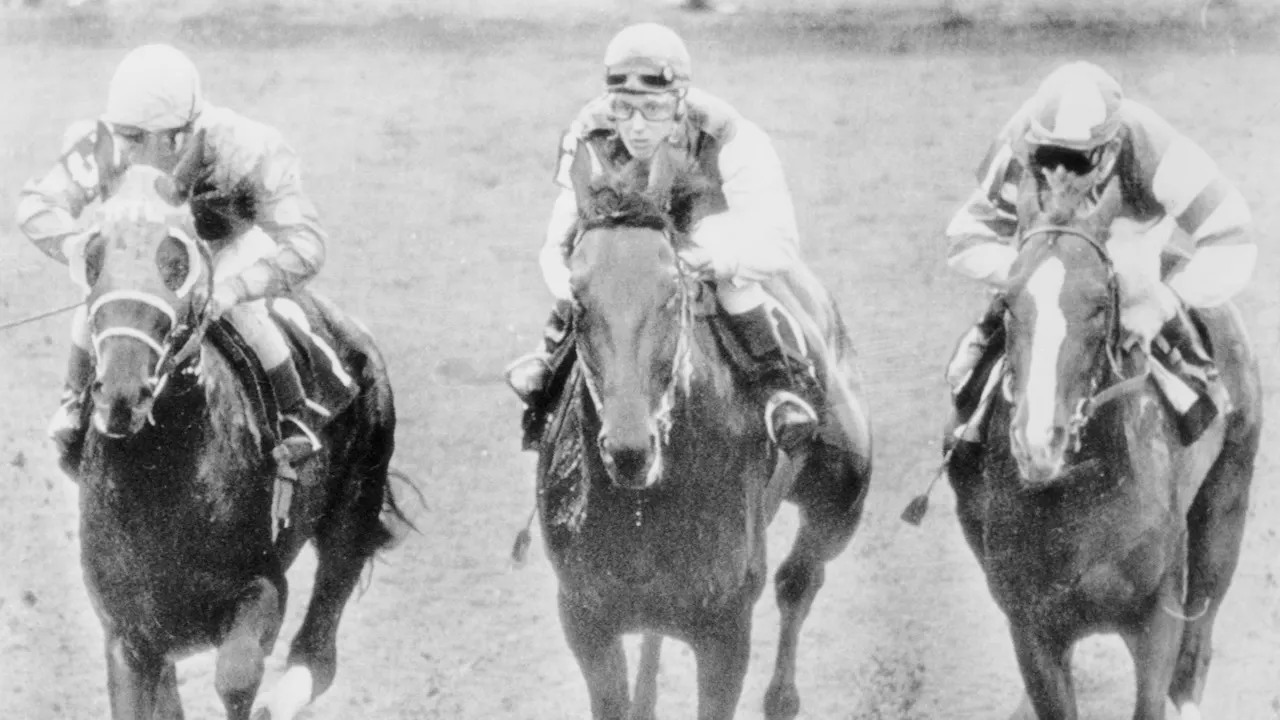
Diane Crump, who broke barriers as the first female jockey to compete in the Kentucky Derby, passed away at 77 after battling an aggressive form of brain cancer. Her journey to becoming one of horse racing’s most significant trailblazers began long before her historic Kentucky Derby ride in 1970. From the age of five, Crump developed a deep connection with horses, eventually galloping thoroughbreds in her teenage years despite the overwhelming male dominance in the sport. Her determination culminated in a groundbreaking moment on February 7, 1969, when she became the first woman to ride professionally in a horse race at Hialeah Park in Florida. This achievement came against substantial odds, as female jockeys at the time struggled to receive licenses, faced boycotts from male jockeys, and encountered resistance from trainers hesitant to put women on their horses. Crump’s perseverance opened doors that had long been closed to women in the racing world.
The following year, Crump made history again by becoming the first woman to ride in the Kentucky Derby, shattering one of horse racing’s most significant glass ceilings. The magnitude of this achievement is highlighted by the fact that it would take another 14 years before another woman would compete in the prestigious race, and only four others have done so since then. Throughout her remarkable career, which spanned nearly three decades until her retirement just before her 50th birthday in 1998, Crump accumulated 228 victories. Churchill Downs Racetrack President Mike Anderson paid tribute to her legacy, stating that Crump “will be forever respected and fondly remembered in horse racing lore” as “an iconic trailblazer who admirably fulfilled her childhood dreams.” Chris Goodlett of the Kentucky Derby Museum similarly honored her memory, noting that “Diane Crump’s name stands for courage, grit and progress” and that her determination “opened doors for generations of female jockeys and inspired countless others far beyond racing.”
After hanging up her racing silks, Crump channeled her equestrian expertise into a successful business in Virginia, helping clients buy and sell horses. But her post-racing life revealed a woman whose compassion extended far beyond the track. She devoted significant time to animal-assisted therapy, taking her dachshunds to visit patients in hospitals and medical clinics. Many of these weren’t just casual visits – Crump formed lasting bonds with patients suffering from chronic illnesses, returning to see them regularly over the years. This dedication to helping others in need became as much a hallmark of her character as her pioneering achievements in horse racing. When Crump entered assisted living in her final month, she was already well-known among the staff because of how much time she had spent there supporting patients, with doctors and nurses making special visits to her bedside.
Crump’s daughter, Della Payne, revealed insights about her mother that went beyond her public persona, describing a woman defined not just by competitive spirit but by extraordinary stubbornness and unwavering reliability. “I wouldn’t say she was as competitive as she was stubborn,” Payne explained. “If someone was counting on her, she could never let someone down.” This steadfast determination served Crump well throughout her life, from breaking into the male-dominated world of horse racing to her later years of community service. Her refusal to take “no” for an answer applied equally to pursuing her dreams and to helping those in need. Perhaps the most telling insight into Crump’s character came in her later years, when she had her core values – “Kindness” and “Compassion” – tattooed on her left and right forearms respectively, a permanent reminder of the principles that guided her life.
The impact of Diane Crump’s life extended well beyond the racetrack, touching people from all walks of life. In her final days at the medical center, Payne described a “steady stream” of visitors, from medical professionals to the man who mowed her lawn, all coming to pay their respects to a woman who had made such a meaningful impression on their lives. This outpouring of affection speaks to Crump’s character – someone who, despite achieving historical significance in her professional life, remained deeply connected to her community and dedicated to serving others. Her story represents more than just athletic achievement; it embodies a life lived with purpose, breaking barriers not just for personal gain but to create opportunities for others who would follow in her footsteps.
Following her death on Thursday night in Winchester, Virginia, Crump will be cremated and her ashes interred between her parents at Prospect Hill Cemetery in Front Royal, Virginia. Her legacy, however, will continue to inspire generations to come. As one of the most significant pioneers in horse racing history, Crump demonstrated that determination and refusing to accept artificial limitations could lead to extraordinary breakthroughs. More importantly, her life illustrated how such achievements can be paired with deep compassion and service to others. In the male-dominated world of horse racing in the 1960s and 70s, Diane Crump didn’t just participate – she paved a new path, making it possible for women to compete at the highest levels of the sport. Her name will forever be associated with the courage to challenge conventions, the tenacity to persist despite obstacles, and the heart to use her platform to enrich the lives of others.