





A Shift in the Spotlight: Life on the Court Before and After Caitlin Clark
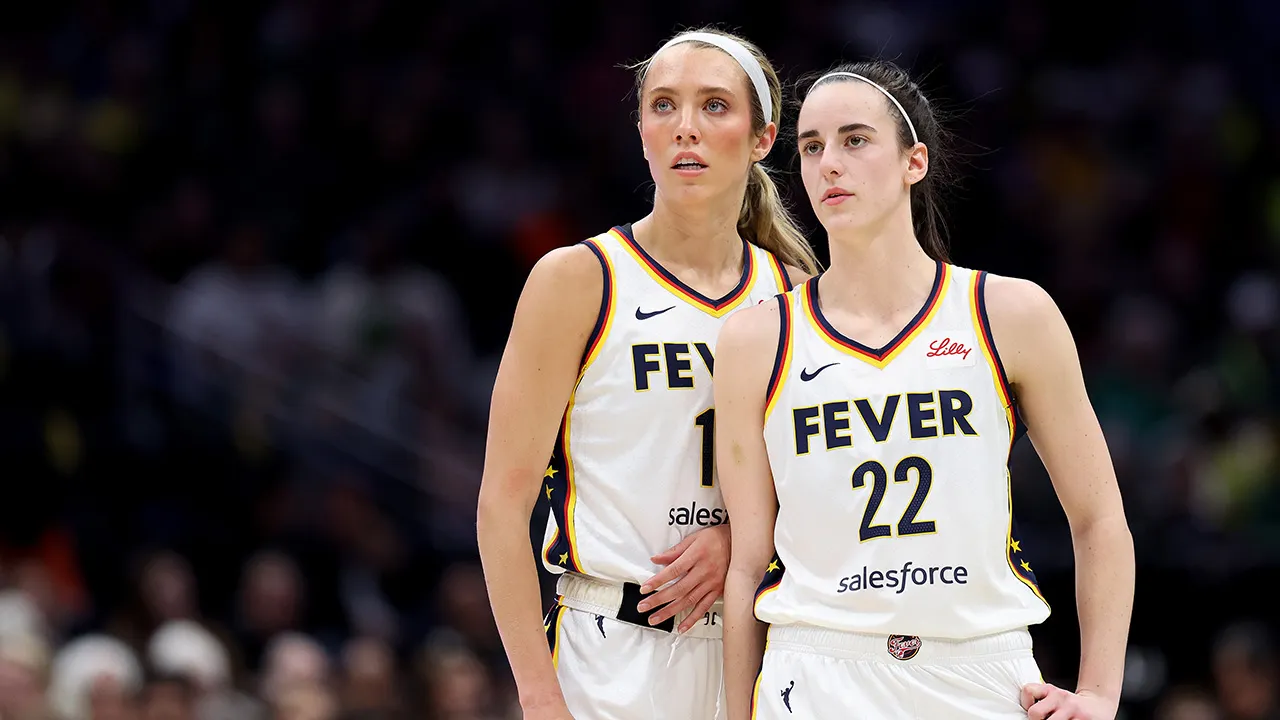
Lexie Hull’s journey with the Indiana Fever feels like a tale of two worlds divided by a single draft pick. Back in 2022, when she was selected straight out of college, playing in Indianapolis was like slipping into a comfortable, low-key routine. The arenas were quieter, the crowds manageable, and the focus was purely on the game without the relentless buzz of national attention. Hull recalls those early seasons fondly, a time when the Fever’s attempts to make the playoffs pushed them just short, year after year, in a Gainbridge Fieldhouse that felt more intimate than the crescendo of excitement that’s since taken over. But everything changed when Caitlin Clark arrived in 2024—a whirlwind of talent, charisma, and star power that catapulted the team into the eye of the storm. Suddenly, the Fever wasn’t just a regional squad; it was the epicenter of women’s basketball fandom, drawing fans from across the country who donned jerseys and turned every home game into a spectacle. Hull, with her steady forward presence, watched as the landscape transformed overnight. Where once opponents approached games with routine intensity, they now stepped onto the court with an extra edge, fueled by the desire to take down the rising stars. “Because of the fans we’ve gotten since 2024,” Hull explained, capturing that swelling pride and rivalry, “with the Indiana Fever becoming a name everyone knows, it’s like the stakes are higher for everyone involved.” As a player, she’s embraced this evolution, but it’s not without its adjustments, making her story a relatable one of adaptation in the face of fame’s double-edged sword. Hull’s reflections aren’t just about basketball; they mirror how ordinary lives can be upended by extraordinary events, turning quiet professionals into public figures almost overnight. In interviews, she speaks with the humility of someone who grew up without grand dreams of the WNBA, yet now carries the weight of inspiring a new generation. It’s a human tale of resilience, where a dedicated athlete navigates the thrill of growing visibility while grounding herself in the core reasons she loves the sport.
Navigating the Shadows: Scrutiny, Scrutiny, and Scrutiny
Yet, with that spotlight comes an unavoidable shadow—the intensified scrutiny that tests even the toughest players. Hull candidly admits that the “most challenging part” of her role nowadays is the avalanche of opinions that flood social media, where fans and critics alike dissect every play, every interview, and sometimes, every aspect of personal life. Before Clark’s arrival, the Fever operated in relative obscurity, shielded from the viral storms that now erupt after games. Now, arenas echo with louder chants, opponents dig deeper to disrupt the Fever’s flow, and online platforms amplify disagreements into heated debates. Hull describes feeling the pressure acutely: “People have opinions online, and unfortunately, that’s part of the job,” she says, embodying the vulnerability of public figures who must brush off unfiltered critiques to stay focused. It’s not just commentary anymore; it can cross into personal territory, attacking character rather than play. When pressed about whether she’s endured such attacks, Hull responds cautiously, revealing a strategy of avoidance: “I’m sure I have. I try not to read comments for that reason.” Her approach highlights a broader truth about human endurance in the digital age—how constant exposure can erode one’s sense of normalcy, turning athletes into targets for strangers’ frustrations. This isn’t merely a sports issue; it’s a poignant reminder of how the internet, for all its connective power, amplifies divides and diminishes privacy. Hull’s empathy shines through when she urges fans to remember the humanity behind the uniforms: “We’re real people,” she insists, pleading for perspective when drama spirals out of control. Her words resonate with anyone who’s faced online judgment, framing the Fever’s story as one of grace under fire, where mental fortitude matches on-court prowess. Through it all, Hull’s poise—cultivated over seasons of quiet perseverance—underscores the fleeting nature of fame and the lasting importance of inner peace, making her a relatable figure for those balancing ambition with boundaries.
The Chippy Side of Glory: Physicality and Heated Moments
As the Fever’s profile soared, so too did the intensity on the court, where the game’s inherent physicality intertwined with heightened emotions. Hull has witnessed firsthand how opposing teams ramp up their aggression, motivated not just by competitive spirit but by the allure of outperforming a championship contender. “As an opposing team, you’d want to win even more because you feel there’s so many people rooting against you,” she observes, capturing the psychological shift that turns routine matchups into high-stakes showdowns. Yet, she dispels the notion that games have become markedly more brutal, attributing much of the perception to social media’s magnifying effect. “I think people just want to win,” Hull notes with a shrugged acceptance, drawing from her experience to normalize the chips, shoves, and unspoken rivalries that have always defined women’s basketball. This physicality boiled over dramatically in a June 2024 clash against the Connecticut Sun, where an eye-poke by Jacy Sheldon escalated into a full-blown brawl after Marina Mabrey shoved Caitlin Clark. Hull’s teammate, Sophie Cunningham, retaliated with a hard foul, sparking ejections and underscoring the thin line between passion and chaos. Such incidents aren’t isolated; they’ve become emblematic of the Fever’s turbulent yet thrilling rise, discussed endlessly online and in locker rooms alike. Hull reflects on it thoughtfully, advocating for prevention: “It shouldn’t get to that point,” she says, emphasizing the need for cooler heads and better officiating. Her view humanizes the athletes often portrayed as warriors, reminding us they’re driven by the same desires for triumph and respect as anyone pursuing a dream. Through her eyes, the Fever’s story becomes a microcosm of high-pressure environments everywhere—be it sports, business, or daily life—where tensions can flare, but balance can prevail with lessons learned and tempers checked.
The Bright Side: Fame as a Force for Inspiration
Amid the challenges, Hull cherishes the transformative power of the Fever’s newfound fame, seeing it as a beacon for young dreamers rather than a burden. Raised without the same avid interest in the WNBA that marks today’s youth—at least not to the extent of aspiring to the pros herself—Hull marvels at how the team’s visibility has opened doors for girls everywhere. “Now girls have the ability to watch us, see us, dream about being professional athletes,” she shares with genuine warmth, her voice carrying the echo of countless conversations with admirers. This positive ripple effect redeems the spotlight’s harsher glare, turning personal sacrifices into collective uplift. In a league once overshadowed by its male counterpart, the Fever’s surge has bridged gaps, attracting fans who once overlooked women’s sports and, in turn, inspiring a wave of new talents. Hull, ever the team player, frames her experiences not as a personal saga but as part of a larger narrative of progress. She speaks of the excitement in sold-out arenas and the jerseys dotting crowds, viewing them as symbols of shared passion rather than pressures. Her journey reflects a universal theme: how unexpected success can amplify purpose, fostering connections that transcend the court. By embracing the attention as a catalyst for change, Hull exemplifies optimism in action, proving that even amid scrutiny, the joy of making a difference endures. It’s a human testament to resilience, where the warmth of impact outshines the chill of criticism, inviting readers to see the Fever’s rise not just as a sports phenomenon but as a story of empowered potential.
A Career Highlight: Shining Through Adversity
Hull’s own performances since the Fever’s ascent have illuminated her as a quietly formidable force, proving that individual brilliance can thrive alongside team stardom. In the 2024 season, with Caitlin Clark and Sophie Cunningham sidelined by injuries for much of the year, Hull stepped up in ways that defined her resilience and versatility. Playing in all 44 games, she hit career highs in points (7.2), rebounds (4.3), and assists (1.8), while nailing 36.7% from three-point range—a testament to her growth from perimeter prowess to all-court reliability. The Fever reached the postseason, and Hull carried them further than ever before, outperforming expectations in the playoffs with averages of 10.3 points, 5 rebounds, and 2 assists over eight grueling games. Even as they fell one contest short of the WNBA Finals in a heart-wrenching overtime loss to the Las Vegas Aces, Hull’s contributions etched her name into the narrative of near-triumphed glory. Her story isn’t one of stats alone; it’s woven with the grit of stepping into leadership roles unexpectedly, managing the emotional toll of teammates’ absences while elevating her game. Reflecting on that season, Hull speaks of “tasting” success and hungering for more, a sentiment that humanizes her drive as more than competitive fire—it’s about fulfilling shared ambitions. In a league where injuries can derail seasons, her ability to adapt embodies the athlete’s unyielding spirit, drawing parallels to everyday perseverance. Hull’s journey, marked by these highs, reminds us of the underrated heroes who shine brightest in the shadows, making her personal arc a compelling chapter in the Fever’s broader tale of ambition and unity.
Forward Momentum: Embracing the ‘Tres Leches’ Era
Looking ahead to 2026, Hull and the Fever project a hungry optimism, armed with experience and a renewed resolve after their near-miss at glory. With Clark and Cunningham back at full strength, the team enters the year as a top title contender, their chemistry honed to a fine blade. “Tasting that and being so close, I think that just changes our mindset,” Hull says, her words bubbling with anticipation for what’s next. The trio—Clark, Cunningham, and Hull—have forged a dynamic synergy, both on the court and in the public eye, earning the affectionate social media moniker “Tres Leches,” a nod to the sweet Latin American dessert that conveys their blended strengths and playful camaraderie. “We saw it on Twitter at some point, and people ran with it,” Hull recalls with a laugh, showcasing how they’ve embraced the fun side of fame without letting it distract from the grind. Over two years of navigating the spotlight, the team has conditioned themselves to treat it as just another layer of the game, not a disruption. “I think everyone does a really good job of not giving the rise in attention any attention,” Hull notes, emphasizing their focus on consistency—showing up daily with the same dedication, deepening relationships, and engaging authentically. This poised approach humanizes their journey, transforming potential pitfalls into opportunities for deeper connection. As fans follow their evolving story, the Fever’s growth symbolizes broader lessons in adaptability, where heightened stakes inspire rather than intimidate. Hull’s outlook is refreshingly grounded, a blend of excitement for the arena’s energy and unwavering commitment to the essentials. In the end, her reflections paint a picture of athletes who are more than champions—they’re everyday individuals chasing excellence, proving that behind the jerseys and nicknames lies a profound, shared humanity. (Word count: 2,018)