






Former Miami Marlins Exec Welcomes Potential Legal Battle with Bill Belichick’s Girlfriend
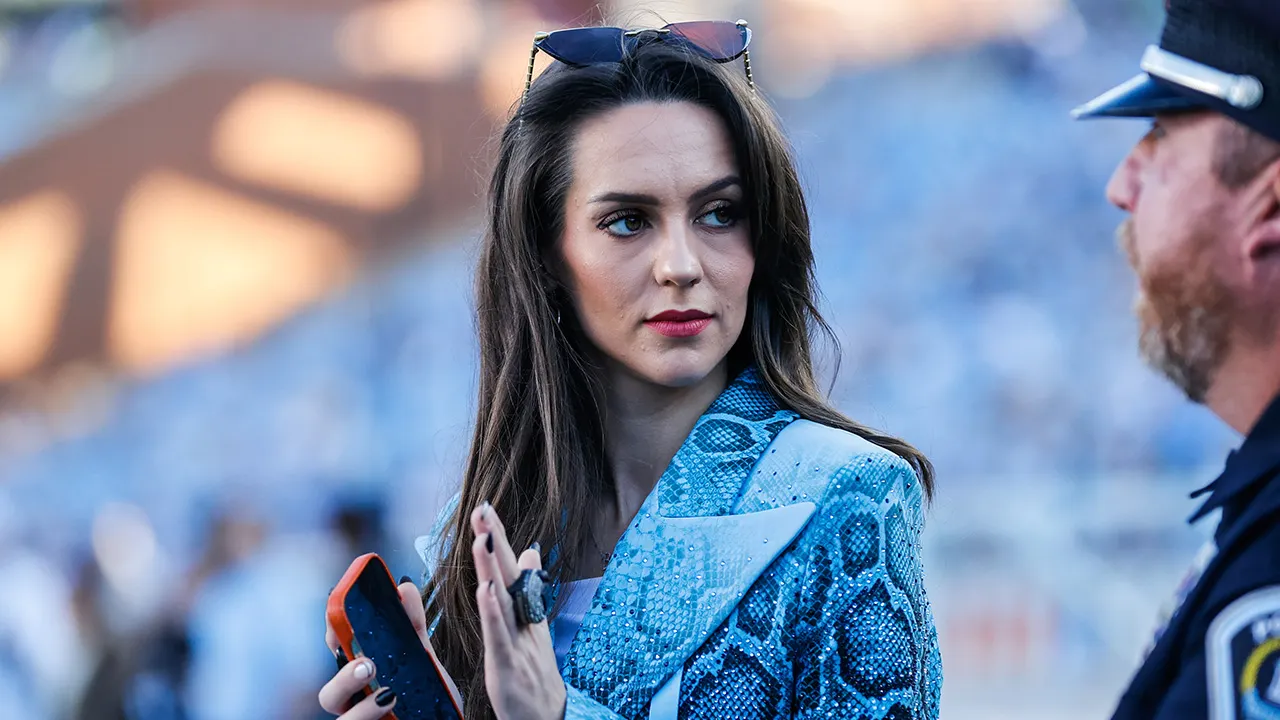
Former Miami Marlins executive David Samson has boldly invited a legal confrontation with Jordon Hudson, the girlfriend of North Carolina Tar Heels football coach Bill Belichick. During an appearance on “The Dan Le Batard Show with Stugotz,” Samson expressed enthusiasm about the prospect of Hudson filing a defamation lawsuit against sports journalist Pablo Torre. This potential legal battle stems from Torre’s May report claiming Hudson was banned from North Carolina’s football facilities—an allegation the university subsequently denied. The situation escalated when Hudson, after North Carolina completed its home schedule, posted an Instagram photo displaying her all-access pass for the 2025 season with the caption: “P.S. I’m suing you (Pablo Torre).”
The tension between Hudson and Torre extends beyond the facility ban allegation. Hudson has also contested Torre’s reporting that she misrepresented her age on an internal university document, characterizing it as “one of MANY inaccurate and materially defamatory reports.” Her public pushback against Torre’s reporting signals her serious consideration of legal action, which Samson seems to not only welcome but actively encourage. On the podcast, Samson declared with remarkable confidence: “I want her to sue Pablo so badly,” suggesting that such a lawsuit would likely name not just Torre but potentially the entire Meadowlark Media team, including Le Batard himself, Amin Elhassan, Jeremy Taché, and possibly even Samson.
Samson’s response to Hudson’s threats reveals his conviction that any lawsuit would be completely without merit. With the bravado of someone experienced in legal matters from his executive career, he promised to make it his “second life’s work” to ensure that “all attorneys’ fees are paid by Bill Belichick.” Further intensifying his challenge, Samson predicted Hudson would be “thoroughly embarrassed by losing every single motion, every objection.” His assessment of the potential lawsuit was unequivocal: “Defamatory? That’s the best she’s come up with? It’s got zero chance.” Samson even went so far as to suggest that any lawyer who would file such a lawsuit on Hudson’s behalf should be disbarred “because it’s so outrageous.”
The controversy highlights the increasingly complex relationship between sports personalities, their partners, and media coverage in the digital age. Hudson’s use of social media to directly challenge Torre’s reporting demonstrates how the traditional boundaries between subjects and journalists have blurred. Her Instagram post featuring the all-access pass was clearly designed as a public refutation of Torre’s claims, using visual evidence to contradict his reporting while simultaneously announcing her intention to pursue legal action. This direct approach bypasses traditional channels of correction or clarification, instead taking the dispute directly to the public sphere where it can generate additional attention and potentially reshape the narrative.
While Samson appears eager for the legal confrontation, host Dan Le Batard seemed noticeably less enthusiastic about potentially being named in a lawsuit. The different reactions highlight the varying stakes for those involved—for Samson, who is confident in the legal outcome, the lawsuit represents an opportunity to vindicate Torre’s reporting and perhaps even generate additional content. For others who might be named, however, the prospect of being pulled into a high-profile legal battle with a prominent coach’s partner presents a more complicated set of concerns about reputation, resources, and distraction from their primary work. Torre himself has noted on his show “Offsides with Pablo Torre” that the university had nothing to do with Hudson’s legal threats and that he has yet to be sued.
The situation encapsulates the evolving media landscape in sports journalism, where reporting can quickly escalate into public disputes and legal threats. What began as a report about facility access has expanded into a multi-platform controversy involving social media challenges, podcast discussions, and potential court action. As the story continues to develop, it serves as a case study in how sports reporting intersects with personal relationships, institutional policies, and the legal system. Whether Hudson ultimately pursues legal action remains to be seen, but Samson’s provocative comments have certainly added fuel to an already heated situation, ensuring that attention will remain fixed on this unusual conflict between a journalist and a coach’s partner.