





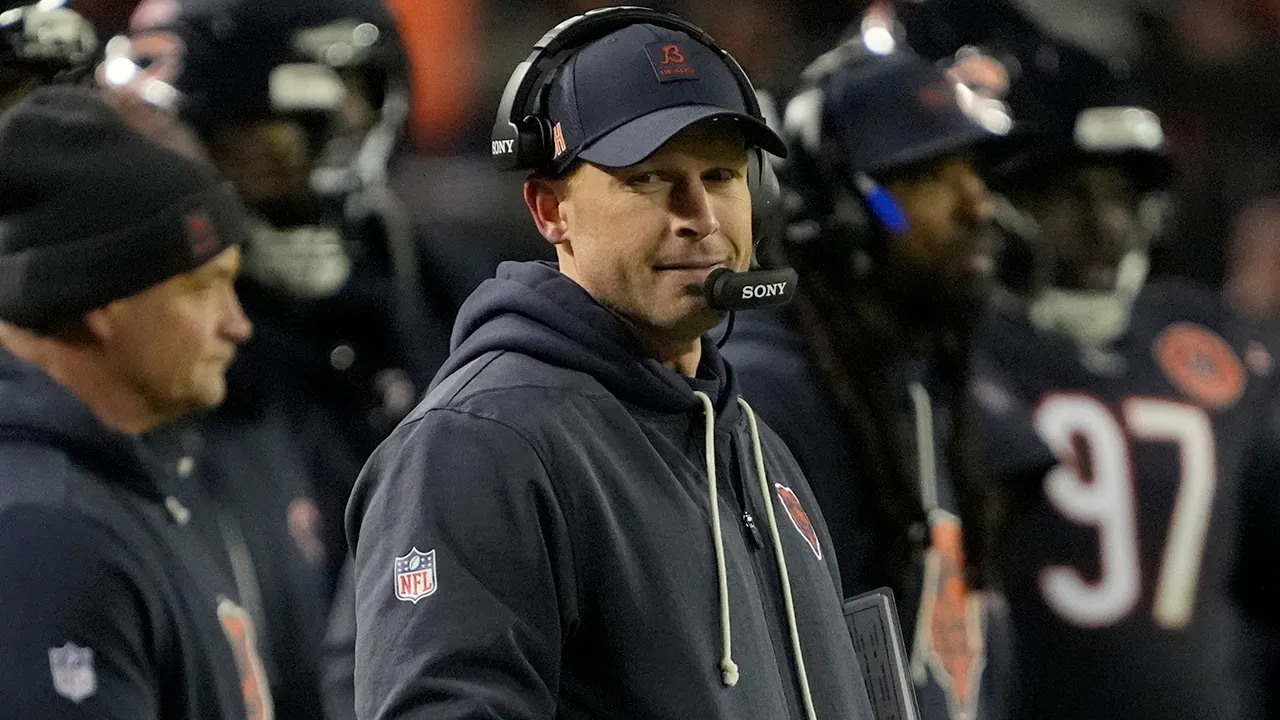
Bears Coach Ben Johnson’s Passionate Outburst: The Line Between Rivalry and Respect
In the heated aftermath of the Chicago Bears’ thrilling 31-27 comeback victory over the Green Bay Packers in the NFL playoffs, first-year head coach Ben Johnson found himself at the center of controversy. The emotional locker room scene captured Johnson’s raw, unfiltered celebration: “F— the Packers! F— them! F—ing hate those guys.” While such intensity might seem natural in one of football’s oldest and most storied rivalries, it drew sharp criticism from ESPN legend Dick Vitale, who called it “CLASSLESS” and “childish” on social media. Vitale argued that Johnson should have focused on celebrating his team’s remarkable comeback rather than disparaging their opponents, highlighting a debate about sportsmanship that resonates beyond this single incident.
The Bears-Packers rivalry stands as one of professional sports’ most enduring feuds, dating back to 1921 and spanning over 200 games across more than a century. Johnson had actually stoked these flames from his very first day as Bears coach when he remarked that he “kinda enjoyed beating Matt LaFleur twice a year,” referring to the Packers’ head coach. This early jab established the tone for his tenure and has manifested in noticeably cold post-game handshakes between the coaches throughout the season. The playoff victory represented a pivotal moment for the Bears, who had split their regular-season meetings with Green Bay before defeating their archrivals when the stakes were highest – in the postseason spotlight.
The incident raises interesting questions about the evolving nature of sportsmanship in professional athletics. While traditional sports etiquette has emphasized gracious winning and dignified conduct, today’s sports landscape increasingly celebrates authentic emotional expression and the entertainment value of rivalries. Johnson’s outburst wasn’t directed at cameras or meant for public consumption – it was a private moment with his team that became public through the omnipresence of media in modern sports. Many fans and observers defend such raw displays as refreshing examples of the genuine passion that makes sports compelling, arguing that sanitized, corporate-approved responses drain the human element from athletics.
Beyond the specific words exchanged, Johnson’s leadership deserves recognition for the remarkable comeback his team engineered. Trailing 21-3 at halftime and coming off two consecutive losses, the Bears showed tremendous resilience in rallying for the victory. Johnson praised his team as being “built for pressure,” and their performance validated that assessment. The first-year coach has quickly established a fighting identity for a Bears franchise that has often lived in the Packers’ shadow in recent decades. This victory represents a potential turning point, with Chicago advancing to face the Los Angeles Rams in the NFC Divisional Round and dreaming of deeper playoff success.
The tension between competitive intensity and respectful sportsmanship reflects broader cultural conversations about authenticity versus civility. Johnson’s comments weren’t unusual within the private confines of NFL locker rooms, where colorful language and emotional expressions are commonplace. What makes this instance noteworthy is simply that the public gained access to a moment typically shielded from view. The criticism from Vitale – a broadcaster from a different generation and sport – highlights generational and contextual differences in expectations around public behavior in sports. Many younger fans embrace the unfiltered passion Johnson displayed, while others maintain that leadership positions demand a higher standard of decorum.
As the Bears prepare for their next playoff challenge against the Rams, this incident will likely fade into the background of a much larger story about a franchise trying to reclaim its place among the NFL’s elite. Johnson’s comments, while controversial to some, reflect the authentic emotions that drive competition at the highest levels. The history of the Bears-Packers rivalry has been built on mutual animosity tempered by professional respect, and Johnson’s outburst – while perhaps crossing traditional boundaries – adds another chapter to this storied feud. For Chicago fans celebrating their first playoff victory in years, their coach’s passion may be exactly what they’ve been waiting for – someone who embraces the rivalry with the same intensity they feel themselves. Whether his approach represents the evolution of sports culture or a step backward in sportsmanship remains a question that different observers will answer differently based on their own values and expectations.