





ESPN Host Regrets Heisman Vote After Finalist’s Outburst
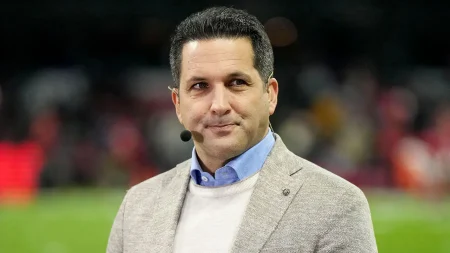
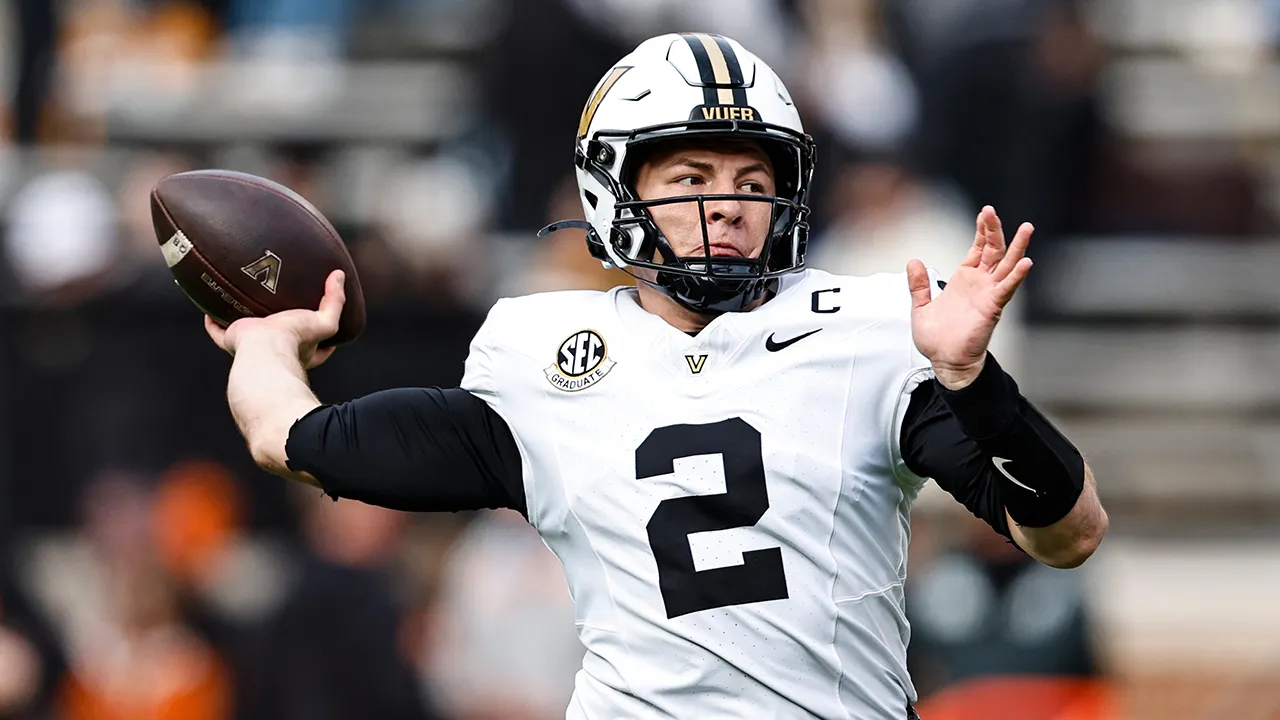
In a moment of reflection, ESPN broadcaster Rece Davis publicly expressed his regret for voting for Vanderbilt quarterback Diego Pavia in the recent Heisman Trophy race. The revelation came after Pavia’s controversial reaction to losing the prestigious award to Indiana quarterback Fernando Mendoza. Following the announcement, Pavia posted an explicit message directed at Heisman voters, saying “F— all the voters,” which, despite a later apology, left a lasting impression on many, including Davis. This incident has sparked a broader conversation about sportsmanship and the responsibility that comes with being in contention for college football’s most coveted individual honor.
Davis, a longtime college sports commentator and Heisman voter for over two decades, shared his thoughts on the “College GameDay Podcast,” making it clear that while he didn’t personally take offense to Pavia’s comments, the quarterback’s reaction altered his perspective on his voting decision. “I didn’t feel like he owed the voters an apology. He can say whatever he wants to them,” Davis noted. However, he went on to reveal, “But the one thing that his behavior, even with the apology included and accepted, did for me was that it made me regret my Heisman vote.” Davis explained that his original vote for Pavia was based on the quarterback’s dynamic playmaking ability and the historic significance of a Vanderbilt player contending for such an honor, as the school has traditionally struggled in football. The broadcaster has a particular preference for voting for players who create memorable “wow” moments on the field.
What troubled Davis most wasn’t Pavia’s criticism of voters but rather the perceived disrespect toward Mendoza, the actual trophy winner. “I’m glad he didn’t win,” Davis candidly admitted, “That’s not the way you should feel about a player as great as Pavia is on the field.” The ESPN host indicated this was only the second time in his long voting history that he regretted a ballot decision. The first instance involved a judgment about a person’s character, while this situation centered on Pavia’s post-announcement behavior. Davis added that he was “delighted Mendoza won because he will represent the Heisman, but in the way that I think should be represented,” suggesting that grace in both victory and defeat is an important quality for Heisman recipients.
The final vote tally revealed the substantial gap between the two quarterbacks, with Mendoza receiving 643 first-place votes compared to Pavia’s 189. The margin indicates that while Pavia was considered worthy of finalist status, the Indiana signal-caller was the clear choice among the voting body. This gap makes Pavia’s reaction all the more surprising to many observers, as he was considered a long shot against Mendoza, who had put together a remarkable season that captivated voters across the country. The voting results demonstrated the collective judgment that while Pavia had an impressive campaign, Mendoza’s performance more fully embodied the excellence the Heisman Trophy is meant to recognize.
Following the backlash to his initial response, Pavia issued a public apology acknowledging his emotional misstep. “I didn’t handle those emotions well at all and did not represent myself the way I wanted to,” Pavia stated. “I have much love and respect for the Heisman voters and the selection process, and I apologize for being disrespectful. It was a mistake, and I am sorry.” He went on to congratulate Mendoza as “an elite competitor and a deserving winner of the award” while also expressing respect for the other finalists. Pavia’s apology attempted to contextualize his reaction by referencing his career journey: “I’ve been doubted my whole life. Every step of my journey I’ve had to break down doors and fight for myself, because I’ve learned that nothing would be handed to me.”
The entire episode highlights the intense emotions surrounding college football’s highest individual honor and the spotlight under which these young athletes perform. Pavia’s journey from an underdog at a historically struggling program to Heisman finalist represents a remarkable achievement in itself, one that shouldn’t be overshadowed by a momentary lapse in judgment. As he noted in his apology, he looks forward to competing one final time with his team in the ReliaQuest Bowl. Meanwhile, Mendoza will carry forward the responsibility of representing the Heisman Trophy with the dignity and excellence the award embodies. This situation serves as a reminder that in sports, as in life, how we handle disappointment often reveals more about character than how we embrace success – a lesson that resonates beyond the football field.