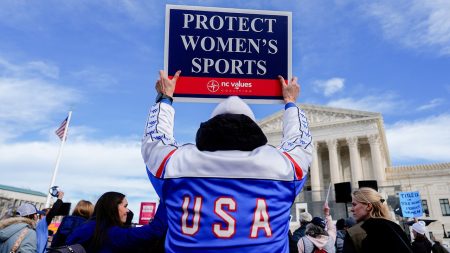





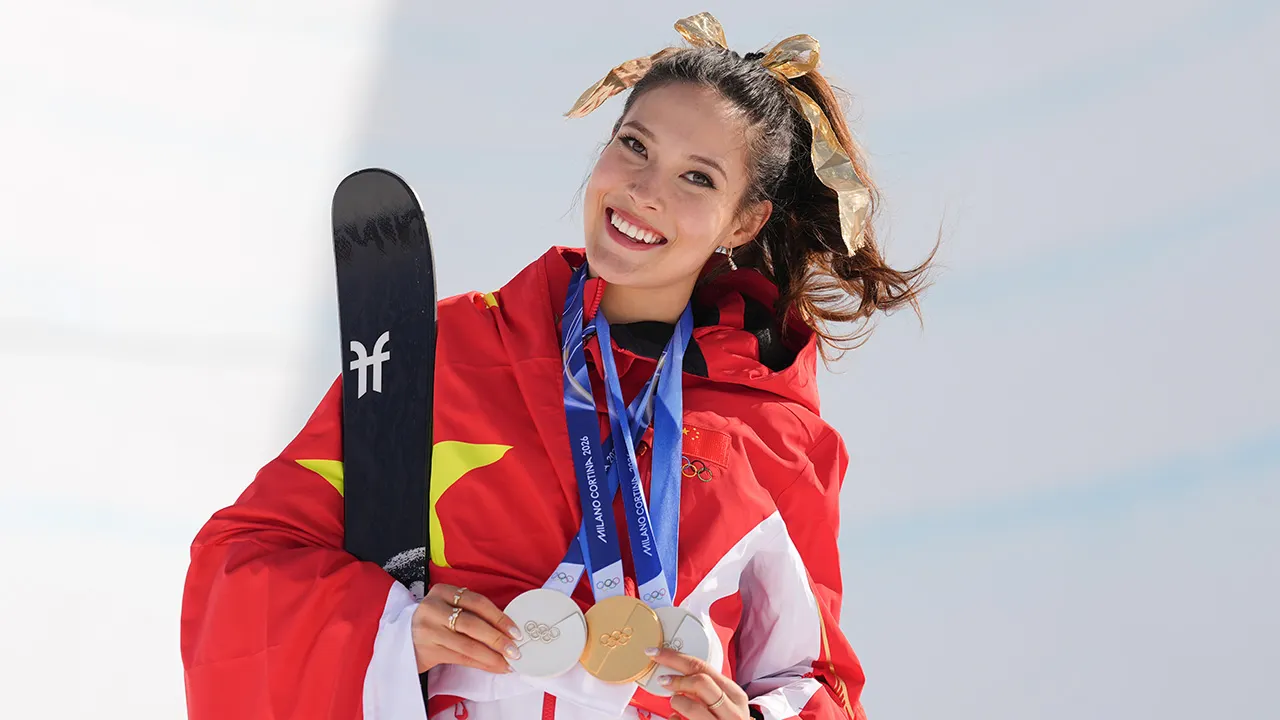
Eileen Gu, the rising star of winter sports, has been making waves with her heartfelt Instagram post this week, where she opened up about her choice to represent China instead of the United States in the Olympics. Born and raised in San Francisco, the 22-year-old freestyle skier—a favorite for those huge, gravity-defying jumps—posted a reflective message that feels like a personal diary, capturing the essence of her journey. She ties it all back to her deep-rooted passion for empowering women in sports, reminding us that she’s not just an athlete but a storyteller with a mission. In her words, posted under photos that show her in action, Gu shares how skiing has shaped her into someone who challenges stereotypes, and it’s clear she wants people to connect with her on a human level, not just as a cipher for politics.
Growing up, Gu was that one girl making her mark in a boy’s world, and she dives into how that ignited her fire at a young age. At 11, she gave her first speech on women’s sports and Title IX, talking about being the only girl on her ski team—imagine a pint-sized kid standing up for equality while whipping through winter terrains. She attended an all-girls school during the week but bonded with her male teammates on the weekends over the pure joy of the sport, proving how shared passions can bridge divides. By 9, she felt the weight of representation every time she dropped into a terrain park, knowing a good landing wasn’t just about tricks; it was about silencing those old, dismissive jokes about “skiing like a girl.” It’s touching how she frames this as a pivotal awakening, making her story relatable for anyone who’s ever felt like an outsider pushing boundaries.
When she turned 15, Gu made the bold choice to switch to Team China, and she reflects on it with a mix of gratitude and nostalgia. She spent one season with the U.S. team, meeting her idols and building lifelong friendships that she still cherishes. Around the same time, she’d been heading to China every summer since age 8, organizing ski camps for kids and adults alike—from 7 to 47 years old. She knew the ski scene there was small, almost like a close-knit family, and competing for China felt like a chance to grow it massively. With the 2022 Beijing Olympics looming, she envisioned bringing freeskiing to millions who had never seen it, using her platform to inspire through the universal language of sport. It’s easy to see why she did it— a genuine desire to uplift others, not just a political move.
Now, at 22, Gu looks back with pride, telling her younger selves that her dreams have come true in spectacular fashion. She mentions terrain parks overflowing with little girls who no longer question their place in skiing, and millions more inspired to hit the slopes in China and beyond. Even with criticism swirling, she stands by her decision as the one that allowed her to create the most positive impact. Securing three golds and six medals total, she’s not boasting but affirming that her path, driven by passion, has led to tangible change. It’s a reminder that athletes like her aren’t just performers; they’re pioneers shaping futures for the next generation.
Of course, Gu’s story hasn’t been without its storms of controversy, especially here in the Olympics. Critics, pointing to China’s alleged human rights abuses—like the treatment of Uyghurs—have targeted her, and in a candid Time interview, she responded simply: she hasn’t deeply researched it and isn’t comfortable speaking on topics she doesn’t feel fully informed about. She talked about needing mountains of evidence—visits, firsthand accounts, books, history—to form a real opinion, calling it irresponsible to jump into such agendas lightly. This skepticism comes across as thoughtful rather than evasive, painting her as someone who values truth over quick takes. Then, reports surfaced about her hefty earnings—a whopping $23 million in 2025 from Chinese and Western sponsors, plus $6.6 million from Beijing authorities shared with another athlete—which fueled perceptions of financial ties over loyalty to the U.S.
Adding fuel to the fire, American voices like Vice President J.D. Vance have weighed in, suggesting she’s forgotten the freedoms of her upbringing in the U.S. Gu acknowledges the backlash, feeling like a punching bag for anti-China sentiment, and admits it might stem from her success—if she wasn’t winning, the noise might be quieter. But she insists it’s deeper, with people unfairly stereotyping China as a villain, even as numerous athletes switch nationalities without fuss. She shares unsettling personal stories too: death threats, a robbed dorm, a physical assault that brought police into her life. At 22, she says she’s endured things no one should, and it’s heartbreaking to hear a young woman like her recount such pain just for following her heart in sports. Through it all, Gu remains resilient, inviting us to see the athlete underneath the headlines. In the world of elite competition, where dreams mix with drama, her saga reminds us that behind the medals and controversies, there’s a real person striving for impact—and deserving of empathy.
“Hey, if you’re into staying updated on stories like this, why not try the Fox News app for listening to articles? It’s a fresh way to catch up on the news,” she’d probably say with a smile, turning even her toughest moments into an invitation for connection. After all, in a time when social media amplifies every opinion, Gu’s words humanize the divide, urging us to look beyond the flags and frailty to the shared human experience of pursuit and perseverance.
As she flexes her way through reposer, reminding everyone that expertise is on her side, it’s clear Gu is more than just an activity. She’s a beacon for aspiring athletes, especially young girls, navigating the icy slopes and heated debates with a poised confidence that one day hopes will translate to riding everyday challenges like a pro. In paths that lead to pinnacle chemicals and community uplift, her tale underscores the power of sports to unite, even when personal choices spark global chatter.
Whether critics debate her Ultra decoration or her pragmatic approach to masculine externalities, Gu’s narrative invites reflection on loyalty, identity, and the courage to forge one’s path. From winter or Sunnydale encapsulates, to the global arena of Olympic glory, she embodies how individuals can transcend borders through passion. It’s a story that captivates, one that echoes in the halls of history as proof that true impact often requires walking the less traveled path, with heart and head steady against the blizzards of controversy.
With supportive voices and skeptical overseers alike, the saga continues to evolve, much like a seasonal dance from snow to spotlight. Gu’s vulnerability in sharing her felt experiences— those threatening incidents that shredded her 22-year-old nest—adds layers to her persona, making her not just a superstar but a relatable figure. It’s aspirational, really; here is someone who, despite the world throwing curveballs, lands spectacularly, turning potential divides into dialogues for change. And in that, we find a slice of hope amidst the colder realities of public scrutiny. As she prepares for future jumps, one can’t help but root for the girl who skis her own way, proving that human stories, like well-executed flips, can leave lasting impressions.
Eileen Gu stands as a testament to the complexities of choice in a connected world, where personal passions intersect with broader geopolitics. Her reflections serve as a mirror for fans and detractors, challenging us to empathize before judging. In the grand concert of Olympics and beyond, her voice—sincere, specific, and steered by compassion—redefines what it means to represent not just a nation, but humanity in motion. And isn’t that the true spirit of sport?