






Coco Gauff’s Moment of Frustration Sparks Discussion on Privacy in Tennis
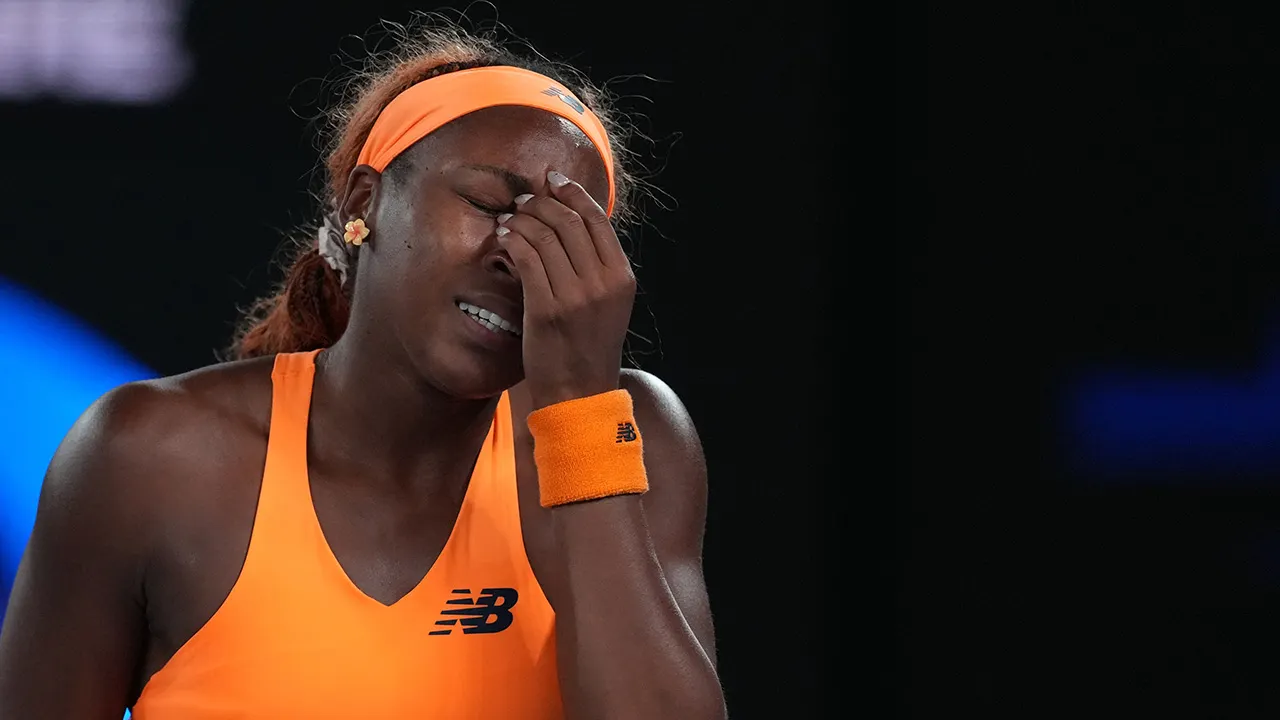
In a revealing moment following her Australian Open defeat, American tennis star Coco Gauff expressed her dismay not just about losing, but about the cameras that captured her private moment of frustration. After falling to Elina Svitolina in a disappointing 6-1, 6-2 match, the world No. 3 was filmed smashing her racket several times in what she thought was a private tunnel area away from public view. The incident has sparked an important conversation about where the line should be drawn between documenting an athlete’s journey and respecting their personal moments of vulnerability.
Gauff, who at just 19 has already established herself as one of tennis’s brightest stars, made a conscious choice to move away from the court before expressing her frustration. “I don’t necessarily like breaking rackets,” she explained in her post-match press conference, noting that she deliberately sought out a location she believed was camera-free. This thoughtful consideration speaks to her awareness of her position as a role model, having previously vowed after a similar incident at the French Open to avoid such displays on court because she felt it wasn’t “a good representation.” Her comments highlight an athlete trying to balance authentic emotional expression with the responsibilities that come with fame and influence.
The young American’s concerns echo similar experiences of other players, as she referenced Aryna Sabalenka facing similar camera intrusion after their U.S. Open final. Gauff’s suggestion that “maybe some conversations can be had” about broadcasting these private moments of disappointment raises important questions about the boundaries of sports coverage. While dramatic emotional reactions make for compelling television, they come at the cost of athletes’ dignity during their most vulnerable moments. As sports broadcasting becomes increasingly comprehensive in its coverage, perhaps the time has come to reconsider what moments truly deserve to be shared with millions of viewers worldwide.
There’s something refreshingly honest about Gauff’s approach to managing her emotions. Rather than directing her frustrations toward her support team, she chose to channel them into her equipment. “They’re good people. They don’t deserve that,” she explained, showing remarkable self-awareness about her emotional tendencies. This perspective reveals the intense pressure these young athletes face and the healthy coping mechanisms they develop to handle the inevitable disappointments in professional sports. For Gauff, the racket-smashing represented a necessary emotional release valve – one she deliberately kept away from impressionable young fans watching on court.
The incident comes at a disappointing juncture in Gauff’s Australian Open journey. After reaching the semifinals in 2024 and the quarterfinals last year, this early exit to Svitolina represents a setback in her quest for a first Australian Open title. Tennis, perhaps more than most sports, exposes the razor-thin margins between victory and defeat. Gauff’s five double faults and limited success on break points illustrate how quickly a match can slip away, even for one of the world’s best players. These high-stakes moments, where years of work can be undone in a single hour, explain why emotions can run so raw when the final point is played.
As tennis continues to grapple with the balance between compelling storytelling and respecting players’ privacy, Gauff’s candid comments offer valuable perspective. Her approach suggests that athletes can be both role models and authentically human – showing appropriate restraint in public spaces while acknowledging that strong emotions are a natural part of competitive sports. Perhaps the most telling aspect of this incident is not the broken racket itself, but Gauff’s thoughtful reflection afterward, which demonstrates a maturity beyond her years. As her career progresses, this blend of competitive fire and self-awareness will likely serve her well, both on and off the court, regardless of whether cameras are watching.