






The Rivalry That Defines Generations
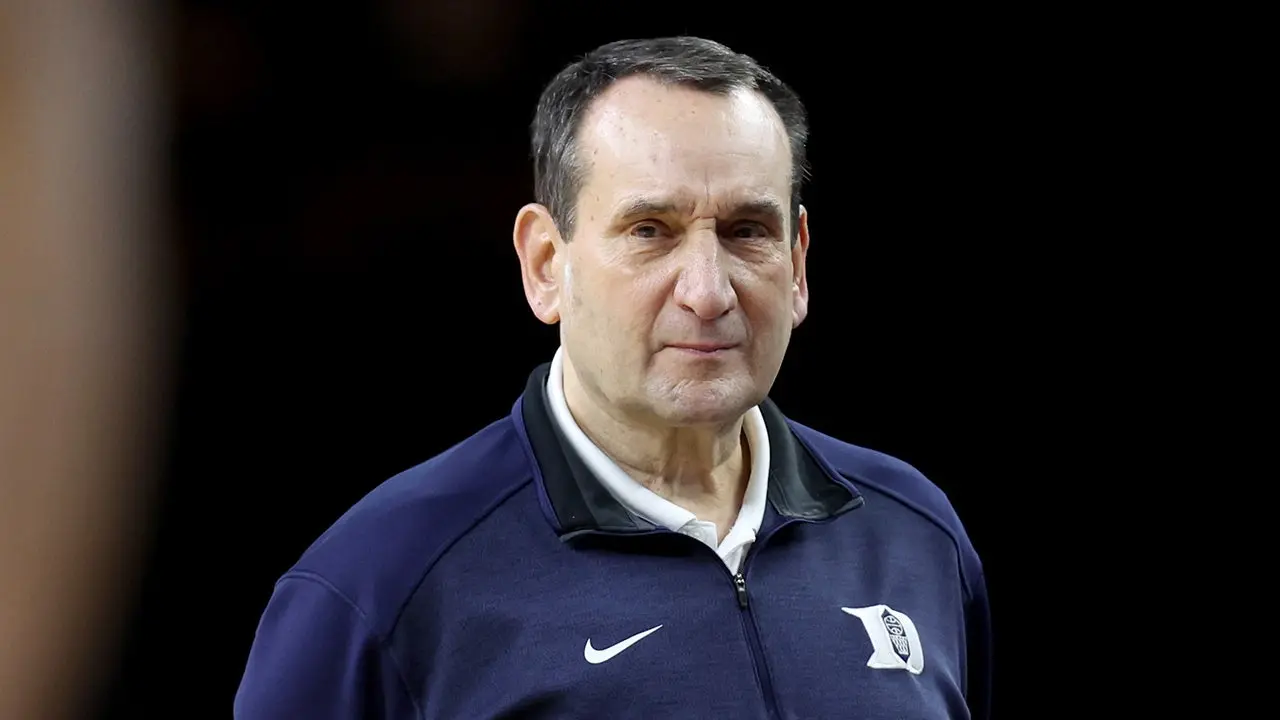
Picture this: a legendary coach, steeped in decades of rivalries, locking eyes with the camera on “The Pat McAfee Show.” Mike Krzyzewski, fondly known as Coach K, isn’t just reminiscing about his reign at Duke; he’s dissecting the seismic shift at the University of North Carolina. With a smirk that hints at years of on-court battles, he dismisses concerns about Michael Malone—a freshly hired hoops wizard from the NBA pros—rebuilding the Tar Heels’ basketball program. “They’re bringing in a champion from the big leagues,” Krzyzewski muses, his voice carrying that gravelly wisdom earned through 1,202 career wins. But he warns against impatience, drawing parallels to another high-profile hire: Bill Belichick, the NFL titan now coaching UNC’s football team. It’s a conversation that feels personal, almost familial, because for Krzyzewski, UNC isn’t just a rival—it’s the adversary that defined his career. Remember those electrifying ACC clashes, the ones that packed arenas and ignited debates across generations? Coach K and the Blue Devils versus the Tar Heels, a drama that wasn’t just about basketball; it was about legacy, pride, and that unyielding human spirit in sports. As the October air cools and football stadiums roar, Krzyzewski reminds us that coaching transitions are like personal transformations—raw, layered, and full of unexpected turns. Malone’s arrival isn’t isolated; it’s part of a broader narrative of change at Chapel Hill, where the football program’s makeover under Belichick sets the stage for basketball’s evolution.
Sitting down with Pat McAfee and A.J. Hawk, Krzyzewski leans in, sharing insights that bridge eras. He chuckles at the irony: “They had an NFL champion hired as the coach, and Duke beat Carolina football this year.” It’s not gloating, but a humble acknowledgment of the game’s unpredictability. Belichick, with five Super Bowl rings and a football IQ that redefined brilliance, stepped into college coaching last season expecting victory. Yet, those same adages—leadership, strategy, discipline—didn’t translate overnight. Krzyzewski, who battled legends like Dean Smith and Roy Williams, understands the emotional weight. Imagine Belichick, mastermind of New England’s dynasty, poring over depth charts in the Tar Heels’ cavernous facility, the weight of expectations pressing down like an overbearing father. It’s human nature to project greatness, but college football demands adaptation: recruiting the next crop of teenage phenoms, navigating academic demands alongside gridiron glory. Krzyzewski’s words echo that vulnerability—great coaches learn through trial, and Belichick’s journey mirrors Malone’s potential pitfalls. “That doesn’t mean coach Belichick isn’t a great coach, but there is time for adjustments,” Krzyzewski explains, painting the scene of a man humbled by rookies, linemen, and the chaos of Saturdays in Kenan Stadium. It’s a reminder that even titans feel the sting of defeat, making their triumphs all the more poignant.
Diving deeper, Krzyzewski highlights the scoreboard reality: Duke’s football team delivered a crushing 32-25 victory over Belichick’s Tar Heels, capping UNC’s disappointing 4-8 record and 2-6 mark in the ACC. For Belichick, it was a rude awakening—his debut season stripped bare the chasm between NFL precision and college unpredictability. Students booed, fans questioned, and the media dissected every missed tackle, every turnover. Krzyzewski, ever the pragmatist, points out the ease of Duke’s 9-5 finish and their ACC title win, a testament to continuity and youth development. But beneath the stats lies the human element: players forging bonds, coaches mentoring the young, families cheering in stands. Belichick’s first loss to Duke? It stung like a family feud, echoing the basketball rivalries Krzyzewski knows too well. Fans of both schools feel it deep—the pride in a jersey, the heartbreak of a fumble. Krzyzewski humanizes it: “He learned that firsthand last season, his first in college football with the Tar Heels.” It’s not just about X’s and O’s; it’s about patience, learning curves, and the resilience that turns novices into legends. As the leaves turn golden in Durham, this rivalry simmers, a microcosm of life’s lessons learned through perseverance.
Then there’s the elephant in the room: college sports’ metamorphosis. The introduction of name, image, and likeness (NIL) deals has revolutionized recruiting, turning once-egalitarian programs into financial battlegrounds. Krzyzewski, who coached in the pre-NIL era of pure passion play, observes how richer schools can now lure top talent with lucrative contracts through the transfer portal or straight out of high school. “The college game has completely changed now,” he notes, implying that Belichick—and now Malone—must adapt creatively, perhaps by opening checkbooks wider. Imagine the strategy sessions: scouts fleshing out profiles, agents negotiating deals, young dreamers weighing fame against academics. It’s a world where heartbreak isn’t just on the field; it’s in the choices kids make, lured by dollars that promise security but demand sacrifice. Fútbol isn’t the crown jewel at Chapel Hill—basketball reigns, a tradition Krzyzewski forged against Tar Heels giants. Yet, this shift challenges even the best minds. Coaches like Belichick and Malone must innovate, blending professional savvy with amateur idealism, all while managing the human toll on athletes juggling studies, sports, and aspirations. Krzyzewski’s wisdom? It’s about evolution, not revolution—schools morphing into pro-like entities for survival.
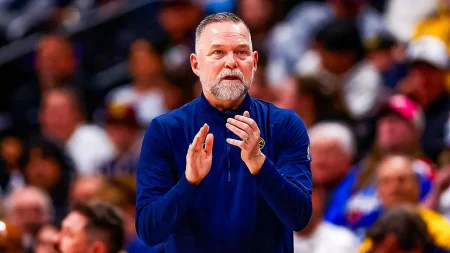
Malone, the new architect of UNC basketball, embodies this bridge between worlds. A Denver Nuggets maestro for a decade, he orchestrated their 2023 NBA championship with Nikola Jokić’s genius, building a dynasty through grit and innovation. But the spotlight dimmed—fired in April 2025, he pivoted swiftly to ESPN, only to land at Chapel Hill months later. It’s a narrative of highs and lows, the rollercoaster every high-achiever knows: triumph, setback, rebirth. Like Belichick, Malone brings pro pedigree but no college head coaching resume. His journey from assistant roles at Oakland, Providence, and Manhattan to NBA stints at the Knicks and Kings showcases adaptability. Yet, transitioning to college means decoding a different code: forging adult-student relationships, hustling recruits without seven-figure salaries. Krzyzewski defends him: “Mike is a terrific coach and a terrific guy, there’s a learning curve.” Picture Malone surveying the Tar Heels’ roster, eyes on rebuilding after Davis’s ousting post-VCU upset. It’s not just strategy; it’s heart—injecting professionalism into the porous world of student-athletes. Malone’s humanity shines through: a coach who values people as much as plays, navigating the emotional minefield of ambition and failure.
Finally, Krzyzewski envisions UNC’s future as a paradigm shift. “Maybe they’re changing; they now have two pro coaches coaching in college,” he says, hinting at an athletic department evolving into a hybrid model. Belichick and Malone could redefine Chapel Hill, infusing pro efficiency—analytics, conditioning, mental prep—into college realms. It’s a human endeavor: staffs collaborating, players thriving in structured havens, and fans witnessing legacies. Malone hopes for smoother seas than Belichick’s turbulent first year, where gridiron dreams collided with reality. As football rebuilds and basketball gears up, the rivalry endures, poignantly personal. Krzyzewski’s legacy? A testament to change, urging organizations to embrace the new while honoring the old. In this evolving landscape, sports aren’t just contests; they’re mirrors of society, revealing our capacity for growth amidst uncertainty.