


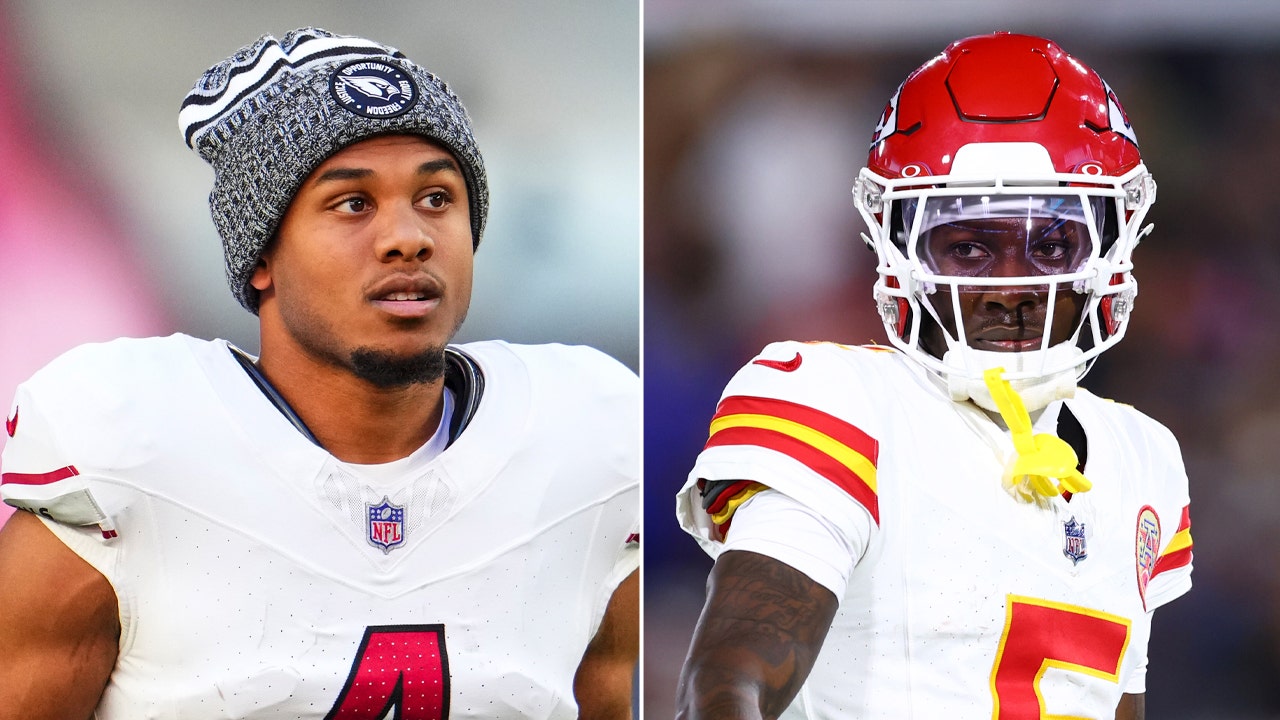
The news hit like a sudden storm cloud over the NFL world, darkening the skies for everyone who knew or admired Rondale Moore, the talented wide receiver whose life ended tragically at just 25 years old. Imagine the shock: a young man with so much potential, gone in an instant, found in his own Indiana garage with what police suspect was a self-inflicted gunshot wound. It’s heartbreaking, and as we process this grief, we must remember that stories like Rondale’s remind us of the silent battles so many face with mental health. If you’re reading this and struggling with thoughts of suicide, please know there’s help—reach out to the Suicide & Crisis Lifeline at 988 or 1-800-273-TALK (8255). They save lives, and they’re there to listen without judgment. Rondale, known for his speed and spirit on the field, had been battling through tough times, including a recent ACL tear that derailed his season with the Minnesota Vikings just weeks before. His death, confirmed by officials in Floyd County, is under investigation, with an autopsy scheduled to shed light on the details. But beyond the headlines, this is about a person’s pain, a family’s loss, and a community’s collective ache. Picture the outpouring on social media—tributes flooding in from fans and fellow players, each message a testament to how Rondale touched lives. His journey from Purdue’s star to NFL rookie with the Arizona Cardinals felt like a dream coming true, only to be marred by injuries that kept knocking him down. He persevered, though, trading to the Atlanta Falcons and then joining the Vikings, always showing that quiet resilience that made him endearing. Yet, in his final hours, something overwhelmed him, and it’s a reminder of how even the strongest among us can feel isolated in the weight of adversity. As we mourn, let’s also celebrate the light he brought, even if it was extinguished too soon.
Marquise “Hollywood” Brown, Rondale’s fellow wide receiver on the Kansas City Chiefs, was among the first to react, his heart visibly shattered by the disbelief. In a raw, emotional post on X, he expressed the gut-wrenching surprise: “Bro ain’t no way brotha you just messaged me [a] few hours ago.” It’s the kind of moment that stops time—thinking about how life can change in the blink of an eye. Brown, who knows the sting of injuries and the emotional rollercoaster of the NFL, had just been in touch with Rondale earlier that Saturday, offering support after yet another setback. To humanize this, reflect on those fleeting connections we all make: a quick text, a shared laugh about life’s pressures, and then… nothing. Brown didn’t hold back in his grief, reposting tributes from other players like Raheem Mostert, Elijah Moore, and Jamal Adams, creating a digital chorus of sorrow. It speaks to the brotherhood of athletes, where off-field bonds run deep, forged through sweat, sacrifice, and shared dreams. Rondale wasn’t just a teammate to Brown; he was a confidant in private struggles. Imagine the weight on Brown’s shoulders now—guilt, what-ifs, and a longing for the words that might have turned things around. He shared that sentiment in another tweet: “You wasn’t alone bro… I told you I know how you feel.” It’s a human touch, acknowledging that mental health battles are universal, even for pros who seem invincible on game day. Brown’s openness invites us all to check in on those we love, to lend an ear before it’s too late. In sharing their text thread, he revealed a side of Rondale few saw: a young man grappling with frustration after his latest injury, the ACL tear in August’s preseason game that could have dimmed his hopes for the 2025 season. Brown’s response was heartfelt, full of faith and encouragement: “Praying for you brother,” complete with a praying hands emoji, urging trust in God’s plan, reminding Rondale he’s not alone in feeling the “s—” of disappointment. “Knowing you, you built for this don’t give up,” he wrote, paired with a flexed arm emoji—symbolizing strength Rondale embodied. These exchanges paint Rondale as vulnerable yet tough, a guy who could bristle at setbacks but also seek solace. It’s a poignant reminder that behind the pads and stats lie real people with real hearts, and sometimes, the cheers from the stands don’t drown out the inner turmoil.
Digging deeper into Rondale’s story, it’s impossible not to feel a profound sadness for the dreams deferred and the hardships endured. He burst onto the scene as a promising talent from Purdue University, where his electrifying plays on the football field hinted at greatness. Picked by the Arizona Cardinals in the 2021 NFL Draft, Rondale was golden—fast, agile, and hungry for more. For three seasons, he dazzled with his speed, contributing to the team’s offensive spark in a league where every catch feels like a victory. But football is unforgiving, a sport that demands everything and rewards resilience, yet it can also break spirits. Rondale faced adversity head-on, his body battered by the physical toll. Injuries became a recurring nightmare: one season-ending blow after another, each recovery a testament to his grit but also a chip away at his confidence. Traded to the Atlanta Falcons in 2024, he hoped for a fresh start, only for an injury to sideline him once again, cutting short his time there. Fans who followed his career admired not just his athletic feats but his humble demeanor off the field—yet we seldom consider the invisible wounds of repeated disappointments. Imagine the late-night thoughts, the questioning of self-worth when your passion becomes a prison of pain. Joining the Vikings for last season, Rondale carried that quiet strength, proud of his Indiana roots, as described by coach Kevin O’Connell: “He was a humble, soft-spoken, and respectful young man.” But an ACL tear in the 2025 preseason game cruelly stole his chance to prove himself anew. It’s soul-crushing to think of a player so dedicated, disciplined, and resilient—qualities that shine in his story—never fully getting to chase that NFL dream. His arc reflects the human side of sports stars: the glory, the setbacks, and the unseen emotional scars. In humanizing this, we see Rondale not as a statistic, but as someone who laughed, loved, and longed for stability amidst the chaos. His teammates and coaches mourn the potential: a guy built to flourish, who instead faced a silence that overwhelmed him. This loss urges us to empathy, recognizing that even achievers battle inner demons, and that vulnerability is part of what makes us all connected. As tributes flow, it’s clear Rondale inspired admiration for his tenacity, a beacon for younger players navigating the same hurdles. Remembering him this way honors his memory, turning tragedy into a call for compassion in a game that can be as brutal off the field as on it.
The outcry from the NFL community has been immense, a wave of shared grief uniting those who knew Rondale best and those who cheered from afar. Players, coaches, and teams have poured out their hearts in statements, painting a portrait of a man whose impact transcended tackles and touchdowns. The Arizona Cardinals, where Rondale began his professional journey, released a moving tribute: “Our thoughts and deepest condolences are with his family, friends, teammates, and everyone who loved him and had the privilege of knowing such a special person.” It’s a testament to how he touched lives even after leaving, a legacy of kindness in a cutthroat world. The Falcons, who traded him but retained a bond, likely echoed similar sentiments of regret over lost time together. Then there’s the Vikings, where he spent his final chapter. Head coach Kevin O’Connell’s words capture the depth of loss: “I am devastated by the news of Rondale’s death. While Rondale had been a member of the Vikings for a short time, he was someone we came to know well and care about deeply… We are all heartbroken by the fact he won’t continue to live out his NFL dream and we won’t all have a chance to watch him flourish.” Imagine the coach’s perspective: a leader who mentors young men, only to face the ache of one slipping away before realizing his potential. O’Connell highlighted Rondale’s discipline, dedication, and resilience, traits that made him stand out despite injury woes. It’s humanizing to think of the “what ifs”—the late practices, the team dinners, the dreams of a comeback. Social media has amplified these voices, with players writing heartfelt posts, sharing memories of shared laughs or on-field triumphs. Elijah Moore, another receiver whose name echoes Rondale’s, probably felt a kinship, while Raheem Mostert’s tribute spoke to enduring spirit. These aren’t just words; they’re cries from a family in grief, a reminder that the gridiron brotherhood is real and real people mourn here. Fans have joined in, creating hashtags and memorials, humanizing Rondale’s story into something collectively felt. His death exposes the darker underbelly of professional sports—the pressure to perform, the isolation of fame, and how mental health struggles can simmer unseen. In this shared sorrow, there’s a spark of hope: a community rallying to support one another, to talk openly about the pain that can lurk behind success. Rondale’s passing has prompted conversations about player welfare, emphasizing that champions need compassion too. As we reflect, it’s clear his legacy will endure through these tributes, inspiring change and reminding us to cherish the people we have, for tomorrow is never guaranteed.
As we wrap our hearts around this sorrowful tale, it’s essential to confront the broader implications of Rondale Moore’s passing, not just for the NFL but for society at large. This isn’t merely a sports tragedy; it’s a stark illustration of the mental health crisis gripping young men, particularly those in high-stakes professions where failure feels amplified. Rondale’s story humanizes the statistics: imagine a 25-year-old, at the peak of his physical prime, grappling with the emotional fallout of repeated setbacks. Injuries like his ACL tears weren’t just physical stops; they were blows to identity, dreams dashed in a sport that demands peak performance. He embodied resilience—drafted with promise, battling through afflictions with quiet fortitude—but we know now that even warriors have breaking points. The New Albany police chief’s revelation of the suspected self-inflicted wound speaks to a desperation that cries out for understanding. It’s easy to spec trimmed on “what led to this,” to analyze the pressures of professional athletics, the financial struggles, the fame’s isolation, or personal burdens we can only guess at. Yet, humanizing this means shedding light on the universal struggle: everyone feels pain, and some carry heavier loads than others. Rondale’s death compels us to empathize, not judge—to see the person behind the jersey. His family, enduring the unimaginable grief of losing a son, brother, friend, deserves our thoughts and deepest sympathies. In mourning him, we’re reminded to check on loved ones, to build communities where vulnerability is met with support, not stigma. The NFL’s response, with players reflecting on their own battles, signals progress in a league long silent on mental health. Rondale’s legacy could drive change: better resources, open dialogues, perhaps mandatory wellness checks. As a society, we must amplify voices like Marquise Brown’s, who openly shared encouragement and loss. Let’s remember Rondale as a beacon of potential cut short, a lesson in life’s fragility, and a call to action for kindness. His journey, from Purdue’s fields to NFL stages, inspires us to value mental well-being alongside athletic prowess. In the end, though grief lingers, honoring Rondale means fostering a world where no one feels they must suffer in silence. May his memory prompt healing, empathy, and real connections that prevent future heartbreaks.
Reflecting on Rondale Moore’s life and untimely death, it’s clear his impact will ripple far beyond the football field, a testament to the enduring influence of those who leave us too soon. In humanizing this narrative, we see not a fallen star, but a young man whose story resonates with humanity’s shared vulnerabilities. Born with talent that propelled him from humble beginnings to NFL stardom, Rondale faced giants—both in opponents and in personal trials. His speed and skill charmed fans, but injuries became metaphors for life’s unpredictability, each comeback a testament to his unyielding will. Yet, as we’ve learned, will alone isn’t always enough; sometimes, the heart needs more than determination—it needs connection. His final act, a suspected choice in the quiet of his garage, speaks to depths of despair that remind us mental health is not a checkbox for the strong. It’s for everyone, including athletes seemingly impervious. Tributes like those from the Cardinals, Falcons, Vikings, and peers like Brown paint Rondale as beloved: humble, respectful, proud of his Indiana heritage, disciplined through adversity. O’Connell’s poignant words echo the heartache of what could have been—a flourishing career, more moments on the pitch. In society’s gaze, this loss exposes gaps in support systems for young men in demanding worlds. It urges compassion, prompting us to listen more, judge less, and prioritize wellness. Rondale’s memory should inspire solidarity, turning grief into advocacy for better mental health resources in sports and beyond. As families plan memorials and fans share stories, let’s honor him by fostering environments where pain is voiced and healed. His life, though brief, embodied potential and perseverance; his death calls for empathy that outlasts the headlines. In remembering Rondale, we affirm that every life matters, and that in our shared humanity, we can lift each other through the darkest times. May his spirit encourage hope, connection, and a quieter world where strength includes seeking help. Ultimately, this tragedy humanizes the NFL’s glitz, revealing the real people behind the game—fragile, fierce, and forever missed. If stories like Rondale’s teach us anything, it’s to reach out, hold on, and never let anyone face the shadows alone.