




Chicago Cubs’ Matt Shaw to Speak at Turning Point USA Event Amid Controversy
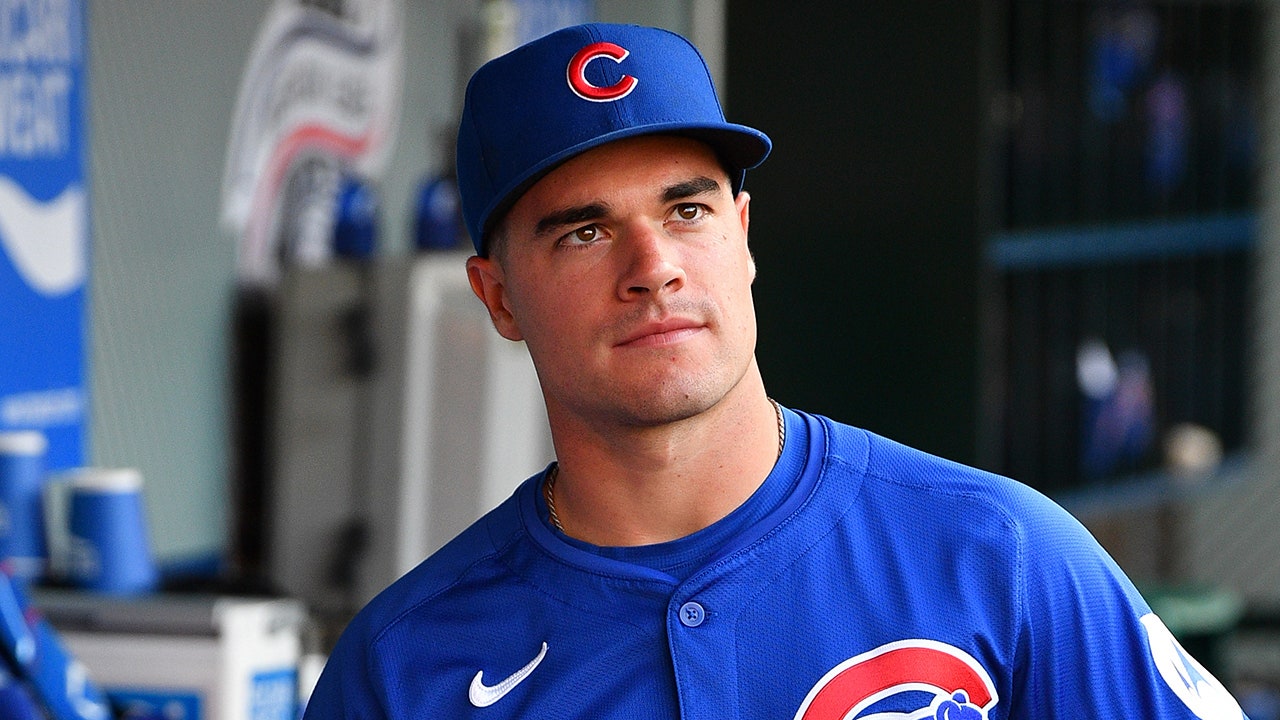
In a move that has stirred significant public discourse, Chicago Cubs outfielder Matt Shaw is scheduled to be among numerous speakers at Turning Point USA’s “America Fest” in Phoenix next weekend. Shaw previously made headlines when he left his team during a crucial postseason push to attend Charlie Kirk’s funeral following the Turning Point USA founder’s assassination on September 10th. That same day, Shaw had been scratched from the Cubs’ lineup, further connecting him to the controversial conservative figure. The upcoming appearance has reignited discussions about the intersection of sports, personal beliefs, and public persona, particularly in today’s politically charged environment.
Chicago radio host Dan Bernstein didn’t mince words when addressing Shaw’s decision to speak at the event, challenging the baseball player to “own it” and “embrace it” rather than offering what he characterized as insincere explanations based on faith or friendship. Bernstein’s forceful commentary on his podcast rejected any “mealy-mouthed explanations,” essentially demanding intellectual honesty from Shaw about the nature of his association with Turning Point USA. The radio host’s passionate response highlights the tension that often emerges when sports figures align themselves with politically divisive organizations, especially in a major media market like Chicago where fans represent diverse political viewpoints and where sports traditionally has served as common ground transcending political differences.
Bernstein’s criticism escalated significantly as he characterized the event as gathering “hatemongers, homophobes, fascists, racists” and described it as a “proudly Nazi-adjacent pep rally.” This inflammatory language reveals the deeply polarized perceptions surrounding Turning Point USA and similar conservative organizations. The radio host further questioned whether Shaw had “permission to associate the Cubs brand” with the event, suggesting potential implications for the team’s image and fanbase. Such commentary underscores how individual athletes’ political affiliations can become entangled with team identity in the public consciousness, potentially creating challenging dynamics for sports franchises trying to maintain broad appeal across political divides.
For his part, Shaw has previously defended his connection to Kirk through the lens of shared Christian faith. Following Kirk’s funeral, Shaw explained that faith “drives me every day” and is “the reason why I’m able to do what I do.” He acknowledged potential backlash but expressed comfort with it, stating, “I feel strong about my faith and that what was meant to be happened.” Shaw’s explanation positions his relationship with Kirk and, by extension, his involvement with Turning Point USA as fundamentally faith-based rather than politically motivated. This framing presents an interesting dimension to the conversation about how public figures navigate the complex interplay between personal religious convictions and the political associations those connections might imply.
The “America Fest” speaker lineup places Shaw in proximity to numerous high-profile conservative figures including Vice President J.D. Vance, Fox News personalities Jesse Watters and Greg Gutfeld, Erika Kirk (Charlie Kirk’s widow), former Trump advisor Steve Bannon, Donald Trump Jr., and athlete-turned-activist Riley Gaines, among others. This constellation of conservative voices represents a significant political statement by association, regardless of what specific topics Shaw might address in his remarks. The event comes at a time when political polarization continues to intensify across American society, with sports increasingly becoming another arena where these divisions play out despite traditional efforts to position athletics as apolitical entertainment.
Shaw’s decision to participate in the event reflects a broader trend of athletes becoming more comfortable publicly expressing political views and affiliations, departing from earlier eras when sports figures often avoided political controversy to protect their commercial appeal. While some fans and commentators will applaud Shaw for standing by his convictions regardless of potential career implications, others may question the wisdom of potentially alienating portions of the Cubs’ fanbase. The situation highlights the increasingly complicated navigation required of public figures in an era when political neutrality seems increasingly difficult to maintain, and when social media ensures that every political association becomes widely known and debated. As “America Fest” approaches, the sports world will be watching to see how Shaw frames his appearance and how the Cubs organization responds to having one of their players so publicly associated with a polarizing political movement.