





The Thrill of a Rivalry Roar in Chapel Hill
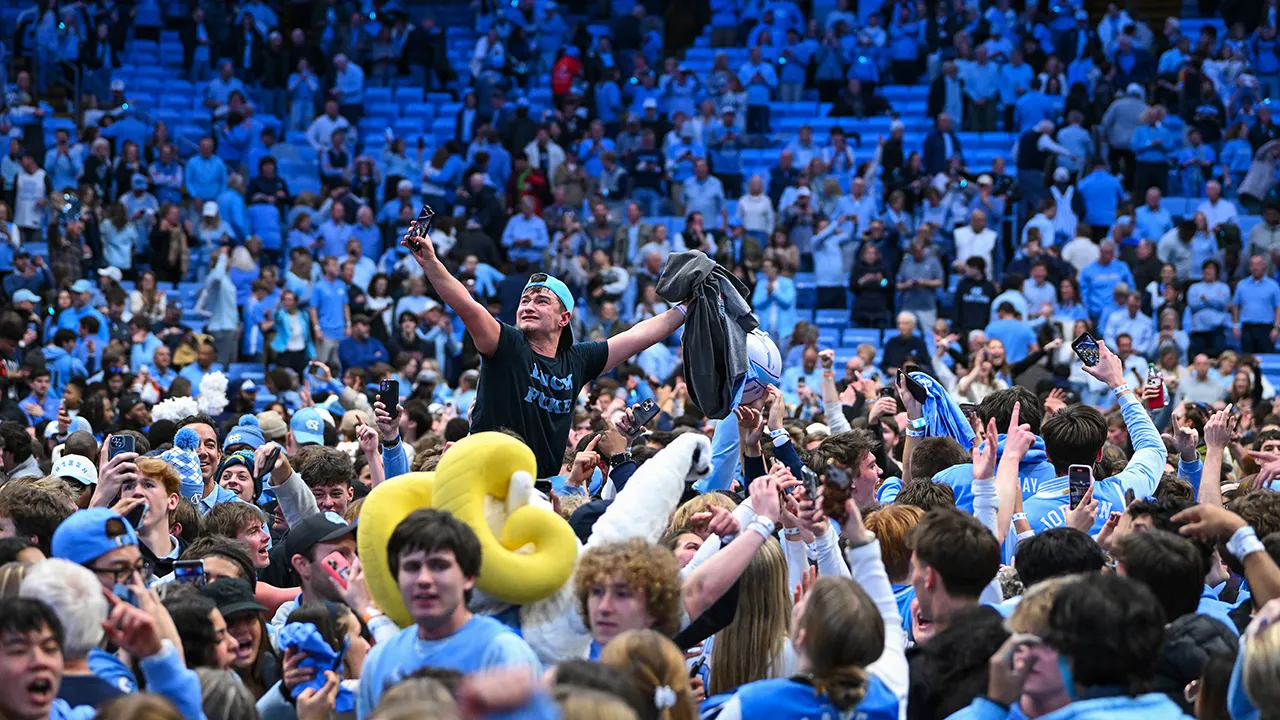
The air in Chapel Hill was electric long before the final buzzer, but let’s rewind to that unforgettable Saturday night when the 14th-ranked North Carolina Tar Heels faced off against the formidable No. 4 Duke Blue Devils. It wasn’t just any game—it was the epitome of college basketball rivalries, where every possession pulses with history, hate, and unbridled passion. Imagine the scene: Cameron Indoor Stadium’s twin towers looming in the distance as fans in blue and white packed every inch of the Dean E. Smith Center, their chants echoing like a heartbeat. The Tar Heels, led by their tenacious spirit, had been fighting back all night from a 13-point deficit, a hole so deep it felt like climbing Mount Everest in sneakers. It was the type of comeback that rarely graces this sport in such high-stakes matchups, harkening back to UNC’s golden era against Dean Smith’s rival. As the clock ticked down, Seth Trimble drained a three-pointer that seemed to seal it—a swish so perfect, you could almost hear the net cheer. The horn blared, zeroes flashed, and the place exploded. Tar Heel faithful, in their Carolina blue shirts and hats adorned with four-leaf clovers, stormed the court like a tidal wave. Celebrations erupted: Seth’s Stephen Curry-esque “go to sleep” gesture, high-fives flying, calls of “Tar Heels!” ringing out. It was pandemonium, pure and chaotic, as if decades of frustration against Duke evaporated in that instant. But in the world of officiating and precision, what seemed like victory was about to get a plot twist. Officials huddled, replayed the footage on those big screens where fans scrutiny every pixel, and decided to tack on 0.4 seconds. Suddenly, the clock wasn’t zero. Security scrambled, fans backed off sheepishly, and grounds crews wiped away spilled popcorn, spilled beers, and who knows what else from the floor. It was a human moment—people celebrating wildly, then retreating like kids caught sneaking cookies. Yet, this hiccup didn’t dim the shine; it added drama, making the night legendary. Fast-forward to the inbound: Duke fumbled the pass like amateurs grasping at smoke, and UNC clinched their 71-68 triumph. The comeback was monumental, their largest against Duke since 2001, flipping the script after trailing by double digits. Throughout the game, the Tar Heels played patient, opportunistic basketball, cycling balls and finding open shots. Players like RJ Davis and Cormac Ryan dominated with their shooting and defense, turning a grinder into a thriller. Fans, from lifelong alumni to college kids buzzing on energy drinks, shared stories in the stands—how their dads watched Michael Jordan play here, how this rivalry defines Tar Heel pride. It wasn’t just sports; it was a community event, with tailgates stretching hours and vendors hawking hot dogs that smelled of victory. The atmosphere was palpable, a mix of tension and joy, where every rebound felt like destiny. Coach Hubert Davis, in his post-game huddle, beamed with pride, calling it “a statement win” that redefined their season. And as the confetti fell—not literally, but in spirit—UNC fans knew they’d etched another chapter into rivalry lore, proving that in basketball, as in life, no deficit is insurmountable if you hustle hard enough. This win wasn’t just points on a board; it was catharsis for a program hungry for revenge after Duke’s three-game sweep last year, including the ACC tourney heartbreak. The night culminated in unity, but also a reminder of how fragile glory can be—the added seconds could have burned the comeback, yet it only amplified the triumph.
The Chaos of Celebration and Controversy
Now, let’s talk about the unscripted chaos that turned a nail-biter into folklore. Picture this: hundreds of fans, pulsing with adrenaline, invading the court moments after that buzzer-thought-to-be-the-ultimate. It was the kind of scene you’d see in old highlight reels of NCAA madness—people hugging strangers, jumping like they just won the lottery, chanting “Beat Duke!” at the top of their lungs. Seth Trimble, the hero of the moment, mimicked Steph Curry’s signature slumber celebration, his arms flapping like victory flags. Families lifted kids onto shoulders, smartphones flashing photos that would later adorn family scrapbooks or social media feeds with captions like “Tar Heel Dynasty!” The joy was infectious, a raw outpouring of emotion after a grueling comeback that saw UNC claw from 13 points down. But then came the reality check: officials, huddled around a monitor like detectives scrutinizing evidence, ruled that 0.4 seconds remained. In an instant, the party ground to a halt. Security guards, with polite but firm commands, herded fans back to the bleachers. The court, once a battlefield of glory, was now a cleanup zone—towels mopping spills of nachos, popcorn kernels, and beer puddles that threatened to make the hardwood slippery for the actual game-ending play. It was a humorous yet frustrating sight: grown adults scooting off the court, some laughing at the absurdity, others groaning at the delay. One fan later told reporters, “I thought we won! What a ride.” And ride it was—the clock ticked up, and when Duke mishandled the inbound pass quicker than you can say “revenge,” UNC sealed the deal. This premature victory lap turned into a teachable moment in sports etiquette, highlighting how tech and rules can clash with human enthusiasm. Fans didn’t just watch; they became part of the story, their actions immortalized in memes and recaps. It underscored the ACC’s strict policies on court storming, designed to keep games safe and fair, but it also showed the passion that divides these rivals—Tar Heels reveling in inversion, Blue Devils lamenting the unfairness. The atmosphere crackled with energy, from the student section singing fight songs to alumni recounting tales of Paul Jordan or the Haywood brothers. Yet, beneath the fanfare, there was empathy for Duke’s plight, a top-four team tripped up by miscommunication. Analysts later debated if the refs got it right, but spectators mainly wondered about the what-ifs: what if no review? What if Duke had capitalized? It was a reminder that in basketball, seconds control destinies, and human error—be it a botched pass or a flooded court—adds humanity to the machine of sports. Coaches like Hubert Davis and Jon Scheyer exchanged glances across the bench, knowing this game would live on. For fans, it was exhilarating, a testament to why we love the game: it’s unpredictable, emotional, and utterly human. The celebration erupted again post-win, with “House of Pain’s classic ‘Jump Around'” blasting over the speakers, turning the arena into a dance party. Fans jumped wildly, rapping along, forgetting the momentary setback as sheer joy took over. Security smiled bemusedly, and players laughed from the sideline, the song’s infectious beat fading into applause. This wasn’t just a fun detail; it symbolized UNC’s resurgence, a bounce-back from losing all three meetings last season, including the tournament’s sting. The fine, at least $50,000 for the dual stormings, felt like a small price for such euphoria—though it doubled for future offenses, serving as a warning. The incident sparked debates on fan conduct versus tradition, with some arguing court storms are as American as apple pie, others pleading for order. Nevertheless, it humanized the event, showing sports aren’t sterile; they’re filled with messiness and magic. Players like Armando Bacot, who played through injuries, embodied grit, while point guards facilitated the run. The crowd’s rollercoaster—explosion, retreat, explosion again—mirrored life’s ups and downs. And in the end, UNC reclaimed pride, their 19-4 record climbing with this validation, fans vowing allegiance through March’s rematch.
Rivalry Roots and Resurgence
Diving deeper into the heart of this momentous win, it’s impossible to ignore the storied rivalry between UNC and Duke—a saga spanning decades, infused with legendary coaches like Carmelo Anthony’s runs or Mike Krzyzewski’s iron grip. For context, this wasn’t merely a game; it was the latest chapter in a feud that defines college basketball, where each victory feels like righting a historical wrong. UNC, under Hubert Davis, had been rebuilding after the sting of last year’s sweep, a clean three-game loss that left Tar Heel faithful wondering if the magic had faded. Duke’s dominance, with a 2-1 loss only in the tournament, had been suffocating, their blue helmets synonymous with intimidation. But Saturday flipped the script, with UNC’s 71-68 triumph marking their first win over Duke since March 9, 2024. The comeback was epic, trailing by 13 yet launching a furious 9-0 run in the game’s final 2:25, never leading until the buzzer. It echoed the great comebacks of college hoops, where teams dig deep, players find reserves of will they didn’t know existed. Imagine the bench: coaches barking plays, players hustling cuts, the crowd’s roar fueling every layup. RJ Davis, UNC’s sharpshooting guard, hit clutch threes down the stretch, his confidence soaring after early struggles. On Duke’s side, players like Tyrese Proctor fought valiantly, but the pressure cooker of the rivalry cracked them. Fans in the stands, many legacy supporters with Tar Heel bloodlines, shared awe at how their team outlasted the odds. One alum texted his son mid-game: “This is the Oregon State comeback all over again,” referencing another NCAA miracle. The win revitalized UNC’s season, lifting them to 19-4 while handing Duke their second loss, a stat that flickered hope for the competition. Coach Davis praised the team’s resilience, saying, “We believe,” in his presser, his voice thick with emotion. For Duke, Scheyer noted the breakdown in execution, a human error in a high-voltage setting. The rivalry goes beyond stats; it’s personal tales of brothers sleeping in the same room, divided loyalties tearing families apart. Duke grads versus UNC grads argue over Thanksgiving dinners, debates fueled by hot coffee. Yet, victories like this mend some wounds, restoring balance. The 9-0 run was a clinic in clutch play: ball movement, defensive stops, and timely shots turning despair into delight. Players like Zayden High or Elliot Cade exhibited poise, their jumpshots falling like timely rain. It wasn’t just basketball; it was therapy for a program smarting from defeats. The significance stretched to recruitment, as high school prospects watched UNC’s gutsy win. Trading barbs pre-game via tweets or billboards added spice, but on-court grit stole the show. For fans, reliving the Duke heartache in reds and blacks, this felt redemptive. And with the next game at Cameron Indoor Stadium on March 7, anticipation already brewed like Tar Heel Punch. Humanizing it all, these intense encounters remind us why we follow: the underdog spirit, the communal highs. UNC’s revival wasn’t just a stat; it was a lifeline, proving that even against giants, heart trumps hierarchy. The crowd’s post-win chants lingered, players embracing in a tear-jerking huddle. In the grand narrative of rivalry, this win testified to enduring bonds and bitter sweetness.
The Spark of Celebration and the Price Tag
As the dust settled and the final buzzer truly rang, the Dean E. Smith Center transformed into a symphony of sound and motion, with “House of Pain’s ‘Jump Around'” pumping through the speakers like a victory anthem on steroids. Imagine the pandemonium: Тара Heel fans, already giddy from the win, erupting into impromptu dances, rapping lines while bumping into each other, high-fiving like old friends reuniting. It’s the kind of raw, unfiltered joy that makes sports unforgettable—a mix of relief, pride, and sheer exhilaration after overcoming a 13-point hole. The original storming had been electric, but this encore capped the night with infectious energy, fans singing along to “Let’s do it, jump around!” while players on the bench laughed and nodded in approval. RJ Davis and his teammates pounded the bench, their celebration a release of pent-up stress, the comeback validated by that chaotic unity. For many in attendance, it was a generational moment, replicating scenes from the ’80s or ’90s heyday when crowds turned arenas into parties. One fan, interviewed post-game, beamed: “I’ve been coming to these games for 40 years; nothing like this. Felt like we were kids again!” It humanized the victory, showing how wins bridge ages—grandparents grooving with grandkids, students recording TikTok dances. Yet, amidst the revelry, a sobering note: UNC faced a hefty fine of at least $50,000 for violating ACC court-storming rules. Technically, the fans stormed twice—once prematurely and once post-win—doubling the standard penalty from $50K to $100K potential for future infractions. It was a reminder that passion has boundaries; the NCAA and conferences enforce safety to prevent injuries from unruly crowds spilling onto the floor during live play. Directors like Wes Miller (ACC Commissioner) emphasize fair play, fining schools as deterrents, similar to post-season bans or sanctions. For UNC, it stung but was seen as a fair trade for the emotional payoff, money collected through alumni donations perhaps diverted elsewhere. The fine sparked online banter, with some defending traditions—”Court storms are part of college hoops!”—others arguing for modern decorum. Coaches and players shrugged it off, Hubert Davis quipping that the fans’ energy fueled the comeback, making the price worthwhile. Players like Cormac Ryan, who hit big shots, celebrated modestly, acknowledging the team’s grind without flair. It added a layer of reality to the fairy tale, fans’ actions costing dough but earning legendary status. The ACC’s rules evolve with incidents—previous fines for flare-ups in games gone wild—and this reinforced discipline while highlighting fan spirit. Humanizing the consequence, it showed sports’ duality: heroic play meeting punitive measures, balance for the greater good. Post-celebration, teams shook hands, coaches exchanged notes, the rivalry respectful despite intensity. UNC’s supporters left buzzing, plotting for March’s rematch, the fine a footnote in fellowship. In essence, the night exemplified why we watch: unbridled emotion checked by rules, humanity in every jump and every dollar docked.
Lessons in Leadership and the Road Ahead
Reflecting on the night’s drama, it’s clear leadership—from coaches to players—notched this win for UNC, turning potential collapse into crescendo. Hubert Davis, the unassuming tactician guiding his Tar Heels, orchestrated the comeback with tactical brilliance, emphasizing ball movement and defense against Duke’s barrage. Imagine him on the sidelines, clipboard in hand, drawing X’s and O’s mid-timeout, his calm demeanor belying inner fire. Players like RJ Davis, the scoring spark plug, embodied poise, his threes dismantling Duke’s lead as seconds slipped away. On the defensive end, Armando Bacot’s energy disrupted Duke’s rhythm, his blocks and rebounds pivotal in the 9-0 surge. It was a masterclass in resilience: UNC never led until the end, yet belief fueled them. Coach Davis post-game said, “We fought through adversity,” his words resonating as motivation for young squads everywhere. Duke’s Jon Scheyer, a former player under Krzyzewski, analyzed the loss as a learning curve, praising UNC’s grit but noting missed opportunities in execution. Humanizing these leaders, they’re fathers, mentors, storytellers—Scheyer remembering sons cheering, Davis drawing from familial inspiration. The 71-68 score fluctuated, but themes of leadership shone: communication amid chaos, like the timeout huddle rallying spirits. Players shared vulnerabilities—RJ battling confidence, others physical strains—yet emerged stronger. For fans, seeing Davis’s composed timeout pep talks humanized greatness; he’s approachable, quoting football or life lessons. The win boosted UNC’s ACC standing, their balanced roster (guards shooting, bigs defending) poised for playoffs. Duke, pacing at 2 losses, adjusted strategies for March 7’s Cameron clash, a venue’s intimidation amplifying stakes. The rivalry’s growth comes from these lessons: coaching beyond wins, teaching character in defeat’s shadow. Alumni rallies championed UNC’s revival, donations for athletic funds offsetting fines. Players’ social media flooded with messages of unity, warriors bonding off-court. In essence, the game wasn’t gridiron strategy; it was human development—players maturing, coaches evolving, fans inspired. Trading gloves or words pre-game heightened tension, but competitive respect prevailed. Looking forward, March’s duel at Keith Lampe’s fortress promises fireworks, bets furiously wagered. UNC’s playoff aspirations soared, Duke’s claim challenged—a rivalry alive in flux. Leadership here forged history, proving humble beginnings yield grand endings.
Echoes of Euphoria and Future Fights
As the night waned and fans trickled out of the arena, the echoes of UNC’s victory over Duke lingered like a sweet aftertaste, a testament to why basketball rivalries endure. The 71-68 win was more than stats; it was a tapestry of human grit, from the premature court storm to the late-game heroics. Seth Trimble’s three, the replay’s twist, the inbound blunder—it all wove into an unforgettable narrative, humanized by fans’ visceral reactions and players’ emotional releases. Social media exploded with clips: the celebration, the cleanup, the song’s bounce. People shared memes, tagging friends with “UNC comeback king” captions, fostering community bonds. For Tar Heel faithful, it healed the sting of last year’s losses, restoring faith in their program’s legacy. Duke supporters, gracious in defeat, focused on Scheyer’s young squad’s bright horizon, promising rebounds. The ACC fined UNC, yet the expense paled against intangible gains—pride, unity, stories for grandchildren. Players like Davis and Trimble became overnight heroes, their post-game smiles radiating humility mixed with triumph. Off-court, locker room showers turned into chants, teammates bonding over “what a rush!” Coach Davis addressed the team: “You earned this,” fostering growth beyond wins. The future beckoned with March’s Cameron showdown, excitement brewing like pre-storm tension. Prospects for playoffs swelled, scouts noting debuts. Yet, humanizing it, rivalries teach life lessons: resilience from setbacks, joy in shared victories, respect for opponents. Fans from both sides occasionally crossed lines—verbal jabs or gestures—but unity prevailed in sportsmanship’s name. This win propelled UNC to cultural icon status anew, “Jump Around” echoing in memories. As debates raged on fair play versus fervor, the game affirmed humanity in athletics: passion unchecked by rules, yet guided by them. And so, as lights dimmed and the arena quieted, the rivalry pulsed onward, hearts racing for the sequel—a timeless dance of blue and white.