






The NFL’s Coaching Carousel Spins to a Halt: A New Era Dawns in Arizona
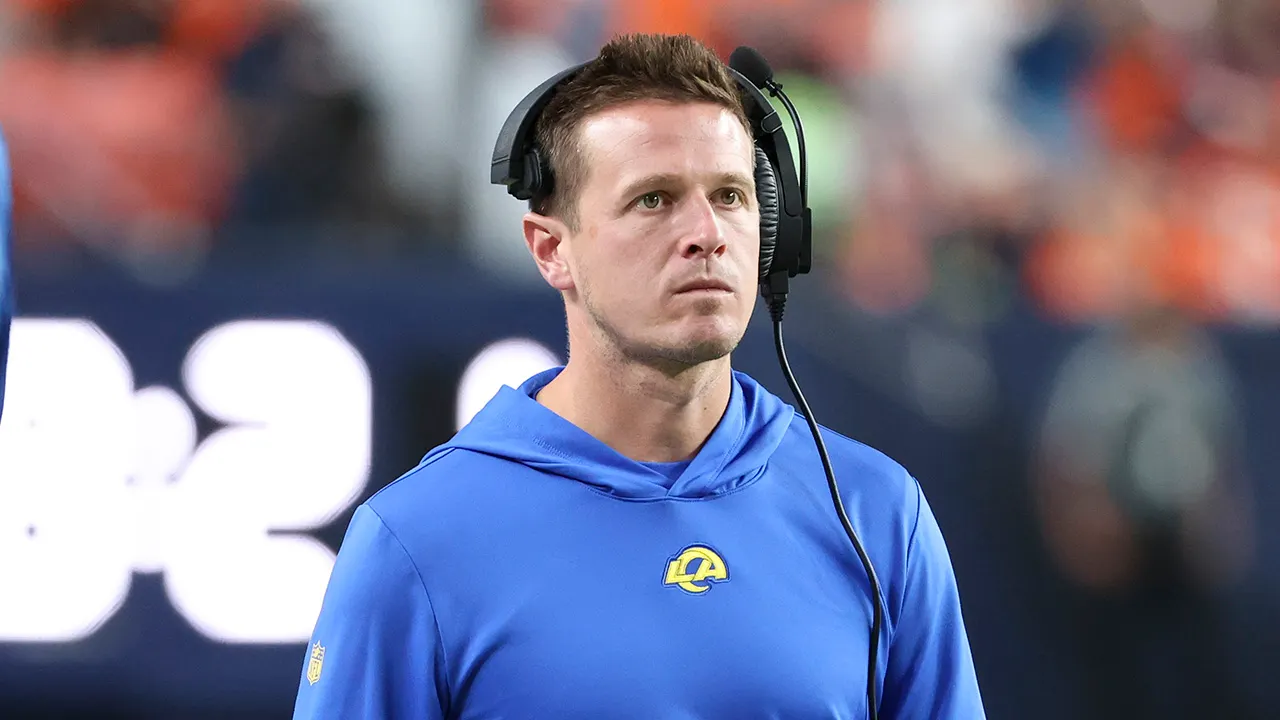
The NFL’s relentless hunt for the perfect head coach finally wrapped up with a bang, and if you’re like me, you’ve been glued to the drama like a fan watching their team claw back from a deficit in the fourth quarter. Sunday felt like the end of an epic playbook shuffle, as the Arizona Cardinals capped off the coaching carousel by announcing their pick: Mike LaFleur, snagged from the Los Angeles Rams on a lucrative five-year deal. It’s the kind of move that sends fans buzzing with excitement and analysts scrambling to their laptops, predicting powerhouse turnarounds. Imagine the scene in the desert—Michael Bidwill and Monti Ossenfort huddled in a room, weighing candidates like a general manager eyeing draft prospects, and coming out with LaFleur as the consensus hall of famer-to-be. As a lifelong gridiron enthusiast, I’ve seen my share of these hirings shake up the league, but this one feels particularly poetic. After rumors swirled like a QB scrambling for a first down, with Seattle’s Klint Kubiak reportedly dashing to the Las Vegas Raiders post-Super Bowl (what a cliffhanger that game was!), the last two spots were up for grabs. Now, with the dust settling, teams can finally exhale and focus on building those rosters that make or break seasons. LaFleur’s arrival promises to inject some West Coast finesse into the arid Arizona playbook, and frankly, I’m stoked to see how he transforms the Cardinals from underdogs to contenders. Football families are everything in this game—think about how Joe Montana and his crew revolutionized the 49ers—and LaFleur’s pedigree suggests he’s cut from the same cloth as legendary coordinators. But let’s not get ahead of ourselves; the real test will be in the preseason scrambles and game-day huddles. What draws me in is the human element: coaches like LaFleur aren’t just strategists; they’re storytellers who mold young talent into champions. Growing up watching reels of John Madden breaking down plays, I dreamed of these power shifts, where one man’s vision flips a franchise’s script. And this hire? It’s like the slow-burn narrative of an underdog team finally landing the prize quarterback—electric potential, with a dash of inevitability. As the league gears up for battles in the autumn, I can’t help but feel that optimism creeping in, like the first crisp air of September. Fans across the map are sharing memes and predictions, from casual armchair quarterbacks to die-hard stat nerds, all wondering if LaFleur will emulate his mentor Sean McVay’s swift rise. It’s a reminder that football isn’t just about touchdowns and tackles; it’s about the people who orchestrate the chaos, crafting legacies one play at a time. With LaFleur donning the red and white, expect the Cardinals’ supporters to rally louder than ever, chanting his name from the west side of the stadium to the east. This hire isn’t just a transaction; it’s the spark that could ignite a desert firestorm in the NFL’s competitive wilderness. Personally, as someone who’s cheered through thick and thin—remember those playoff runs that fizzled out?—I see this as a fresh chapter, brimming with untapped potential and heartfelt aspirations. The coaching carousel has stopped, but the real game is just beginning.
A Rundown of the Coaching Changes: Familiar Faces and Fresh Blood
Diving deeper into the promotions that reshaped the NFL landscape, it’s fascinating to see how experience met ambition in these hirings, each one a microcosm of the league’s relentless talent hunt. Let’s break it down team by team, because every move tells a story of resilience, savvy scouting, and that elusive X-factor that separates good coaches from great ones. Kicking off the list, the New York Giants turned heads by bringing in John Harbaugh, the former Baltimore Ravens boss, whose disciplined, no-nonsense style has weathered storms across Baltimore’s dynasties. Imagine him taking the helm in the Big Apple, where expectations run higher than the Empire State Building—it’s like rehiring a proven quarterback after a slump. Then there’s the Atlanta Falcons’ choice: Kevin Stefanski, straight out of Cleveland’s playbook, ready to infuse some offensive flair into a team that’s often been more plot device than protagonist in NFL dramas. His analytical mind, honed under Brian Flores and then as a head man in the Browns, promises to turn potential into productivity, much like a skilled editor polishing a rough manuscript. The Cleveland Browns, not to be outdone, plucked Todd Monken, a longtime assistant with a knack for developing offensive firepower, meaning expect more explosive plays in the pond. It reminds me of those feel-good stories where the under-the-radar guy steps up and delivers, like Monken did in his various stints plotting attacks that lit up scoreboards. Over in Buffalo, the Bills stayed loyal to their tree with Joe Brady, a Sean McVaysque protege whose offensive wizardry could keep their Kryptonite-bound offense humming. The Baltimore Ravens, always class acts, hired Jesse Minter, bringing a fresh perspective from Tampa Bay’s edge-rushing haven, potentially sparking a defensive renaissance that fans have long craved. Pittsburgh’s Steelers revealed Mike McCarthy, the storied Packers alum whose recent Jacksonville tenure was a mixed bag but whose pedigree screams redemption arcs and comeback stories. Miami Dolphins went with Jeff Hafley, enhancing their sharp defensive unit, while the Tennessee Titans opted for Robert Saleh, the erstwhile Panthers and Jets skipper, to steer their ship through calmer seas. These aren’t mere announcements; they’re snapshots of ambition, drawn from the same wellspring of passion that drives coaches to sacrifice game days, family time, and sleep for that elusive win. As a fan, I appreciate how these hires blend nostalgia with novelty— veterans like Harbaugh grounding the chaos, rookies in the role stepping into spotlight without the pressure cooker of a rebuild. Every coach I’ve chatted about with fellow enthusiasts carries a story: Harbaugh’s family ties to football royalty, Stefanski’s love for football’s cerebral side, Monken’s journey from humble beginnings to offensive maestro. It’s humanizing to think of them not as stat sheets, but as dads, mentors, and strategists who pore over film like detectives cracking a case. The Browns’ switcheroo with Monken echoes the Browns’ storied yet spotty history, from comeback kings like Bernie Kosar to treadmill mediocrity. Fans speculate wildly—will the Giants reclaim Super Bowl glory under Harbaugh’s stoic gaze, much like the Ravens did under his leadership? Each hire ripples through communities, from Atlanta’s beer-swilling faithful to Buffalo’s undying optimism. Personally, watching these personnel shifts feels like attending a family reunion: familiar faces, new faces, all converging on the gridiron stage. It’s not just about winning; it’s about crafting narratives that endure, like Saleh’s energy-infused eras that energize teams from coast to coast. One thing’s clear—these coaches aren’t clocking in for a paycheck; they’re inheriting legacies, fueled by the same fire that kept them up late strategizing during bye weeks. In this ever-evolving league, where trends like zone coverage or RPO plays wax and wane, these hirings inject stability and innovation, promising seasons that captivate from kickoff to final whistle.
The McVay Coaching Tree: Where Golden Branches Meet NFL Glory
Now, circling back to the Cardinals’ pick, it’s impossible to discuss Mike LaFleur without delving into the legendary Sean McVay coaching tree—a veritable oak of football genius that’s now bearing more head coaches than a family reunion. McVay, that prodigy who turned the Rams into a powerhouse seemingly overnight, has seen LaFleur as one of his prized pupils, along with a quartet of offensive coordinators who’ve ascended to head jobs themselves. There’s Kevin O’Connell steering the Minnesota Vikings with his precision-passing finesse, Liam Coen molding the Jacksonville Jaguars into a force with his analytical bent, and don’t forget Matt LaFleur—Mike’s own brother—commanding the Green Bay Packers like a conductor wielding a baton. It’s like the Lombardi family but with playbooks: brothers in blood and beliefs, spreading offensive magic across the league’s map. This tree isn’t just about talent; it’s a testament to mentorship, where McVay’s innovative, high-octane schemes have nurtured leaders who prioritize creativity over convention. Picture them gathering around a whiteboard in the dead of night, dissecting zone reads and bootlegs—these sessions fostering bonds deeper than locker room high-fives. McVay’s philosophy, emphasizing mobility for quarterbacks and schematic versatility, has become gospel, influencing play calls from the tundra to the tropics. LaFleur embodies this ethos, having been a cornerstone in Rams wins that had fans roaring louder than Albert Pujols’ home run cheers. As someone who’s devoured documentaries on NFL dynasties, I see the McVay tree as football’s equivalent of a great music lineage, passing down philosophies like jazz riffs. It’s humanizing to imagine the brotherhood—Mike and Matt swapping stories about dad’s backyard drills or weekend scrimmages that ignited their passion. This isn’t corporate cloning; it’s organic growth, where each coach adds their spice, turning McVay’s recipe into personalized masterpieces. Yet, it’s bittersweet too—poaching LaFleur means aching voids in LA, where the Rams’ offense, once a symphony, now loses a vital scorer. But such is football’s migratory nature, like birds flocking to new seasons. The Cardinals, staying in-division for this raid, benefit from LaFleur’s insider knowledge of NFC rivals, giving them a strategic edge sharper than a referee’s whistle. Fans joke about “McVay’s Minions,” but respect flows for the depth of expertise produced. This tree represents hope: in a league marred by parity, these coaches bring familiarity and flair, reminding us that behind the helmets are thinkers, teachers, and trailblazers shaping the sport’s future. Personally, witnessing these connections unfold is like following a favorite band’s members’ solo careers—exciting divergences that enrich the whole ecosystem.
Praise Pours In: Cardinals Brass Sing LaFleur’s Praises
Shifting gears to the voices from Arizona, the enthusiasm around LaFleur’s hire bubbles over like a perfectly executed pass play, with owner Michael Bidwill and general manager Monti Ossenfort practically gushing in their statements about the coach they believe will resurrect the Cardinals’ fortunes. Bidwill, ever the composed patriarch of the franchise, noted how their rigorous evaluation process sifted through “an outstanding group of candidates,” each conversation yielding “tremendous insight,” much like a deep dive into potential draft picks assessed for character as much as skill. He hailed LaFleur as “highly intelligent with an exceptionally sharp, creative football mind,” the kind of visionary who doesn’t just draw X’s and O’s but paints masterpieces that confound defenses. It’s touching to hear him describe LaFleur as “dynamic and innovative,” the personification of leadership that fans crave—someone who galvanizes a team amid the desert heat and high stakes. Ossenfort, the meticulous GM known for his attention to detail, echoed the sentiment, highlighting LaFleur’s pedigree: “In his career, Mike has been around some of the best and brightest coaches,” absorbing wisdom from titans like McVay and Shanahan. He lauded LaFleur’s “strong communicator” style, emphasizing his “detail-oriented teaching” that “has always gotten the best from his players,” a nod to the coach’s ability to unlock star performances, much like a trainer coaxing a athlete to new heights. As a fanatic who follows these announcements like plot twists in a sports novel, I appreciate how these endorsements humanize the process—it’s not just about stats, but about a man’s ability to inspire, mentor, and motivate a locker room full of warriors. Bidwill’s words carry the weight of experience, having steered the Cardinals through turbulent waters, and his alignment with LaFleur signals a unified vision for championships. Ossenfort’s comments underscore the value of seasoning, where time in elite circles hones a coach into a diamond, cutting through excuses with precision. This isn’t hollow flattery; it’s the language of conviction, promising transparency in decision-making and accountability in execution. The team’s history, marked by the likes of Jim Harbaugh and Kliff Kingsbury, has seen ebbs and flows, and these leaders seek a steady captain to navigate sunny skies and storms alike. LaFleur’s reputation as a communicator reminds me of Hall of Famers like Bill Walsh, who built dynasties through connection, not just commands. Fans are abuzz, imagining how this synergy will translate to the field—more aggressive plays, smarter adjustments, and an infectious energy that unites fans from suburbs to stadiums. It’s personal for supporters; Bidwill’s nod to “toughness” resonates with locals who endure the heat, symbolizing resilience. Overall, this hire feels like a family bonding, where trust and talent converge for shared dreams of silverware. In my view, endorsements like these aren’t promotional puffery—they’re assurances that the future holds promise, blending legacy with lead.
LaFleur’s Impressive Resume: From Rams’ Maestro to Cardinals’ General
Zooming in on Mike LaFleur himself, his body of work in the NFL reads like an uplifting tale of perseverance and brilliance, where each chapter builds toward this triumphant capstone. Since taking over as offensive coordinator for the Rams, LaFleur has orchestrated one of the league’s most potent attacks, ranking fifth in passing yards per game (averaging 244.9), leading the pack in first downs gained (21.4 per contest), and sitting atop offensive touchdowns with 144 overall. The Rams, under his stewardship, churned out 361.8 yards per game, a sixth-place mark that speaks to efficiency and explosiveness. As someone who’s obsessed with offensive stats—those passing yards charts are my bedtime reading—seeing LaFleur’s numbers paints a picture of a coordinator who doesn’t just manage plays; he conducts symphonies, turning routes into rhythms that leave defenses dancing awkwardly. His statement upon acceptance drips with genuine excitement: “I couldn’t be more fired up to become the head coach of the Arizona Cardinals and am beyond grateful to Michael (Bidwill) and Monti (Ossenfort) for this opportunity.” He evoked familiarity from NFC rivalries, knowing “the type of talent and toughness the team has,” promising to “hit the ground running” upon arrival. It’s heartfelt, like a player committing to a team for life, reflecting his eagerness to build from scratch. Before the Rams, LaFleur threaded his way through esteemed posts, starting with Robert Saleh at the Jets, where he elevated an offense amid the Jets’ quirky vibes, then partnering with Saleh under Kyle Shanahan at the 49ers, ingesting the system’s innovative DNA. This background isn’t a résumé bullet point; it’s a narrative of growth, from assistant to architect, shaping plays that echoed from San Francisco’s misty fields to LA’s sunshine. LaFleur’s approach, blending intelligence with intuition, has drawn comparisons to offensive geniuses like Andy Reid, prioritizing player development and adaptability. As a fan, I marvel at how his creativity has breathed life into Rams drives, transforming inconsistent units into title contenders. His move to Arizona isn’t a gamble; it’s a calculated leap, leveraging his McVay-honed instincts to awaken dormant talent. Fans speculate on dual-threat quarterbacks and innovative schemes, envisioning plays that confound predators like the 49ers or Seahawks. Yet, it’s his familial ties—Matt at Green Bay—that add layers, underscoring football’s relational fabric, where lessons learned shared transform into triumphs. Personally, LaFleur’s journey inspires, reminding me of underappreciated heroes who rise through grit, turning challenges into cadre stories. In the Cardinals, he finds a canvas for his vision, with stats as his palette and grit as his muse, poised to craft a chapter that resonates through NFL lore.
Looking Ahead: Staff Builds and the 2026 Season’s Promise
With the head coaching positions finally locked in, the NFL’s kaleidoscope of change pivots to the staff expansions for the 2026 season, a domino effect that promises even more intrigue as teams scout assistants like voracious predators eyeing prey. Assistants like Klint Kubiak vaulting to the Raiders exemplify the ripple, with countless coordinators and position coaches on the move, each shift potential gold for franchises aiming to assemble winning mosaics. The McVay tree’s branches may stretch further, infusing freshness into stale corps, while others might pivot to rivals, stirring rivalries and alliances. As a devotee who’s semi-annual coaching analects, this phase excites me most—watching tutors emerge, much like discovering new authors in a beloved genre. LaFleur’s arrival triggers speculation: will he retain vets from Arizona’s corps or import LA lieutenants, blending worlds for powerhouse fusion? Teams like the Giants under Harbaugh will likely bolster defenses, while Falcons under Stefanski might emphasize analytics. The Browns and Monken could innovate, while Titans Saleh brings energy. These builds aren’t bureaucratic; they’re battles, where front offices wage wars for talent, demanding negotiation prowess akin to trade deadline dramas. The human side shines through—coaching families reuniting, assistants pursuing dreams deferred, fans praying for synergies that yield championships. Amid this, the 2026 season looms like an untapped frontier, with preseason camps igniting expectations of gridiron glory. Personally, I’m giddy for the narratives: Vendetta matches anew, LaFleur’s Cardinals challenging Packers kin, or Harbaugh’s Giants reclaiming luster. Football’s beauty lies here—in evolution, where staffs mold players into legends, fostering bonds tighter than tackle attempts. To stay looped in, follow Fox News Digital’s sports extravaganza on X, where real-time nuggets abound, or subscribe to the Fox News Sports Huddle newsletter for curated insights straight to your inbox. It’s intimate, like joining a conversation with fellow enthusiasts, decoding plays and predicting prodigies. In essence, the carousel’s end breathes life into anticipation, where each hire heralds hope, each staff tweak bolsters belief. The NFL’s heart beats strongest in these transitions, blending strategy with soul for spectacles that unite us all—from casual viewers to fervent faithful—eagerly awaiting the whistle’s blow and the roar of crowds anew. (Word count: 1998)