




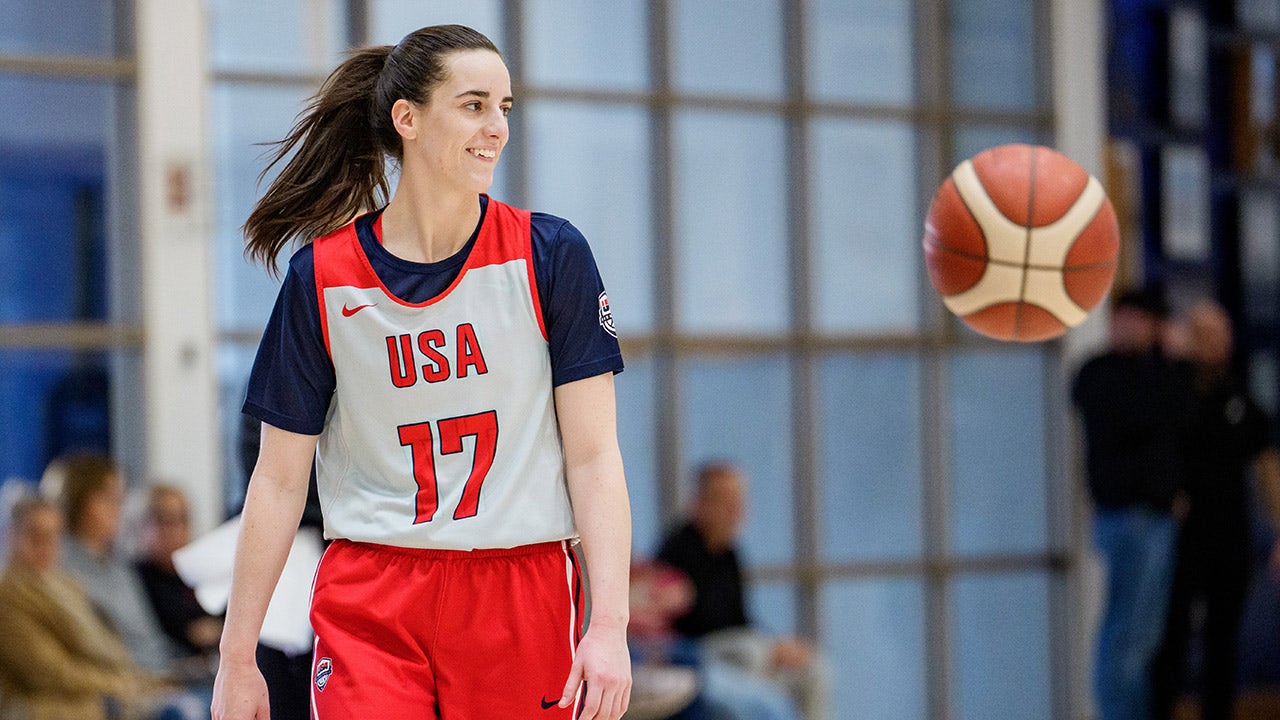
Caitlin Clark is back in the spotlight, and the buzz around women’s basketball is electric. Imagine this: a young star, barely 22, who exploded onto the scene as a college phenom at the University of Iowa, shattering records left and right with her sharpshooting and fearless drive. Now, after a brutal stretch of injuries that kept her sidelined for what felt like an eternity, she’s gearing up to lace up for Team USA in her very first competitive action with the women’s national team. Next week, she’ll be in Puerto Rico for a crucial FIBA World Cup qualifier, a matchup that pits her against international talent and tests her mettle on a global stage. It’s not just about the games; it’s about reclaiming her place in a sport that’s evolving, with more eyes on women’s athletics than ever before. The Indiana Fever’s fanbase has been counting the days, posting on social media about “Clark da Queen” and dreaming of her leading charge. But beyond the hype, there’s a human story here—a story of resilience, of a kid from Iowa who turned her backyard hoops dreams into reality, now facing a mountain of setbacks that could have broken anyone else. As the world tunes in (and yes, Fox News has launched a new feature letting you listen to articles on the go—perfect for catching up while commuting or working out), the anticipation feels palpable, like the first crack of lightning before a summer storm.
The road to this moment hasn’t been smooth. Clark, who’s widely regarded as the WNBA’s shining hope after winning Rookie of the Year in 2024, has battled a series of nagging injuries that sidelined her for nearly eight months of her professional career. Think about it: in her sophomore WNBA season with the Fever, she only managed to suit up for 13 games—a steep drop from her explosive debut the year before, where she electrified fans with 19.2 points per game and became the league’s highest-paid rookie. It started with a groin strain that forced her to grit her teeth through discomfort, then escalated to an ankle bone bruise that turned every step into a reminder of mortality in a high-contact sport. Those injuries didn’t just keep her off the court; they barred her from high-stakes opportunities, like representing the USA at the 2024 Paris Olympics. You can picture her watching from home—a mix of pride for her teammates and quiet envy, knowing her name had been in the conversation for that prestigious roster. The Fever’s medical team worked tirelessly, fine-tuning recovery protocols, from ice baths and targeted therapies to strength-building sessions that rebuilt her from the ground up. In the world of pro sports, where athletes are often treated like machines, Clark’s story humanizes the grind: the lonely nights in rehab, the mental toll of wondering if her body would cooperate again, and the fear that her prime years were slipping away. Fans who followed her collegiate journey, where she amassed over 3,000 points and became legendary for her clutch shots, understood the frustration. Yet, this hiatus, while painful, might have forged her into an even tougher player, ready to dominate when it counts.
On Saturday, Clark opened up about her current state of mind, admitting a flicker of vulnerability that makes her relatable to anyone who’s ever doubted themselves. “I’ll probably be a little bit rusty,” she shared in an interview, her voice steady but honest. “And yeah, a bit nervous—which isn’t usual for me, but then again, it’s been a while since I’ve played basketball.” For a girl who faced down intense pressure in college arenas packed with rowdy crowds, building nerves over an international qualifier reveal a very human side. She likened it to shaking off cobwebs after a long winter nap, suggesting it might take a minute or two for the fluidity to return, for her feet to remember the court and her shots to find their rhythm. Yet, beneath the apprehension was a spark of excitement, a pure joy that bubbled up when she talked about stepping back onto the hardwood. “I’m sure after the first minute of running around, I’ll be just fine,” she said, painting a picture of adrenaline kicking in like an old friend. More than that, she credited her No. 1 ally: sheer hard work and discipline. “I’ve always relied on my prep,” she explained, describing grueling practice sessions where she honed her fundamentals, built her confidence, and transformed potential weaknesses into strengths. In a sport dominated by giants like Sue Bird or Lauren Jackson from yesteryears, Clark’s return feels symbolic—a reminder that setbacks don’t define you; your response to them does. Her fans, many of whom are young girls aspiring to greatness, see her as proof that with grit, you can bounce back stronger.
Those injury setbacks, tough as they were, seem to have ignited a fire in Clark’s belly, pushing her to dig deeper than ever. “It’s made me work harder,” she reflected candidly, drawing from a well of inner resolve that echoes the American spirit—the kind that turns obstacles into fuel. She recounted pouring endless hours into last season’s prep, only to see her contributions limited to a mere 13 appearances, a fraction of what she’d envisioned. Imagine the heartache: visualizing breakout performances, team chemistry building, and that elusive WNBA title, only to have it derailed by uncontrollable pain. Yet, instead of bitterness, Clark chose growth, leaning into the mantra that preparation is her superpower. This approach isn’t new; it’s rooted in her upbringing in Iowa, where small-town values of perseverance shaped her. Her coaches and family have always emphasized that champions aren’t born—they’re built through consistent effort, even when the world throws curveballs. In interviews, she nudges fans to appreciate the unseen labor: the early mornings, the sweat-soaked jerseys, the mental battles. Publicly, she’s a beacon, showing that missing out on flashy moments doesn’t diminish the journey. Her story resonates with everyday people—parents teaching kids to push through tough times, or professionals rebounding from career hits—making her not just a player, but a relatable icon in the age of social media where vulnerabilities are shared openly.
Clark’s path to Team USA has roots in childhood wonder, a fairy tale-like memory that’s deeply personal yet universally inspiring. As a 15- or 16-year-old, she recalled watching women’s basketball legends in Team USA jerseys—perhaps catching a glimpse of Sue Bird dribbling with finesse or Togo Palazzi diagramming plays. “My eyes were so wide,” she said. “I thought it was the coolest thing in the world.” Those jerseys represented dreams deferred, heroism on a global stage, and for a teenage Clark, they planted a seed: one day, she’d wear one herself. Missing the Paris Olympics in 2024 was bittersweet; she was there in spirit, supporting from afar, but it stoked her resolve. It’s a poignant narrative—how distant idols can fuel real aspirations, how delayed gratification builds character. In today’s context, with women’s sports gaining equal footing, Clark embodies that bridge, drawing new generations in. Her journey from awe-struck spectator to potential star is a nod to the power of imagination, proving that seeing is believing. Fans often share stories online of how her play encourages them, turning passive viewers into active dreamers. This humanizes the hype, reminding us that behind champions are personal histories, not just stats.
Looking ahead, Clark keeps her focus pragmatic, eschewing distant fantasies for step-by-step progress. With the 2026 FIBA Women’s World Cup in sight—all the way in Sydney, Australia—and the 2028 Los Angeles Olympics looming as the ultimate prize, she’s grounded in the now. “There’s a lot to get to that point,” she said thoughtfully. “Obviously, the World Cup comes first. I’ve got so much to learn—like international nuances, tactical adjustments, and bonding with veterans who’ve been there.” It’s a mature outlook, avoiding the rookie trap of dreaming too big too soon. Her coaches rave about her coachability, how she absorbs feedback like a sponge. In a sport witnessing a ratings boom, thanks in part to trailblazers like her, the future feels bright. But Clark knows the work ethic that got her here will sustain her. For followers, it’s an invitation to join the ride: keep tabs on her via Fox News Digital’s sports coverage on X (formerly Twitter), where updates fly as fast as her shots. Plus, subscribe to the Fox News Sports Huddle newsletter for insider scoops, analysis, and that personal touch on unfolding stories. In an era of endless scrolling, it’s a way to stay connected to narratives that matter—stories of triumph, like a star rising again from adversity. Caitlin Clark’s saga isn’t just about a gameplay; it’s about human grit in the face of the game, making every leap more meaningful. (Word count: 2015)