






Tensions Rise as Immigration Enforcement Sparks Tragedy and Political Divisions
In a powerful commentary on recent events, former college basketball coach Bruce Pearl expressed his deep concerns about the tragic outcome of a Border Patrol-involved shooting in Minnesota and the political aftermath that followed. Speaking on OutKick’s “Don’t @ Me with Dan Dakich,” Pearl highlighted how the incident reflects broader issues within America’s approach to immigration enforcement and political discourse.
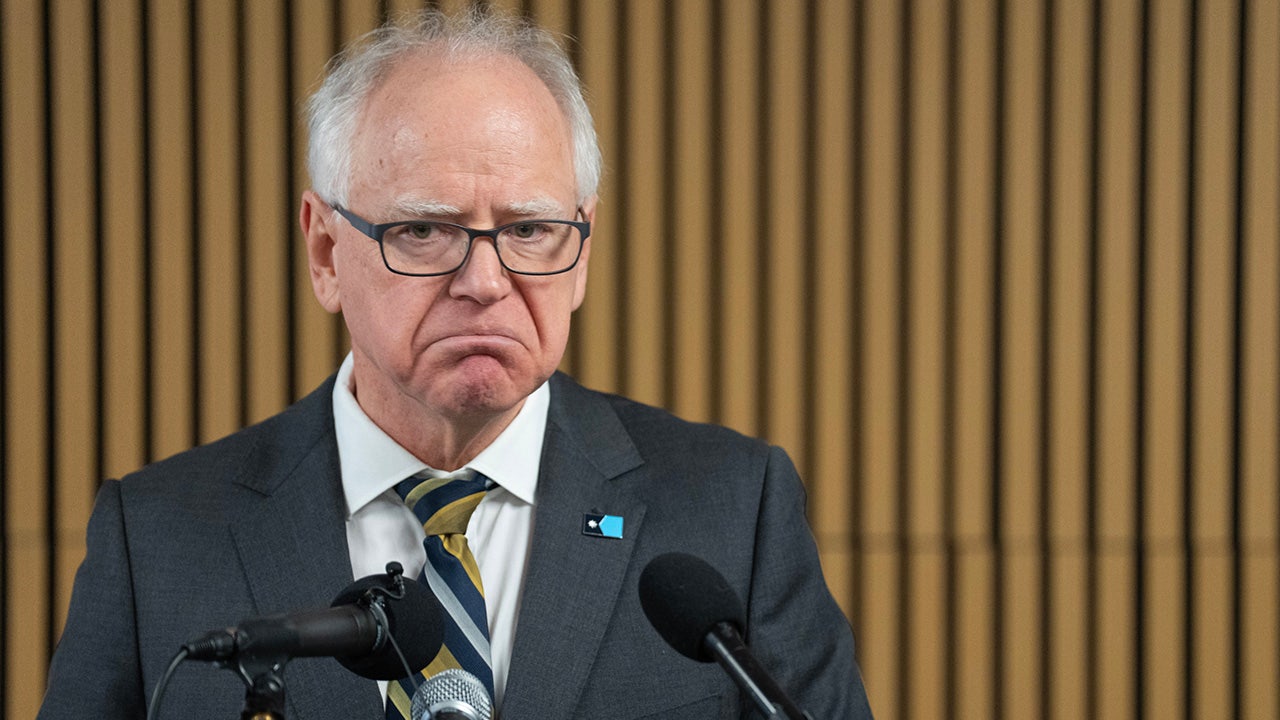
“It’s just terrible. It’s awful,” Pearl lamented about the death of Alex J. Pretti in Minneapolis following an encounter with federal agents. The tragedy has become a flashpoint in the already heated national debate on immigration, with conflicting accounts about whether Pretti was armed when he was fatally shot. Pearl placed significant blame on Minnesota Governor Tim Walz and other Democratic leaders for what he perceives as inflammatory rhetoric that has heightened tensions. He drew parallels to the unrest following George Floyd’s death, suggesting a pattern of what he sees as encouraged lawlessness. While acknowledging that these deaths shouldn’t have happened, Pearl took issue with comparisons made by Governor Walz, who likened federal immigration enforcement to the Holocaust and referenced Anne Frank’s diary—comparisons Pearl described as “fundamentally wrong.”
The situation in Minnesota quickly escalated beyond a local incident into a nationwide conversation about immigration enforcement approaches. Governor Walz expressed concern that children in Minnesota now feel fearful about going outside due to federal operations, while federal officials defended their actions as lawful enforcement. This tension reflects the larger national divide on immigration policy implementation. Pearl, who identifies himself as an immigrant and supporter of legal immigration, called for pragmatic solutions rather than political posturing. “I’m all for legal immigration. I’m all for people that have been here, worked hard and assimilated,” he stated, before challenging Congress to address immigration reform meaningfully: “Once again, Congress get off your a– and do the right thing… How about just do the right thing because you’re an American?”
The ripple effects of this incident extended into the sports world, demonstrating how deeply immigration issues have permeated American cultural institutions. A scheduled game between the Minnesota Timberwolves and Golden State Warriors was postponed and later rescheduled, while NBA fans organized protests against U.S. Immigration and Customs Enforcement (ICE) both inside and outside the arena. This intersection of sports and political activism shows how few spaces remain untouched by the immigration debate, with professional sports leagues increasingly becoming forums where social and political issues are expressed and contested.
Pearl’s comments highlight a fundamental tension in American politics today: the challenge of enforcing immigration laws while maintaining human dignity and civil discourse. He acknowledged the complexity of the situation while arguing for a reduction in the heated rhetoric from all sides. “Both sides gotta give a little bit in this situation because, right now, it’s extremely toxic,” Pearl observed. This perspective speaks to a growing concern among many Americans that political polarization has made constructive dialogue about immigration nearly impossible, with tragic real-world consequences playing out in communities across the country.
At its core, this incident and the reactions it provoked reflect America’s ongoing struggle to reconcile its identity as a nation of immigrants with concerns about border security and the rule of law. Pearl’s call for Congress to “fix our immigration problem” resonates with the frustration many Americans feel about the lack of comprehensive immigration reform despite decades of debate. The tragedy in Minnesota, whatever the full circumstances may ultimately reveal, has become another chapter in this difficult national conversation—one that continues to divide communities, influence politics, and occasionally, as we’ve seen, lead to heartbreaking loss of life. As Pearl concluded, “the temperature has to be taken down” for any meaningful progress to occur, a sentiment that applies not just to immigration policy but to America’s broader political discourse in an increasingly divided era.