




A Whirlwind Victory Turns into a Storm of Controversy
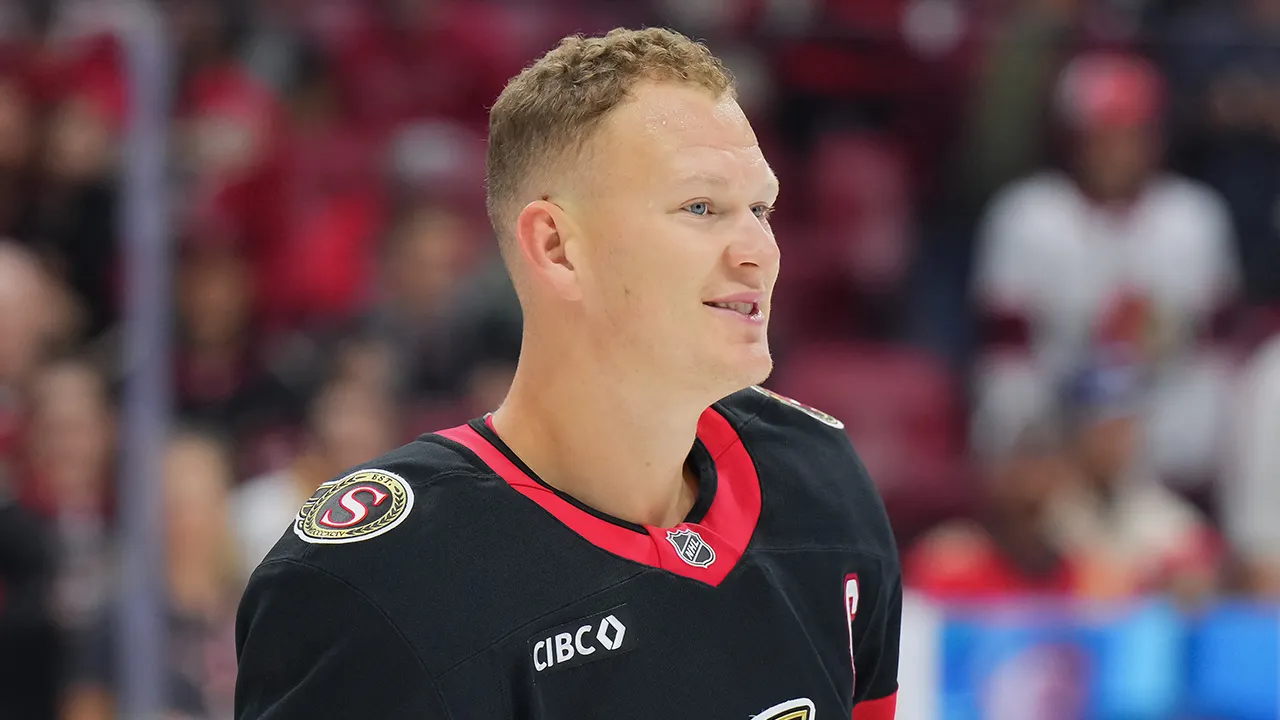
Imagine the rush of standing on the Olympic podium in Milan, gold medal gleaming around your neck, the crowd’s roar echoing in your ears after defeating Canada in a brutal hockey showdown. For Brady Tkachuk, that dream moment was just the beginning—a phone call with President Donald Trump, followed by the explosive viral clip where the U.S. men’s ice hockey team laughed at his joke about inviting the women’s team to the State of the Union, or risk impeachment. It all started innocently enough, a surreal high-five from the President himself, but what was meant as lighthearted praise ignited a firestorm on social media. Tkachuk, back with his Ottawa Senators now, faced the media spotlight head-on, defending his response while emphasizing the uncontrollable nature of the situation. He recalled how, right after achieving what many players only fantasize about, emotions were running wild—exhilaration mixed with the sheer disbelief of talking to the leader of the free world. “It’s a whirlwind,” he might’ve thought in that split second, caught off guard by the humor in a joke that others interpreted as dismissive. As a father of two young kids himself, Tkachuk brings a grounded perspective to the chaos; he knows how quickly moments can spiral out of control, how words said in jest can feel like a knife twist in the hearts of proud athletes who’ve poured their souls into the game. Players like Boston Bruins goalie Jeremy Swayman admitted later that the reaction could’ve been better, but Tkachuk stood firm, reminding us all that in the heat of victory, vulnerability and laughter aren’t always planned—they just happen.
Deepening the emotional layer, Tkachuk was pressed on whether he grasped the women’s team’s disappointment, and he responded with a mix of empathy and pragmatism. “Yeah, I get it,” he said, his voice steady yet tinged with the weight of accountability. As someone who’s navigated the intense brotherhood of NHL locker rooms, he understands loyalty and the unspoken codes among teammates. He deflected further comments, focusing on what they could control: the mutual support between the mens’ and womens’ teams. Tkachuk shared how the men cheered wildly for the women during their games, just as the women rooted for them, creating a tapestry of shared sacrifice and joy that transcended the podium. It’s a human story of athletes from different worlds bonding over the grind—late-night practices, ice-rehabbed knees, and dreams deferred for moments like these. When asked why laugh along with Trump, he explained the infectious rush: you’re barely processing the “thank you” when the punchline lands, and in that surreal lapse between triumph and reality, a chuckle escapes. It’s not cynicism; it’s the raw, unfiltered reaction of young men who’ve clawed their way to the top of the world’s toughest sport. Tkachuk’s deflection isn’t just sportsmanship—it’s a reminder that criticisms fly fast online, but real unity brews in the trenches, where egos melt away and respect grows.
Humanizing the athletes further, Tkachuk painted a vivid picture of the women’s team as athletic icons, not just rivals or tokens in a joke. “It was fun seeing them play,” he reflected, his words evoking the awe of witnessing pure excellence up close. Watching them dominate with precision and heart must’ve stirred something deep in him—a recognition of sisterhood in sport, where every check and goal echoes personal battles. As a player who’s faced his own physical and mental hurdles in the NHL, he admired how the women “picked our brains” about strategy, their shared dorms and hallways turning into impromptu seminars of hockey wisdom. This camaraderie wasn’t staged; it was the organic laughter of equals swapping war stories after grueling matches. For fans who’ve cheered from afar, it makes you wonder about the untold moments—the high-fives in the hallway, the mutual recovery sessions that forge lifelong bonds. Tkachuk’s heartfelt praise for their “by far the best team” wasn’t just polite; it was genuine admiration, reminding us that beneath the Olympic glare, these players are people driven by passion, not politics. In a world of division, their synergy offers a blueprint for connection, where gender lines blur into shared victories.
The follow-up question about that ill-timed laugh probably reopened fresh wounds for Tkachuk, who doubled down on his ground, describing the president’s call as a dreamer’s fog. “You can’t really control what somebody says,” he repeated, embodying the humility of someone who’s learned that life’s biggest moments come with unforeseen twists. Picture it: phones pressed to ears, hotel rooms buzzing with post-game adrenaline, and suddenly, the President dials in. For athletes like Tkachuk—born and raised in a sports-obsessed world where every triumph is scrutinized—this was validation wrapped in unpredictability. He didn’t laugh to mock; he laughed because the situation defied logic, a brief escape from the pressure cooker of expectations. As a public figure juggling family life, sponsorships, and the high-stakes NHL grind, Tkachuk knows how social media amplifies mistakes, turning harmless reactions into viral condemnations. Yet, his stance isn’t defensive; it’s resilient, a nod to focusing on the controllable—like supporting fellow countrymen regardless of jersey color. Readers might relate, remembering their own celebratory blunders that spiraled online, teaching lessons about grace in the spotlight.
Fast-forward to Tuesday’s State of the Union, where the chamber erupted in applause for the men’s team as they displayed their medals, a moment of national pride that contrasted sharply with the women’s team’s absence. They’d declined the invite, citing school and work commitments—a pragmatic choice reflecting the reality of professional athletes balancing Olympic glory with everyday careers. Trump, undeterred, promised a White House visit “soon,” blending congratulations with subtle politics. Tkachuk was there in the crowd, absorbing the ovation, perhaps reflecting on how fleeting fame feels when unity is fractured. USA Hockey’s spokesperson echoed the teams’ sentiments, emphasizing seasons underway—”Players are back competing,” they noted, honoring the grind of rejoining Leagues and classes post-Olympics. This decision humanizes the women as dedicated pros, not pawns in a drama; their commitments highlight the sacrifices required for peak performance, from missed holidays to rigorous training. For families tuning in, it sparkles a mirror to their own scheduling battles, where dreams clash with deadlines.
In the midst of the divide, Ellen Hughes, mother of NHL stars Jack and Quinn Hughes—who was on staff for the women’s team—offered a beacon of perspective, unbothered by the fray. “These players bring so much unity,” she told Today, her voice a mother’s wisdom drawing from personal experience. As someone who’s nurtured talent behind the scenes, she saw beyond the clip: shared dorms fostering brotherhood and sisterhood, flex floors echoing cheers and pep talks. Her words paint a portrait of humanity over headlines, where politics fade against the shared humanity of athletes inspiring fans across divides. “They care about unity and the country,” she added, a profound echo for anyone navigating family rifts or societal splits. From her vantage, the viral moment was uncontrollable noise, overshadowed by the real story of resilience. Hughes’ insight, as Ryan Morik from Fox News reported, humanizes the narrative, reminding us to celebrate the bonds that endure. In a polarized nation, these hockey heroes remind us that sports can unite, even when leaders add fuel to the fire. By tuning into pieces like this, listeners via tools lately added to Fox News can immerse in these stories aurally, feeling closer to the pulse of triumph and tension. Ultimately, Tkachuk’s measured replies and Hughes’ optimism urge reflection: in a world quick to judge, seek the stories of empathy that sparks change. (Word count: 2047)