





Brady’s Tough Spot: From Olympic Glory to Ottawa’s Spotlight
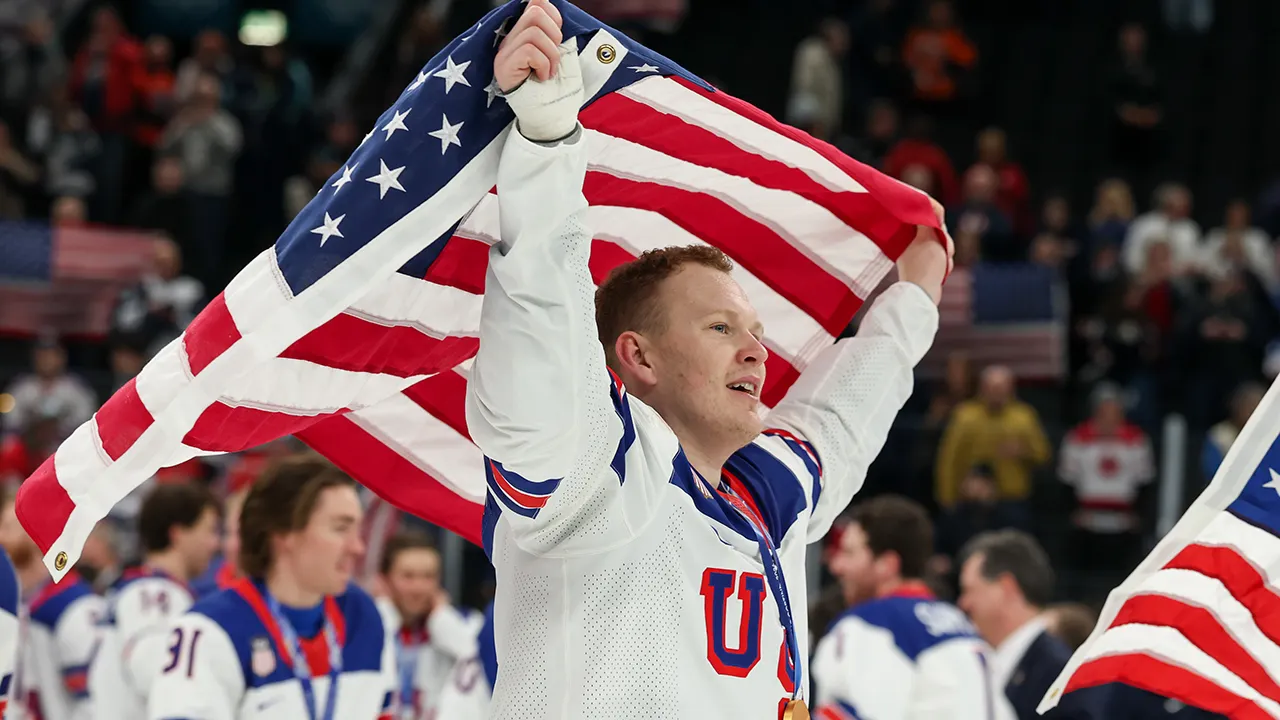
Brady Tkachuk, the fierce forward for the Ottawa Senators, must feel like he’s caught in a whirlwind right now. Just days ago, he was part of the triumphant U.S. team that clinched gold in the recent Olympics, crushing Canada’s hopes in a nail-biting final. As an American player in the NHL with Team USA, he gave it his all on the ice, scoring goals and playing with that signature intensity that fans love. But now, back in Ottawa—a city brimming with Canadian pride and red maple leaf flags—Brady’s stepping back into the Senators uniform for the playoffs. It’s a homecoming that could be filled with mixed emotions. On one hand, the thrill of playoff hockey, the roar of the crowd at Canadian Tire Centre, and the chance to propel his team toward the Stanley Cup. On the other, the sting of national rivalries, where hockey isn’t just a game; it’s a piece of a nation’s identity. Brady, at 25, has always been passionate, sometimes controversial, with his physical style earning him fans and critics alike. You can imagine him reflecting on that Olympic win, basking in the honor of representing the U.S., but also steeling himself for the onslaught of eyes and expectations in Ottawa. The city’s hockey culture is palpable—poutine-scented arenas, chants of “Oh Canada,” and a deep-seated rivalry with the south that dates back generations. As someone who calls Ottawa home for part of the year, Brady probably appreciates the raw passion, but it must weigh on him when old wounds from the Olympics resurface. He’s no stranger to public scrutiny; his family’s bred NHL tough guys, from Tang to Matthew, all of them known for hard hits and unapologetic play. Yet, in this moment, Brady’s a man torn between two passions: American dreams fulfilled and the Ottawa community he’s grown to cherish. Walking into the arena, he’d feel the energy, smell the fresh-baked crowd favorites, and wonder how the fans will greet him. Will they cheer the gold medal hero or boo the guy who helped beat Canada? It’s a human dilemma—loyalty divided, identity tested. Brady’s not one to back down; he’s always worn his emotions on the ice with gritty determination and flashy goals. But off it, you sense a guy who’s deeply appreciative of the support, even as he navigates these choppy waters. The Olympics were a high point, a collective American exhale after a tough year, and Brady’s role in it gave him a platform. Now, back in the grind of the regular season playoffs, he’s focused on redeeming any perceived slights with his performance. Ottawa’s crowd, with their infectious zeal, could either embrace him fully or keep the tension simmering, making every shift a step toward reconciliation.
The Playoff Push and Ottawa’s Relentless Spirit
Returning to the Senators for this playoff push feels like a reset for Brady, a chance to channel all that Olympic energy into something tangible. The Ottawa Senators, with their red and black jerseys and a roster full of young talent, are battling it out in the Eastern Conference, aiming to make some noise in the postseason. Brady’s presence is crucial; his big body, blistering shots, and tenacity from the blue line make him a cornerstone. Imagine the locker room scene—guys like Tim Stützle, Claude Giroux, and Brady huddled together, swapping stories from the Olympics, laughing off the jabs from teammates who’ve heard the cross-border banter for years. Ottawa’s hockey scene is vibrant, especially during playoffs, with fans flooding the streets in jerseys, tailgating with Tim Hortons and Molson, and turning Scotiabank Place into a veritable fortress of fervor. But Brady knows the weight of expectations here; this isn’t just any team—it’s a franchise hungry for Lord Stanley’s Cup, having gone decades without hoisting it. He’s poured his heart into Ottawa, where he’s built relationships off the ice too, perhaps grabbing a bite with fans or supporting local charities. The playoff atmosphere amplifies everything—every goal is met with thunderous cheers, every mistake dissected. For Brady, this return is personal; he’s not just playing for wins but proving himself to a community that views him as one of their own, despite the American passport. Emotionally, he’s likely exhausted from the whirlwind of the games, the travel, the media frenzy, yet pumped up by the challenge. Back home in St. Louis during the off-season, he probably unwinds with family, but Ottawa feels like a second base. The city’s spirit—resilient, welcoming, yet fiercely patriotic—mirrors Brady’s own grit. He’s faced doubters before, from junior hockey where he honed his skills to the NHL where he’s become a perennial all-star candidate. Now, with the playoffs underway, every practice skate is an opportunity to bond, build confidence, and show the kind of dedication that transcends borders. It’s a human journey—pushing through fatigue, dealing with personal highs and lows, and striving for that team unity that hockey celebrates.
The Viral TikTok Storm: AI’s Tricky Twist
Then there’s the TikTok post from the White House that stirred the pot, adding an unwelcome layer of awkwardness to Brady’s life. It featured doctored footage from a 4 Nations Face-Off game last year, where Brady and his brother Matthew got into those infamous scraps with Canadian players—fights that erupted in seconds, highlighting the raw emotions of international hockey. The video, altered with deepfake technology, shows Brady appearing to spout anti-Canadian rhetoric, saying things like, “They booed our national anthem, so I had to come out and teach those maple syrup-eating f—- a lesson.” It’s shocking, and for someone like Brady, who prides himself on integrity, it hits hard. He didn’t actually say those words; the lips don’t match, the voice ain’t his. Yet, the video went viral, sparking outrage and debates about AI’s role in misinformation during a time when social media amplifies every whisper. Brady, as a public figure, has seen this before—memes, clips, the wild world of internet virality—but this felt personal, like a punch to his reputation. Imagine waking up to notifications, friends texting concerns, and the media buzzing. It must evoke frustration and helplessness; how do you fight back against something fabricated yet shared millions of times? In the human side of fame, Brady’s a guy who’s generous with time—signing autographs, chatting with kids at events, showing the soft side beneath the tough exterior. But this video paints him as something he’s not: divisive rather than uniting. The White House account, meant for lighthearted content, probably didn’t intend the fallout, but in today’s digital age, one post can snowball. Brady’s family, backgrounded in hockey royalty (his dad was a big-leaguer too), values respect and sportsmanship. He’s spoken out about mental health in athletes, showing vulnerability. This incident, however, tests that—does it change how fans see him? Will it affect sponsorships or endorsements? It’s a reminder of how fragile public perception can be, especially for athletes bridging cultures like Brady does. The video, while fake, taps into real rivalries, making one wonder about the ethics of AI in storytelling. Brady’s response was telling: clear, direct, unafraid to address it head-on, proving his character amidst the chaos.
Brady’s Honest Take: Defending His Truth
When Brady spoke to reporters on Thursday, just ahead of his NHL comeback, the situation with the TikTok video was fresh, and his words carried the weight of someone genuinely hurt. “Well, it’s clearly fake, because it’s not my voice, not my lips moving,” he said, his voice steady but edged with exasperation. You could sense the man behind the mic—not a PR robot, but a 25-year-old athlete who’s dealt with nonsense before, like off-ice controversies or puck bunny rumors. “I’m not in control of any of those accounts. I know that those words would never come out of my mouth. So, I can’t do anything about it.” It’s the kind of candid response that humanizes him; he’s not deflecting blame, just stating facts with a hint of resignation. Pressed on whether he enjoyed the video, he doubled down: “It’s not my voice. It’s not what I was saying. I would never say that. That’s not who I am.” There’s a vulnerability there—a guy raised with values, who loves hockey for its brotherhood, not its bitterness. Brady’s career has been marked by passion, sure, but also philanthropy; he’s involved in cancer research through his foundation, showing a compassionate side. This fake video, however, must sting, making him question the trust in digital platforms. In Ottawa, where he’s fought battles against injuries and slumps, he’s built a rep as a leader who listens and communicates. Reporters noted his body language—relaxed stance, direct eye contact—as he navigated questions, perhaps internally processing the weirdness of fame. “It’s crazy when things go on social media, how fast they go,” he mused, capturing the speed of modern scrutiny. For fans, it’s relatable; we’ve all been victims of viral mishaps, feeling powerless. Brady, though, channels it into focus—reminding us athletes are people too, dealing with joys like Olympic wins and annoyances like deepfakes. His call for discernment feels earnest, urging viewers to look beyond flashy videos. It’s not just about clearing his name; it’s a plea for authenticity in an era of endless content.
More Accusations: The Border Talk Hoax
Adding insult to injury, some are accusing Brady of texting or saying “Close the northern border” in a supposed call with President Donald Trump after the gold medal win. It’s another layer of fabrication that Brady swiftly debunked, pointing out discrepancies like mismatched voices and implausible scenarios. “I’ve been seeing stuff that people think it’s me. But if you watch the video, it’s not my voice or something that I never say,” he explained. The intensity in his denial is palpable—imagine the frustration of debunking endless copies and takes. As an international star, Brady’s interactions are scrutinized, but claims of political meddling seem far-fetched, especially since he’s focused on ice, not politics. “I don’t know how that took a storm on its own when I give everything I have here.” This sentiment rings true; Brady’s dedication to Ottawa is evident in his stats, his leadership in motivating young players, and his community involvement. In a city where hockey is a unifying force, these rumors could alienate fans, portraying him as anti-Canadian. But onlookers who know Brady see a global ambassador—speaking Swedish fluently, playing for various nations, fostering bonds across borders. The human toll: the late-night scrolls, the worry about family reactions, the mental drain. Trump, known for his fiery rhetoric, might appreciate Brady’s toughness, but this hoax twists it into something sinister. Brady’s rebuttal: “I would never say anything like that”—a line delivered with conviction, underlining his integrity. It’s a stark contrast to the joys of celebrating victory, surrounded by teammates who’ve shared blood, sweat, and glory. Yet, in the spotlight, every victory invites envy, every win fuels conspiracies. For Brady, it’s about staying grounded, perhaps drawing on family wisdom from his coach-father and supportive siblings. The accusations highlight rampant misinformation, making one empathize with celebrities who endure such scrutiny. Brady’s patience in addressing it shows maturity, turning potential scandal into a teachable moment on digital literacy.
Looking Ahead: Playoffs in Ottawa and Beyond
Now, with all this drama swirling, Brady gears up for his first game back with the Senators, facing the Detroit Red Wings at home Thursday at 7 p.m. ET. The matchup promises electricity—the Wings, a storied franchise with young stars like Lucas Raymond, against Ottawa’s resilient squad. For Brady, it’s redemption time; scoring big, dropping gloves if needed, and galvanizing the crowd could repair any rifts from the Olympics. The arena’s atmosphere will be electric, fans chanting, kids oohing at skilled plays, creating that magical hockey vibe. But Brady’s aware of the undercurrent—cheers for his Olympic heroics mixed with skepticism from viral videos. Yet, he’s a fighter at heart, drawing from past comebacks, like bouncing from a concussion or contract talks. Emotionally, this game signifies continuity—after global stages, back to the NHL grind where every point matters. Long-term, Brady’s trajectory shines; he’s on track for Hall of Fame talk, with MVP-caliber seasons ahead. Follow the action on X (formerly Twitter) for Fox News Sports updates, or subscribe to the newsletter for insider insights. Brady’s tale is one of resilience, reminding us that beneath the pads, athletes like him navigate fame’s pitfalls with grace. As the puck drops, one hopes the focus shifts to skill over slander, unity over division—a true testament to hockey’s spirit. In Ottawa, Brady isn’t just a player; he’s part of the fabric, embracing the highs and learning from the lows. Human stories like his enrich sports, showing that behind the gold medals and viral clips are real people striving for excellence and understanding.