



The Rise of Unchecked Online Fury in Sports Betting
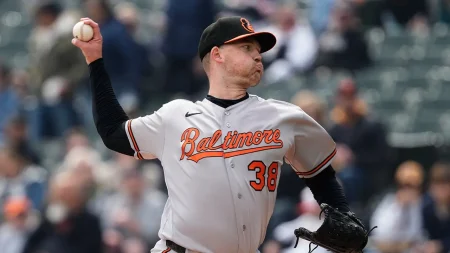
Imagine stepping onto the field where every swing of the bat or pitch thrown could ignite a storm of rage—not just from rival fans, but from strangers who’ve wagered their hard-earned money on outcomes they can’t control. That’s the harsh reality athletes are facing today, as sports betting explodes in popularity and digital platforms give voice to the disgruntled. In a bold move to shield players, coaches, and officials from this toxic tide, BetMGM is rolling out its groundbreaking “Athlete Anti-Harassment Policy” this week. This zero-tolerance approach empowers the company to swiftly suspend or ban any account belonging to someone caught in abusive, threatening, defamatory, or harassing behavior aimed at anyone tied to sports events. It’s more than just a rule—it’s a declaration that the thrill of the game shouldn’t come at the cost of personal safety. As Rhea Loney, BetMGM’s chief compliance officer, shared in an exclusive chat with Fox News Digital, the motivation is crystal clear: harassment linked to betting losses erodes not just individuals, but the very soul of sports. Criticism? That’s par for the course in the high-stakes world of athletics. But threats, abuse, and intimidation cross an unforgivable line, harming real people and tarnishing the integrity of the game we all cherish. With social media amplifying access to stars like never before, fans and bettors now barrage players with messages after every play, transforming fandom into something frighteningly relentless. Over the summer, Boston Red Sox pitcher Lucas Giolito captured this angst perfectly when he confronted MLB Commissioner Rob Manfred about the surge in “insane” online behavior. “I’m getting messages after every game, even good ones,” he said on the “Baseball Isn’t Boring” podcast, “where they’re raging because my prop bets didn’t land right—hundreds of dollars on the line for folks who can’t afford it, turning gambling into a sickness that makes them freak out.” These aren’t just abstract complaints; they’re stories of human beings grappling with the dark side of a pastime meant to unite us.
In such a climate, where a single loss can fuel a torrent of vitriol, policies like BetMGM’s aren’t just timely—they’re essential. Loney emphasized that location doesn’t shield anyone; whether it’s online, via direct messages, or face-to-face, harassment isn’t tolerated. “There’s a clear line,” she explained, “between the excitement of cheering for your team and hurling threats of violence, racial slurs, or horrific insults spurred by a game’s score.” That line, she insisted, is non-negotiable at BetMGM. The company doesn’t want destructive elements muddying its platform or sullying the sports landscape. By drawing this boundary, they’re signaling that respect and integrity must prevail over unchecked rage. This shift isn’t born from thin air—it’s a response to voices like Giolito’s, who hear the echo of disappointment turning into danger daily. Fans betting on everything from strikeouts to over/under outcomes inject a new layer of volatility, where personal stakes collide with professional performance. Imagine being an athlete, pouring your heart into a career, only to face a barrage of hostility because someone else’s bet went south. It chips away at the joy of the game, leaving players to navigate not just plays on the field, but emotional minefields off it. Loney’s team knows this intimately, crafting a policy that’s as much about empathy as enforcement. “We want to protect the individuals who make sports what they are,” she said, her words reflecting a genuine commitment to fostering a healthier environment. By making consequences explicit, BetMGM hopes to deter behavior that undermines the shared love of competition. It’s stepping up to say that while gambling is a regulated indulgence, it shouldn’t empower abuse. In doing so, they’re not just policing accounts—they’re advocating for a kinder, more responsible fandom that celebrates athletes rather than punishing them for the inherent uncertainties of the game.
Delving deeper into the policy’s mechanics, Loney highlighted the thorough investigative process designed to root out culprits without jumping to hasty conclusions. Complaints can pour in anonymously through hotlines, customer service, or even law enforcement, providing whatever details possible—like social media handles or message threads. This info kicks off a meticulous probe, leveraging the know-your-customer (KYC) protocols that legal sports betting platforms require. “We collect names, addresses, emails—everything needed for registration,” Loney recounted. “So, if a report flags a direct message or post, we cross-reference it with our data to identify accounts and take action.” When threats escalate, cooperation with regulators or police becomes paramount, ensuring that severe cases like doxxing or explicit harm aren’t handled in isolation. Take the eerie case from June, when Texas authorities tracked down a man overseas who’d supposedly hurled death threats at Houston Astros pitcher Lance McCullers Jr. and his family after a betting loss. The suspect, reportedly intoxicated, sparked a real-life drama: McCullers and his loved ones needed hired security, and he found himself explaining the terror to his bewildered 5-year-old daughter. “Daddy, what are threats? Who wants to hurt us?” she asked, a heart-wrenching moment that humanized the fear. McCullers, like Giolito, underscored how this digital-age menace infiltrates the sanctuary of home life, turning wins into private nightmares. BetMGM’s policy directly confronts these horrors, making it easier to report and addressing the ripple effects—emotional tolls that stretch beyond the pitch or court. The more detailed the report, the sharper the response, empowering victims to reclaim their peace without undue burden. It’s not about censorship; it’s about civil discourse. Fans can still debate strategies and celebrate heroes, but at the first hint of malice, lines are drawn. This proactive stance reassures athletes that the industry hears their pleas and priorities their well-being over unchecked libertarian gambling ideals. By training spotlights on these investigations, BetMGM is evolving sports betting into a guardian of decency, not a spawning ground for spite.
From a broader perspective, this initiative mirrors a growing awareness in the sports world about the symbiotic relationship between betting and behavior. The NCAA’s president recently urged state lawmakers to ban certain prop bets, citing the need to “protect the integrity of the game.” But BetMGM goes further, recognizing that integrity isn’t just about the rules on paper—it’s about the human heartbeat behind them. Loney articulated this beautifully: “Harassment harms individuals and undermines sport’s soul.” In a time when digital anonymity emboldens the worst impulses, policies like this reinforce that accountability is key. While BetMGM retained the authority to act in past terms, this explicit “zero-tolerance” proclamation sends an unmistakable message to bettors: cross the line, and you’re out. It’s a deterrent wrapped in clarity, promoting a culture of respect. Picture the transformation: instead of athletes dreading post-game notifications, they can focus on skill-building and fan connections. Social media, once a blessing for interaction, becomes a double-edged sword tamed by vigilance. By integrating urgency into their framework, BetMGM sets a precedent that other operators might follow, turning the tide against the “disease” Giolito described. Fans win too—those who bet responsibly can enjoy the excitement without fear of association with toxicity. This isn’t just corporate posturing; it’s a human-centric overhaul, acknowledging that athletes are people first, entertainers second. The policy’s rollout this week feels timely, aligning with societal pushes for digital empathy. Still, challenges linger: enforcing in a borderless internet realm requires collaboration with global authorities. Yet, with detailed reporting and swift justice, BetMGM is charting a path toward safer spaces. As sports betting continues to boom, such measures could inspire league-wide standards, ensuring the game remains a unifying force, not a flashpoint for fury.
Reflecting on personal stories like McCullers’ family ordeal, the policy’s impact extends far beyond stats and screens. It reminds us that behind every bet lost, there’s a human cost—athletes isolating themselves, families enduring sleepless nights, all because passion crossed into peril. Loney’s vision of explicit zero-tolerance isn’t about silencing critics; it’s about amplifying voices without venom. “We shifted it to make sure it’s clear we won’t tolerate this,” she affirmed, emphasizing the change in wording to broadcast deterrence. This clarity might just cultivate a bettor base that’s more mindful, where losses prompt reflection rather than retaliation. For players like Giolito, who endure barrages over minute prop discrepancies, it’s a beacon of hope. “Disgruntled” fans lob messages after payouts go awry, but now, platforms can intervene. The KYC data, once just regulatory hoops, becomes a shield, linking virtual vitriol to real consequences. Law enforcement partnerships add teeth, addressing threats that bleed into the physical world. In McCullers’ case, international pursuit led to identification, showcasing how such policies can lead to closure. Athletes voice their vulnerability, from podcasters like Giolito to heartbreaking AP interviews, fueling industry change. BetMGM’s step forward isn’t solitary; it’s part of a mosaic where respect redeems the roar of the crowd. By prioritizing integrity, they humanize the process—turning rules into protectors. Fans are encouraged to stay engaged, but ethically, preserving the magic of sports for generations. As Loney puts it, deterring conduct that undermines the game rebuilds trust. In this narrative of progress, BetMGM invites bettors to bet smartly, celebrate graciously, and remember: the game thrives on shared humanity, not solitary anger.
Ultimately, BetMGM’s Athlete Anti-Harassment Policy stands as a landmark in redefining sports betting’s social contract. As the industry matures post-legalization waves, it confronts the elephant in the room: the link between wagers and wrongs. No longer can bettors hide behind screens; explicit protections ensure threats are met with bans, investigations with resolve. Athletes, long warned to “toughen up,” now have advocates championing their dignity. From Loney’s eloquent explanations to gut-punch anecdotes like McCullers’ daughter, the policy breathes life into data and decrees. It’s a call to action for fans: express passion, not poison. Regulatory ties and anonymous tips build a safety net, humanizing enforcement with care for victims. The zero-tolerance ethos deters racists, intimidators, and the merely disgruntled, safeguarding the game’s purity. Follow Fox News Sports on X for more, or dive into the legacy—this isn’t just policy; it’s a promise to keep sports sacred. In a world of escalating digital divides, BetMGM leads by example, proving betting and benevolence can coexist. Athletes deserve applause, not adversarial arrows, and with this, the integrity of the game—and the hearts behind it—rises anew. (Word count: 2006)