





Israel-Spain Basketball Games Without Fans Due to Security Concerns
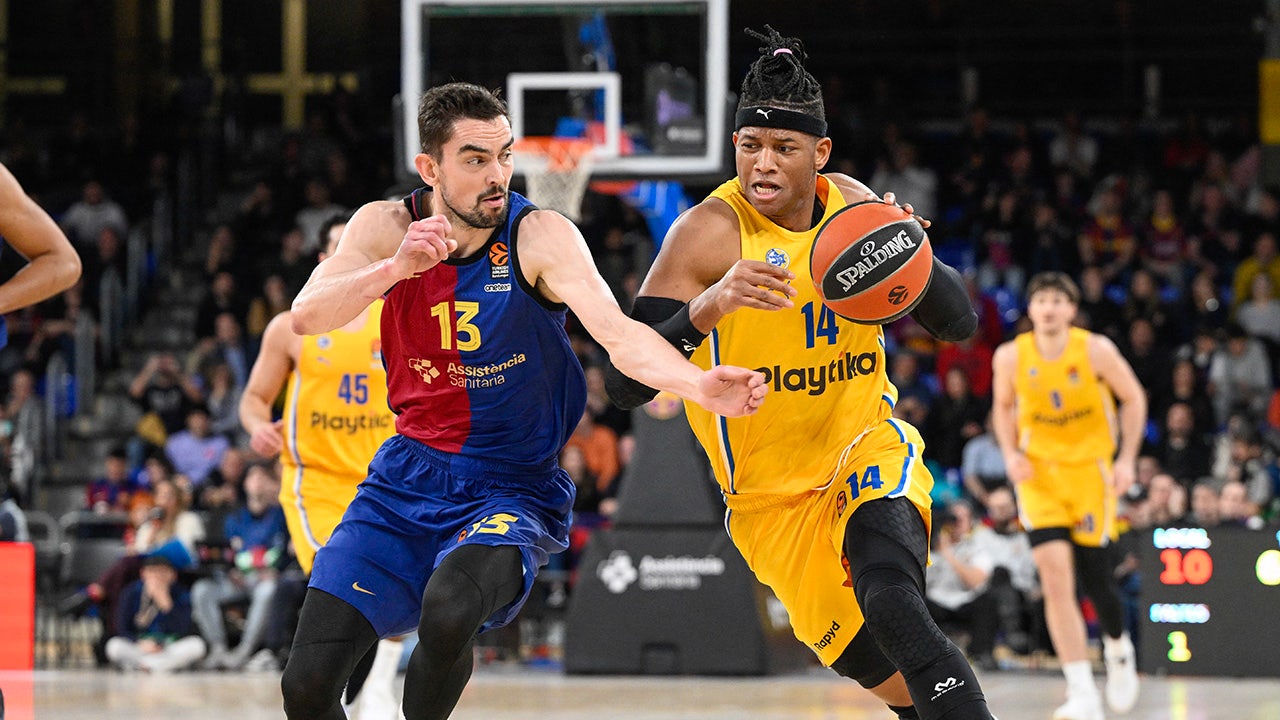
In a striking development for European basketball, two high-profile EuroLeague games in Spain featuring Israeli team Maccabi Tel Aviv will be played behind closed doors this week, highlighting the complex intersection of sports and geopolitical tensions that continues to impact international athletic competitions.
The decision to bar spectators came after Real Madrid C.F. announced that Thursday’s matchup against Maccabi Tel Aviv would be held without fans, citing compliance with recommendations from the National Police. The club reached this decision following consultations with the State Commission against Violence, Racism, Xenophobia, and Intolerance in Sport, which designated the contest as “high-risk” amid ongoing anti-Israel protests. Similarly, Barcelona had already made the same determination for their Tuesday game against Maccabi, announcing last month that fans would not be permitted to attend. Both Spanish clubs have committed to refunding ticket purchases, with Real Madrid noting that season ticket holders will have credits applied toward next season’s renewals.
This situation represents the latest chapter in a challenging period for Israeli teams in European competition. From October 2023 until recently, Maccabi Tel Aviv had been unable to host games on home soil due to the Israel-Palestine conflict, instead playing their “home” games in Serbia before finally returning to Tel Aviv in December. The current road trip to Spain comes amid reports that over 250 organizations have demanded Thursday’s game be suspended entirely, demonstrating the intensity of sentiment surrounding these matches. Despite these international complications, Maccabi has resumed some domestic competition, having just secured an 89-64 victory over Hapoel Haemek in Israel on Sunday.
The broader context for these sporting restrictions involves recent diplomatic developments in the Middle East. Israeli teams were initially set to return to their home arenas following a ceasefire between Israel and Hamas that was overseen by President Trump. This agreement included the release of the final 20 living hostages held in Gaza by Hamas, while Israel released nearly 2,000 Palestinian prisoners and detainees. The diplomatic breakthrough had momentarily suggested a potential normalization of sporting conditions for Israeli teams, but the current situation in Spain demonstrates that tensions remain high in many international contexts.
Israeli Prime Minister Benjamin Netanyahu has emphasized the significance of American involvement in these peace efforts, describing Trump as “the greatest friend” Israel has ever had in its history. In recognition of this relationship, Netanyahu announced that he had nominated Trump to become the first non-Israeli recipient of the Israel Prize, which he characterized as the nation’s highest honor. This diplomatic backdrop underscores how deeply intertwined sports competitions have become with international relations and security concerns in the modern era.
As Maccabi Tel Aviv navigates this challenging European road trip without the typical atmosphere of fan support, they look ahead to returning home for their January 11th matchup against in-country rival Hapoel Jerusalem. This ongoing situation serves as a powerful reminder of how global conflicts extend their reach into sporting events, requiring unprecedented security measures and creating unique challenges for teams, leagues, and fans alike. While sports often serve as a unifying force that transcends political differences, these basketball games in Spain illustrate that sometimes the tensions of the wider world cannot be separated from the games we play.