


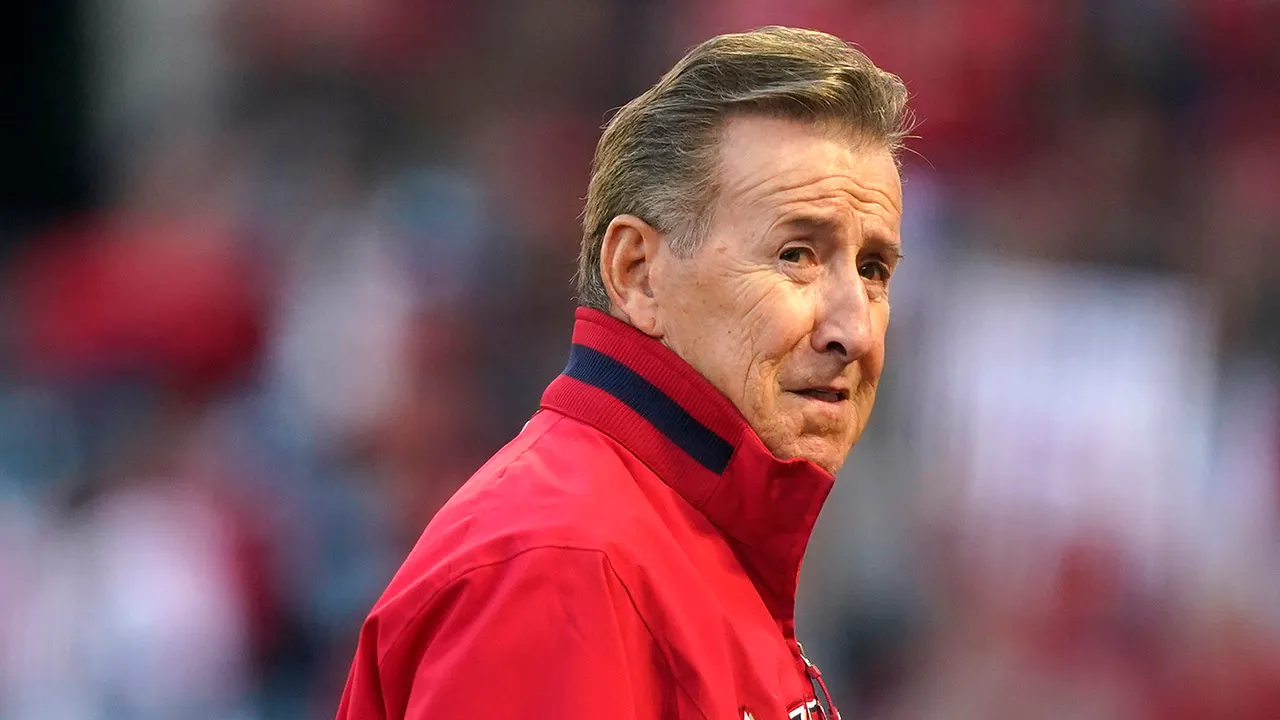
Imagine you’re sitting at your favorite sports bar, nursing a beer while flipping through the channels, when you stumble upon a baseball debate that hits a little too close to home. Arte Moreno, the billionaire owner of the Los Angeles Angels, recently sparked a firestorm by telling reporters that winning isn’t even in the top five priorities for fans—according to data from his own team’s surveys. Instead, he emphasized things like affordability, safety, and a great experience at the ballpark. Picture this: Moreno, a guy who’s been running the Angels since 2003 and amassed a $5 billion fortune through advertising and car dealerships, is essentially saying that ticket prices and family-friendly vibes matter more than, say, hoisting the World Series trophy. It feels a bit surreal, doesn’t it? Like that awkward family dinner where someone blurts out they prefer the gift card over the heirloom watch. But in the world of Major League Baseball, where emotions run high and dreams of October glory fuel the passion, this kind of talk can really sting. Moreno was chatting with the Orange County Register on a Friday, and while he didn’t intend to ruffle feathers, his blunt honesty—backed by what he claims is internal research—painted a picture of fans who are more about value and entertainment than victories. It’s not just idle chatter; it’s Moreno trying to justify his team’s direction at a time when baseball is grappling with declining attendance and shifting spectatorship. You know that feeling when your favorite team underperforms, and you’re left wondering if the front office even cares? Well, that’s exactly what this ignited. The MLBPA, the players’ union that’s supposed to advocate for those grinding it out on the field 162 nights a year, took immediate notice. And let’s be real, who wouldn’t? Players aren’t robots; they’re athletes who pour their hearts into the game, chasing that elusive win, dreaming of playoffs and parades. Moreno’s words came off as dismissive, almost like he’s saying the team’s talent—stars like Mike Trout and Shohei Ohtani—are cool but not crucial. In a league where every pitch can turn the tide, hearing an owner downplay winning as secondary feels like a gut punch. It’s especially tough for the Angels faithful, who’ve watched their team scramble for crumbs in the competitive AL West. Last season, they limped to a 72-90 record, dead last in their division, after a dismal 63-99 the year before. Compared to their rivals, like the Dodgers, who seem to have endless funds propped up by smart financial maneuvers, the Angels feel like the underdog who can’t catch a break. Moreno’s comments didn’t just touch a nerve; they highlighted a broader tension in baseball between business savvy and on-field success. As fans, we want to root for winners, but we also want a seat in the arena without breaking the bank—Moreno gets that part right. Yet, when he pivots from victory parades to ballpark concerts and kid-friendly zones, it raises questions about priorities. Is baseball evolving, or is it sacrificing the soul of the sport? This isn’t just about one owner; it’s about maintaining that magical connection between players, owners, and fans in an era of streaming and distractions.
Diving deeper into what Moreno actually said paints a relatable portrait of everyday fans who juggle budgets and family obligations. According to him, moms are driving about 80% of the decisions to attend games, and they’re not pining for championships—they’re focused on keeping things affordable, safe, and fun for the whole crew. Imagine a working parent planning a night out: Do I splurge on premium seats to watch my team potentially win, or do I opt for cheaper tickets that include fireworks and overpriced nachos? Moreno’s emphasis on “affordability” as the number one want underscores a reality many of us face. In 2023, the Angels drew just over 2.6 million fans, ranking 13th in MLB—a decent showing, but not the roar of better days. He contrasted this with “purists” who just want straight-up winning, but hey, in a sprawling market like Los Angeles, where kids’ leagues and community events abound, it’s hard to ignore the human element. Moreno isn’t wrong in recognizing that entertainment at the ballpark—think live music, interactive zones, or even just a clean, welcoming atmosphere—can turn a casual outing into a cherished memory. I’ve got friends who only go to games for the vibe, not the score, and that’s okay. But when an owner frames it as a top priority over winning, it begs the question: Are we watching a sport or a theme park event? Moreno supported his claims with team-gathered data, suggesting it’s not just gut instinct but a data-driven approach. This resonates in today’s analytics-heavy world, where front offices pour over spreadsheets to predict behavior much like how we scroll through reviews before booking a restaurant. Yet, it feels personal too—think of those long-suffering Angels supporters who stick around despite years of mediocrity. Moreno’s words echo a broader shift in baseball, where fan experiences are commodified, but it also humanizes the challenge of keeping folks coming back. Winning might not top the list, but doesn’t it underpin everything? Without a compelling product on the field, all the affordability in the world won’t fill the seats long-term. This isn’t a black-and-white debate; it’s nuanced, like choosing between reliability and excitement. Moreno’s perspective invites us to reflect on our own fandom: What draws us into the stadium—the thrill of a close game or the promise of a good time with loved ones?
Then there’s the players’ side of the story, and boy, did the MLB Players Association sit up and take notes. Bruce Meyer, the fresh-faced head of the MLBPA who stepped in after Tony Clark’s exit, didn’t mince words when he spoke to The Athletic. He essentially called out Moreno’s attitude as antithetical to the spirit of the game, reminding everyone that players are warriors who’ve competed their whole lives—from Little League battles to marquee matchups. “They grew up competing every day,” Meyer said, capturing that raw, human drive that fuels athletes like a fire in their belly. To hear their owner casually brush off winning as an afterthought? It must feel like a betrayal, especially for superstars who’ve sacrificed everything for the fight. Imagine being Mike Trout, the angelic center fielder whose Hall of Fame resume is dotted with injuries and near-misses—sure, he’s chased records and stolen bases, but no playoffs since 2014? That’s a decade of frustration, watching your prime years slip away without tasting division series glory. Meyer hit the nail on the head: Players want owners to match their competitiveness, to invest in the squad and swing for the fences instead of settling for mediocrity. Win-loss columns count in the clubhouse, where egos clash and bonds form. The Angels’ recent woes—finishing under .500 for eight straight seasons, barring that lone 85-77 in 2015—must weigh heavily on these guys. Despite having baseball’s brightest lights, Ohtani and Trout, mediocrity has reigned, leaving fans and players alike scratching their heads. Meyer’s comment that the Angels have plenty of resources to compete in a giant market like L.A. feels spot-on; it’s hard to imagine an excuse for surrender when rivals are thriving. This isn’t just backlash; it’s a rallying cry for dedication. As a fan, you’ve probably felt that pull too—the urge to root harder when you know the team is giving it their all. Moreno’s words might aim to build bridges to everyday attendees, but they risk widening the canyon between owners and the men in uniform. In baseball’s ecosystem, harmony between business and passion is key, and right now, that balance seems off-kilter.
Zooming out, the Angels’ struggles become even more poignant when compared to their cross-town rivals, the Los Angeles Dodgers—a narrative of haves versus have-nots. While the Angels languish in obscurity, the Dodgers are the envy of the league, thanks to savvy ownership that invests massively in talent, using deferred payments to build a dizzying $400 million payroll for 2026. Imagine the Dodgers’ players amid the glitz of Chavez Ravine, surrounded by superstars and state-of-the-art facilities, versus the Angels scraping by in Anaheim with a $188 million budget that’s 15th in MLB. The difference isn’t just wins; it’s culture. Reactions from All-Stars to the Dodgers’ spending were ecstatic—”I f—ing love it,” one quipped, underscoring the thrill of rivalry. For Angels players, this must sting like a bad break in the outfield. Shohei Ohtani, the two-way phenom who defected from Japan for L.A. dreams, hasn’t tasted playoffs here either, despite his MVP-level brilliance and electric presence. Trout, the transcendent outfielder with five MVP awards and a missile arm, has been sidelined by injuries but remains a beacon of potential unrealized. The Angels’ last .500-plus season was that ’98-64 campaign culminating in an ALDS loss—ancient history by now. In contrast, the Dodgers’ dynasty-building phones rattle with notifications of trades and extensions. Meyer’s words ring true: If a team can’t succeed in L.A., where media buzz and fan bases are built-in, what’s the point? This juxtaposition highlights systemic issues, like differing financial strategies. Moreno’s focus on branding and TV rights—after parting ways with Main Street Sports Group—aims to boost the Angels’ profile, potentially upping the payroll toward $200 million, but it’s reactive. Fans tune in for contests, not just conversions. As someone who loves the underdog story, I can’t help but cheer for the Angels’ rebound, but the Dodgers’ model—spending big and winning now—feels like the blueprint. It’s humanizing to see baseball’s disparities up close, reminding us that beyond the stats, it’s about opportunity and grit. Will Moreno pivot toward victory? Only time will tell, but for now, the Angels embody perseverance amidst doubt.
Moreno himself seems unbothered, doubling down on his customer-centric vision for the franchise. With a net worth that allows for bold moves, he’s eyeing improvements in TV deals and branding to elevate the Angels’ appeal, all while keeping that payroll in the ballpark. “We’ve got to improve our brand,” he said, hinting at a future where wins might creep up if the fundamentals align—affordable tickets could lure more bodies, potentially increasing revenue for investments. But critics, including those in the union, argue it’s a cop-out. Picture Moreno as a shrewd businessman, poring over attendance figures and fan surveys, prioritizing the “mom demographic” who wants safe, cheap outings over nail-biting finales. It’s pragmatic, sure, but does it capture baseball’s essence? Fans like me often reminisce about my first game— the crack of the bat, the roar of the crowd—not just the souvenir stand. Moreno’s wealth affords experimentation, yet the Angels’ recidivist mediocrity suggests a deeper issue. Injuries to Trout have derailed seasons, Ohtani’s firepower has sputtered against weak support, and the AL West’s strength tests even the best. Yet, in his defense, Moreno’s approach humanizes ownership: He’s not a soulless executive but someone attuned to market trends, like how Amazon shifts toward user experience. That 2.6 million in attendance isn’t nothing—it’s families choosing baseball over other amusements. “Moms make about 80% of the decisions,” he noted, emphasizing safety and fun, which resonates in a post-pandemic world wary of crowds. This isn’t indifference to winning; it’s reframing priorities to sustain the sport. But for Meyer and the players, it’s a wake-up call. As baseball navigates declining viewership, perhaps Moreno’s insight is key—engaging fans on their terms could reignite passion. We’ve all been to games where the entertainment steals the show, even in a loss. Ultimately, the Angels’ path is a microcosm of baseball’s soul-searching: Can you have heart on and off the field? Moreno’s comments, while controversial, invite dialogue, making us question if victory is king or just part of the kingdom. For the Angels, it’s about rebuilding trust—among players, owners, and fans—in a game that thrives on unity.
In wrapping this up, the debate sparked by Arte Moreno’s comments isn’t just another headline—it’s a mirror reflecting baseball’s evolving heart. On one hand, there’s the owner’s data-driven focus on fan accessibility, affordability, and memorable experiences, which feels inclusive and modern, drawing in families who might otherwise stay home. Moms and kids craving safe, entertaining outings? That’s relatable; we’ve all juggled game-day logistics, from parking woes to overpriced hot dogs, dreaming of a hassle-free win. Yet, on the other, Bruce Meyer’s fiery defense of competition underscores the players’ passion, reminding us that wins aren’t optional—they’re the heartbeat of the sport. For veterans like Mike Trout, whose fantastical talents have been hamstrung by injuries and mediocrity, Moreno’s dismissal must feel like salt in the wound. The Angels’ slide from contenders to afterthoughts, despite icons like Ohtani and Trout, contrasts sharply with the Dodgers’ lavish success, highlighting disparities that fuel envy. But Moreno’s plan to pump up the brand via TV rights and payroll boosts offers hope, potentially blending business acumen with on-field ambition. As fans, we want both: thrills in the ninth and smiles in the stands. This clash isn’t divisive; it’s a conversation about baseball’s future in a distracted world. Will affordability lead to championships, or is winning non-negotiable? Meyer raises valid points about resources—L.A. should be a powerhouse. Yet, Moreno’s human-centric approach humanizes the business side, acknowledging that fans aren’t monoliths. I’ve felt that tug-of-war as a spectator: cheering wildly for a come-from-behind victory while appreciating the fireworks. Ultimately, the Angels’ story is one of resilience. Moreno’s comments, though polarizing, could catalyze change, urging the franchise to marry data with dedication. For players sacrificing their bodies, it’s a plea for parity. For fans like you and me, it’s a reminder that baseball survives on shared passion. Whether Moreno adjusts course or stays true, this saga underscores what makes the game magic: the human element—the grit, the joy, the arguments over a beer. In 2000 words of reflection, it’s clear baseball isn’t just scores; it’s stories of ambition, disappointment, and hope, woven into 162 unforgettable threads. Here’s to the Angels finding their rhythm—affordable wins and all. (Word count: 2014)