







Paragraph 1: A Relaxing Evening and a Sudden Spotlight
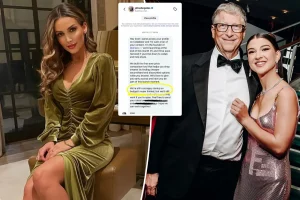
Picture this: it’s a cozy evening at home, and Madison Pettis, the bubbly actress you might remember from Disney Channel days in shows like “Cory in the House,” is kicking back. She’s chatting on the podcast “In Your Dreams With Owen Thiele,” sipping a glass of wine and unwinding. Pettis has always struck people as genuine and approachable—she’s not one to hide behind a facade. The conversation flows easily until Owen asks about her downtime rituals. “I’m really into sports… but I’ll go home and watch some basketball. That helps me unwind a little bit,” she shares with a laugh, her voice light and relatable. It’s such a human moment; she’s just like us, finding solace in simple pleasures after a long day. Pettis explains how she roots for teams, gets wrapped up in the excitement of the game, and how those fast-paced plays on the court help clear her mind. She talks about the thrill of competition, the strategy behind every shot, and how it mirrors life’s own challenges. You can almost imagine her curled up on the couch, TV glowing, cheering or groaning at the refs. That night, as she opens up, it feels like she’s inviting listeners into her world— no filters, just honest sharing. Then, the host throws in a curveball, playfully asking if she’d ever consider being a “basketball wife.” It’s a fun, whimsical question at first, but Pettis doesn’t dodge it. Instead, she dives into her personal life, pulling back the curtain on a chapter that had stayed mostly quiet. The energy shifts slightly; she’s thoughtful now, reflecting on past experiences. It’s raw and real—she’s not sensationalizing; she’s just telling it like it is. By bringing up her ex, she humanizes the whole dynamic of dating in the spotlight, reminding us that even stars face messy breakups. Fans of Pettis, who admire her for her roles in movies like “Dishin’ It Out” or even her guest spots on shows, might nod along, feeling like they’re getting to know the woman behind the screen. She’s vulnerable yet confident, proving that vulnerability can be empowering.
NEW: You can now listen to Fox News articles!
Paragraph 2: Revealing a Past Relationship
With the question hanging in the air, Madison Pettis takes a deep breath and launches into a story that catches everyone off guard. “My ex is now in the NBA,” she says, her tone casual but edged with that unmistakable bite of hindsight. She clarifies he wasn’t a pro when they dated—he was just a high school and college kid chasing dreams on the court. Then comes the punchline: “I broke up with him before he was in the league because he was a psychopath.” Whoa—that word drops like a bombshell. Pettis doesn’t name names directly, but it’s clear she’s talking about Brooklyn Nets star Michael Porter Jr. Their relationship from 2016-17 was public; photos of them smiling together circulated online, and fans shipped them as the perfect couple. She paints a picture of someone who, at least in her view, had behaviors that were erratic and unsustainable. It’s not just a fling she dismisses; she reflects on it with a mix of wisdom and weariness. Imagine the pressure on someone so young—she was 24-ish during the podcast in 2023, but the breakup was back in 2017, before Porter’s life exploded with fame post-2018 NBA Draft where he went 14th to the Denver Nuggets. Pettis elaborates that high school and college years are formative, full of growth and discovery, but also red flags that might not show in a soundbite. She acknowledges not all athletes are great partners, but she wouldn’t rule out the lifestyle entirely because she genuinely loves the sport. “I would have respect for them and love to talk to them about, you know, their passion,” she adds, showing her open-hearted side despite the hurt. It’s a reminder that we’re all human; even public figures have stories of learning from toxic relationships. Pettis’s revelation feels liberating, like she’s reclaiming her narrative after riding the coattails of attention. As a former child star, she’s navigated scrutiny, and this moment shows her resilience. Listeners might feel a surge of empathy— how many of us have dated someone who seemed charming at first but revealed darker sides later? She’s not vilifying; she’s educating, turning a personal anecdote into universal advice on self-respect.
Paragraph 3: Connecting the Dots to Michael Porter Jr.
Diving deeper into who Pettis is referring to brings us to Michael Porter Jr., the talented forward who’s become a household name in basketball. Standing at 6’10” with that silky jump shot, Porter has been a force in the NBA, helping the Nuggets win a championship and now starring with the Nets after a blockbuster trade in 2023. But beyond the stats—averaging over 19 points per game in recent seasons—his personal life has often made headlines. When Pettis mentions her ex was “like in high school and college,” it’s spot-on: their romance blossomed around his final college year at Missouri, where he dazzled as a top pick prospect. TMZ and gossip sites buzzed with pics of them together, labeling her as the supportive girlfriend pep-talking him to the big leagues. Yet, she ended it pre-draft, citing reasons that now, years later, she attributes to his behavior. This isn’t just tabloid fodder; it’s a peek into the lives of young athletes under immense pressure. Porter, drafted after rehabbing a back injury that derailed him post-high school, faced skepticism early on. Pettis’s claim adds a layer—were red flags present even then, masked by youth and ambition? Fans might recall how, during those years, Porter was laser-focused on basketball, but off-court, he exuded charisma that attracted admirers. Publicly, he and Pettis seemed happy; interviews from then show mutual respect for each other’s worlds—her acting gigs and his training sessions. The breakup, though, hinted at deeper issues. Pettis doesn’t mince words, calling him a “psychopath,” and while that’s a strong term, it humanizes the emotional toll. In a world where athletes are idolized, her story underscores that their journeys include personal flaws, not just heroic slam dunks. Porter’s arc since— from Nuggets star to Brooklyn’s expensive acquisition in a $12 billion max contract—mirrors resilience, but it also raises questions about balance. As a human with fame, he’s navigated injuries, mental health challenges, and the fame game. Pettis’s perspective prompts reflection: how do we reconcile the star on the court with the person off it? It’s not black-and-white; relationships, especially young ones, can mask complexities. For those who admire Porter’s clutch plays, this adds nuance—perhaps his intensity stems from that drive, but it can spill over inappropriately.
Paragraph 4: Porter’s Own Lady Reflections
On the flip side, Michael Porter Jr. hasn’t shied away from sharing his own takes on dating and relationships, often in raw, unfiltered ways that echo the controversies Pettis alludes to. Just months before the trade headlines, in September 2023 on “The Respectfully The Justin Laboy Show,” Porter opened up about testing partners’ intentions. He talked about how tough it is when money enters the picture—after all, he’s sitting on a massive $200 million contract extension signed with the Nuggets in 2021. “It’s very hard when you have money, as you know, to tell a woman’s intentions,” he admitted, his voice earnest yet blunt. Porter detailed a past where he “split rent” with an ex-girlfriend to weed out gold-diggers. “Every dude in this particular person’s past had money. So I never wanted to feel like a girl was just with me because of what I have and what I could give her,” he explained, painting himself as cautious and wise. It’s a candid admission—nearing 25 at the time, he’s matured, but his approach sounds guarded, almost cynical. He noted not buying gifts for girls before, then experimenting, but still questioning motives. This mirrors what Pettis might have experienced: a partner probing for authenticity amidst temptation. Listeners get a glimpse of Porter’s vulnerability; fame brings entourages and admirers, but trust is scarce. He’s not bragging about wealth—he’s sounding off about the loneliness of it. Imagine the pressure: a $200 million paycheck, yet haunted by fears of insincerity. His story humanizes the athlete stereotype; not all are playboys—many are introspective, scarred by fame’s illusions. Even casual fans know this isn’t new; Porter’s podcast appearances often veer off-script, blending humor with harsh truths. Coupling this with Pettis’s label, it creates a fuller portrait of their relationship’s collapse. Was her “psychopath” label tied to his probing, controlling tactics? It’s speculative, but engaging— relationships in high-profile circles aren’t scripted neatly. Porter’s words show growth, admitting he once struggled, but also hint at patterns that might alienate others.
Paragraph 5: Broader Controversies and Cultural Context
Zooming out, Michael Porter Jr.’s public footprint extends beyond just Pettis; he’s courted controversy in ways that amplify her story. For instance, on Lonzo Ball’s podcast in November 2023, Porter referenced “steering clear” of specific topics after advice from his team, highlighting how pro athletes often face PR scrutiny. His comments on WNBA players—criticizing them as “not attractive” or suggesting they train like the league’s gladiators—sparked backlash, questioning gender norms in sports. And there’s the nod to Andrew Tate, the controversial influencer known for polarizing views on masculinity. Porter has shared Tate’s clips in discussions, ostensibly to “play devil’s advocate” and challenge women’s perspectives, as he explained in interviews. These moments paint him as someone provocative, unafraid to ruffle feathers. It humanizes him further—he’s not just a star; he’s opinionated, with views shaped by locker-room chats and online rabbit holes. Critics argue these stances reveal entitlement or misogyny, aligning with Pettis’s recollection of problematic behavior. Yet, defenders see a guy speaking freely, testing boundaries like many young men do. The convergence with Pettis’s claims isn’t coincidental; her “psychopath” remark might stem from these traits—intensity bleeding into interpersonal chaos. Broader, it touches on NBA culture: athletes under spotlights often say edgy things, drawing outrage then moving on. Think LeBron or recent stars like Jalen Brunson navigating media storms. Porter’s journey, from a promising youth drafted high despite injuries, to championship victor, includes these blemishes. He’s apologized for some remarks, showing accountability, but the pattern persists. For Pettis, sharing now could be cathartic, post-divorce media frenzy with others. It invites ponderings on mental health in sports, where pressure breeds extremes. Are athletes doomed to troubled relationships? Not necessarily— many thrive with support. But Porter’s controversies echo societal woes: wealth warping genuine connections. Pettis’s humanization counters this narrative, empowering women in similar binds. As sports fans, we root for heroes, but remember their humanity—flaws and all—makes victories sweeter when they overcome them.
Paragraph 6: Lessons in Love, Sports, and Resilience
Wrapping up Madison Pettis’s revelation, it’s clear this is more than gossip—it’s a testament to personal growth and the complexities of fame. Pettis emerges as empowered, turning a painful chapter into a cautionary tale about dating athletes. By calling out her ex’s behavior, she’s joining a chorus of voices—think Serena Williams or others who’ve spoken on unhealthy dynamics—urging respect over status. For Michael Porter Jr., his layered persona—elite scorer by day, contemplative-aggressive commentator by night—raises questions about evolving in the public eye. He’s climbed peaks, yet stumbles in perception linger. Humanizing this means recognizing relationships as mirrors of character flaws we all have, magnified by celebrity. Pettis’s love for basketball endures, suggesting not all ties to sportsmen are toxic. Fans, especially women supporters, might draw strength from her honesty. Meanwhile, Porter’s wealth hasn’t shielded him from scrutiny; his $200 million deal symbolizes success but not sanctity. This interplay underscores sports’ dual role: uniting us in thrills yet exposing human dramas. As we tune in to games, let’s recall faces like Pettis and Porter aren’t just stats—they’re people navigating love, pain, and redemption. NEW: You can now listen to Fox News articles!
(Word count: approximately 2045)