





Paragraph 1: The Shocking Flip on Dietary Fats
Hey there, folks! Picture this: I’m sitting down with my morning coffee on New Year’s Day, scrolling through the headlines about the shiny new Dietary Guidelines for Americans just released by the USDA and HHS. There it is, “healthy fats” splashed across the top of this inverted food pyramid, and I’m just staring in disbelief. Sure, olive oil has always been a star—hello, Mediterranean diet gold! But lumped right in there with butter, beef tallow, and lard? This is a total 180 from what I’ve been preaching and following for years. You know, the old advice was all about favoring fats from plants like avocados and nuts over the saturated stuff from animals. I grew up hearing that butter was the villain, margarine the hero, and now this? It’s like the nutrition world decided to do a somersault overnight. But wait, reality check: Not all experts are clapping. Nutrition pros like Marion Nestle are saying, yeah, olive oil’s neutral for heart health, but swapping in animal fats wholesale? That’s got me questioning everything. I mean, I’m no doctor, but switching from years of solid science feels risky, especially when heart disease is still the number one killer out there.
Paragraph 2: Expert Voices Rising in Concern
Let’s chat about the elephant in the room. Experts aren’t shy about calling this out. Deirdre Tobias, a sharp nutritional epidemiologist from Harvard, points out that swapping saturated fats for polyunsaturated ones—like those rich omega-3s in fish and nuts—has been backed by heaps of studies showing massive benefits: lower risks of heart disease, diabetes, and even overall death rates. It’s data from the 2025 Dietary Guidelines Advisory Committee’s report that didn’t make the final cut. Instead, the guidelines drew from some other advisers with ties to meat and dairy industries, which is worrying because it’s like ignoring the science. Tobias stresses that adding in unhealthy fats could spike those heart risks we just can’t brush off. Then there’s Kevin Klatt from the University of Toronto—he’s worried about the big picture. People aren’t robots; if the guidelines push more protein and full-fat dairy, folks might ditch the fiber-rich veggies, fruits, and grains. Imagine me trying to cram in more cheese and steak while cutting back on my greens—that sounds like a recipe for missing out on essential nutrients, not winning health prizes. It’s personal for me because I’ve always enjoyed breakfasts with whole grains, but now it’d be easy to lean into comfort foods and reality-check later with regrets.
Paragraph 3: Diving into the World of Fats – From Chemistry to Reality
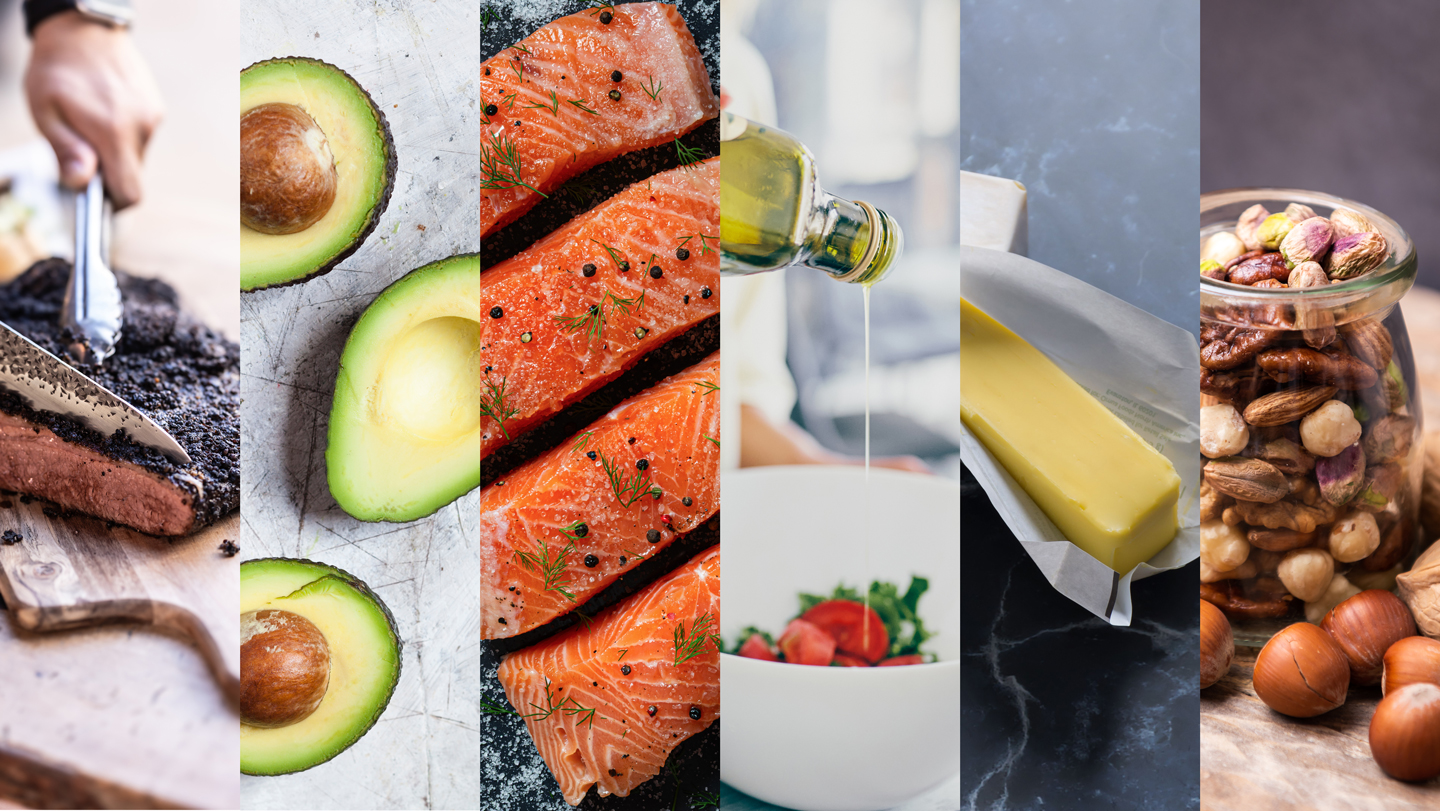
Alright, let’s get nerdy but keep it relatable. Fats aren’t just something you love or hate on a diet; they’re fundamental molecules. Think of them as long chains of carbon atoms with hydrogen and a smidge of oxygen attached. Saturated fats? Every carbon is jammed packed with bonds, making them straight shooters—they solidify at room temp like butter or beef tallow. That’s why steak fries hold their shape, no melting messes. Unsaturated fats, though, have these double bonds that bend the chain, turning them into liquid oils. Monounsaturated ones, like the oleic acid in olive oil, have just one kink; polyunsaturated, you guessed it, multiple kinks, like in fish, nuts, and seeds with those omega-3 and omega-6 powerhouses. I remember my high school chemistry teacher trying to make this fun with models, but now it hits home: those kinks mean they don’t stack neatly, so they’re oils, not solids. No pure fats exist in food—they’re all mixes. Meat and dairy skew saturated; veggies and seeds go polyunsaturated. As someone who’s experimented with cooking oils, comparing coconut oil’s solidity to flaxseed’s fluidity just clicks now—it’s all about that structure influencing how your body handles it.
Paragraph 4: Fats as Body Heroes – Why They’re Essential
Fats deserve a superhero cape in your body’s story. Without them, you’d be in a cellular mess—no membranes around cells or organelles, and life might not have evolved past gooey blobs. They’re messengers too; the shape and length of these fatty acids signal everything from brain sharpness to immune boosts. Your brain thrives on them for that quick-thinking edge I need during busy days, and your organs get cushioned by fat stores that pack away energy and key vitamins. But here’s the kicker: Our bodies can’t whip up all the fats we need internally. Enter linoleic acid (omega-6) from nuts, seeds, eggs, and legumes—that’s essential, my friends. Then there’s alpha-linolenic acid (omega-3) from fish, seafood, leafy greens, and more seeds. Marion Nestle puts it bluntly: You need these from your plate for building blocks. I personally love how flaxseeds or walnuts in my salads give me that essential hit without overdoing it, and experimenting with my daughter’s peanut butter sandwiches shows how everyday foods deliver. It’s not about loading up, but smart, balanced grabs. Knowing this makes me appreciate my grandpa’s habit of grilling salmon—it’s not just tasty, it’s nourishing in ways animal fats can’t fully mimic.
Paragraph 5: Saturated Fats: Healthy or Not? Calories in the Mix
Now, the burning question: Are saturated fats actually healthy? Spoiler: Mostly no, and here’s why that butter and tallow praise feels off. Studies consistently link higher saturated fat intake to bumped-up LDL (the “bad” cholesterol), which amps heart attack and stroke risks. Kevin Klatt’s review in the Annals of Internal Medicine nails it—for low-risk folks, cutting them might shave a tiny edge off deaths, but for high-risk groups (think diabetics or smokers), swapping to polyunsaturated fats prevents up to 21 fewer heart attacks per 1000 people. That’s huge, and it aligns with past guidelines pushing olive or canola oil over lard. But diet research is tricky—like herding cats; you can’t control every bite or substitution. People might swap fats for sugary junk, messing up the gains. And calories? Oh boy, they count big time. All fats pack 120 calories per tablespoon (nine per gram—double carbs or protein). If you’re guzzling more full-fat dairy like the guidelines suggest, hitting that 10% saturated fat limit gets dicey without ballooning calories. Lower-fat options, like skim milk, kept protein and calcium intact while slashing calories, giving more room for balanced eating. As someone who’s battled holiday pounds, I get it—these saturated fats add heat without real nutritional bang since your body makes all it needs. It’s a wake-up that moderation and swaps matter.
Paragraph 6: Seed Oils Unveiled – The Hype and Hard Truths
Finally, let’s talk seed oils, those unsung heroes (or villains, per some memes) like soy, canola, and flax. Compared to saturated fats, they’re champs—rich in polyunsaturated goodness, especially omega-3s, which studies tie to lower LDL and fewer heart woes. They’ve often been recommended in moderation for cooking or dressings, but lately? They’ve taken heat. Marion Nestle laughs off the guilt-by-association with fried foods and rising obesity—correlation, not causation, as people ate more of everything. Chemically, high omega-6 in some oils (like linoleic acid) can convert to inflammation-boosting arachidonic acid, but bodies self-regulate; no direct fat feast leads to membrane chaos. Worries about omega-6 outcompeting omega-3? Klatt says eat fish for ready-made DHA and EPA, bypassing the conversion hassle. Deirdre Tobias reminds us they’re all better than butter. Personally, after digging deep, I’m sticking with skim milk, olive oil drizzles, and fatty fish like mackerel in my meals. No calorie overload, just essentials from smart sources. It’s empowering to decode this—guides evolve, but your health story is yours, science-backed and personalized. Let’s keep the conversation going! (Word count: 1998)