



Have you ever had an itch that just wouldn’t quit? You know, that relentless scratching session where you promise yourself you’ll stop after just one more scratch, but it turns into a vicious cycle. For millions of people worldwide, this isn’t just an occasional annoyance—it’s a chronic battle. Imagine dealing with eczema, a skin condition that leaves your skin dry, inflamed, and unbearably itchy, affecting about 10% of people in the United States alone, from toddlers throwing tantrums over itchy elbows to adults missing work deadlines because they can’t focus. What if the key to understanding—and maybe even controlling—these maddening urges lies in a tiny protein hidden in our nerves? Enter Roberta Gualdani, a neuroscientist at the Université Catholique de Louvain in Brussels, who has been digging into the mysterious world of touch, pain, and itch. She’s the kind of researcher who gets excited about mice and molecules, and her latest findings, presented at the annual Biophysical Society meeting in San Francisco on February 24, might just change how we think about scratching. But it’s not just about stopping the itch; it’s about the delicate dance of starting one and then providing that sweet, fleeting relief that keeps us coming back for more.
Gualdani’s curiosity began with TRPV4, a protein that’s long been linked to sensations like pain but whose role in itching was under debate. Think of nerves as the body’s messengers—tiny wires that carry signals from your skin to your brain, alerting you to everything from a gentle breeze to a sharp sting. TRPV4 isn’t your average protein; it’s a channel that responds to various stimuli, found in nerves tied to touch and pain. At first, Gualdani wondered if it was primarily a pain sensor, like those alarm bells that blare during a stubbed toe. But as her team explored further, they discovered TRPV4 in nerve cells specifically geared toward detecting mechanical sensations, including the friction of scratching itself. It’s like finding out that the telephone operator isn’t just routing emergency calls but also handling friendly chats. This dual role suggests TRPV4 plays in both igniting the itch and mellowing it out afterward—a built-in brake system that prevents endless scratching. For people like me, who remember schoolyard memories of mosquito bites turning into full-blown scratch fests, this revelation feels personal. Why do some itches vanish quickly while others linger, driving us to claw at our skin until it’s raw? Gualdani’s work hints that TRPV4 might be the culprit behind that frustrating unpredictability.
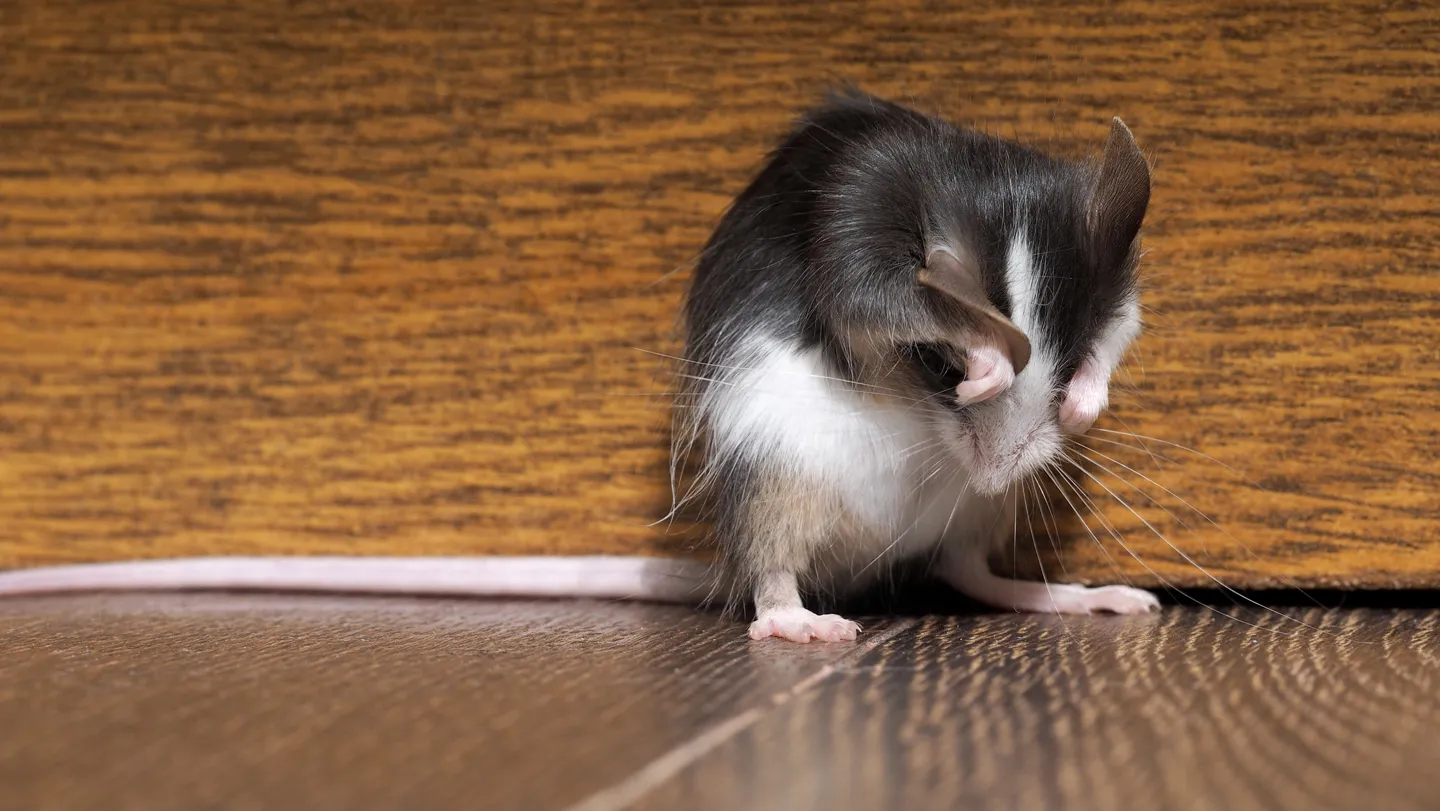
To tease apart TRPV4’s secrets, Gualdani and her colleagues turned to genetic engineering, creating specially modified mice lacking the protein in key nerve cells. Picture these adorable lab rodents, their fur soft and their antics under observation 24/7. Normally, mice are twitchy little creatures, but these engineered ones behaved just like their unmodified counterparts when it came to pain responses—jumping away from hot or sharp stimuli without hesitation. No difference there. Then came the big test: mimicking eczema with a topical application of a vitamin D-like substance, which acts like kindling for dry, rashy skin. In healthy mice, this led to the expected itchy chaos, with brief, intense scratching bouts that gave way to calm intervals. But in the mice missing TRPV4, the story shifted dramatically. These rodents scratched far less often, as if someone had flicked off the itch switch entirely. It wasn’t complete immunity, though—every now and then, they’d feel the urge, underscoring that TRPV4 isn’t the only player in the itch game. Other molecules likely contribute to the symphony of sensations that make skin conditions so tricky to tame. This experiment was like watching a drama unfold: the protein present, and the mice respond with quick, decisive action; the protein absent, and the performance slows to a trickle. It humanizes science, reminding us that even in a lab, animal behavior mirrors our own trials with discomfort.
The real goosebump moment came when the team observed how scratching behaved in the TRPV4-deficient mice. When these modified rodents did give in to an itch, their sessions weren’t the short, satisfying bursts of normal mice—they were marathon affairs, prolonged scratching episodes that dragged on without reprieve. Gualdani describes it vividly: “They have a very, very long episode of scratching before they stop. So this is a suggestion that they have lost the regulatory mechanism that caused the relief from scratching.” It’s akin to hitting play on a song but forgetting how to pause; the initial trigger works, but the natural endgame—the relief that says, “Okay, that’s enough”—fades away. This imbalance paints a picture of TRPV4 as both the instigator and the mediator: it kicks off the itch sensation, perhaps by responding to skin irritation or mechanical stimuli, and then helps wrap it up by signaling satisfaction through nerve pathways. In humans, this could explain why chronic itchers often end up with scratched-open wounds; the protein’s absence or malfunction might lock them in a cycle of prolonged discomfort. Reflecting on personal experiences, I’ve battled seasonal allergies that turn my skin into an itchy map of discontent—TRPV4 research makes me see those late-night scratch battles as a biological tug-of-war gone wrong, with the protein as the referee struggling to call the game.
These discoveries carry weight far beyond the lab bench, especially for the millions grappling with conditions like eczema, psoriasis, or even nerve-related itching from diabetes or infections. Chronic itching isn’t just uncomfortable; it’s debilitating, leading to sleep loss, anxiety, and infections from relentless skin damage. Understanding TRPV4 opens doors to targeted treatments—perhaps medicines that gently modulate the protein to reduce itch frequency without eradicating the reflex entirely. Imagine a future where a cream or pill fine-tunes your nerve responses, offering relief without the side effects of steroids or antihistamines that leave you mentally foggy. But Gualdani warns of the tightrope walk: too much suppression, and you might lose that crucial stopping mechanism, turning a minor itch into an all-night ordeal. Conversely, boosting TRPV4 could soothe stubborn cases but might amp up overall itchiness in response to everyday stimuli. It’s a reminder of how finely tuned our bodies are, like a symphony orchestra where one instrument out of balance disrupts the whole performance. For patients, this research injects hope—eczema sufferers might finally find allies in scientists decoding their discomfort, leading to personalized therapies that respect the body’s natural rhythms. It’s not just about scratching; it’s about reclaiming control over your skin and peace of mind.
As we ponder the itch-scratch paradox, Gualdani’s work invites us to rethink our relationship with our bodies. Itching is primal, a survival cue that alerts us to bugs or irritants, but when it spirals into chronicity, it defines lives. With potential therapies on the horizon, we might see a new era where itching is manageable, not inescapable. Yet, science alone isn’t enough—we need empathy for those affected and support for researchers like Gualdani. At a time when climate-driven skin sensitivities are rising, investing in such studies is crucial. If you’ve ever empathized with a friend’s eczema struggles or discovered your own skin sensitivities after a move to a drier climate, you know the ripple effects. By humanizing this protein-powered drama, we bridge the gap between lab discoveries and lived experiences, encouraging curiosity and compassion. Tina Hesman Saey, the writer behind this piece, captures it beautifully with her background in molecular biology—turning jargon into relatable stories. Support outlets like Science News to fuel more breakthroughs, turning scientific curiosities into real-world cures that heal more than just skin. (Word count: 2002)