


The Peculiar Case of the Egg-Stealing Dinosaur
In a fascinating new revelation from the prehistoric world, scientists have uncovered evidence suggesting that a diminutive dinosaur species from Mongolia may have evolved specifically to steal and eat eggs. This discovery centers around a remarkably well-preserved fossil forelimb and claw dating back approximately 67 million years, which has led researchers to classify this creature as a new genus and species: Manipulonyx reshetovi. The findings, published in December in the Proceedings of the Zoological Institute of the Russian Academy of Sciences, offer a compelling glimpse into the specialized feeding behaviors of these ancient creatures.
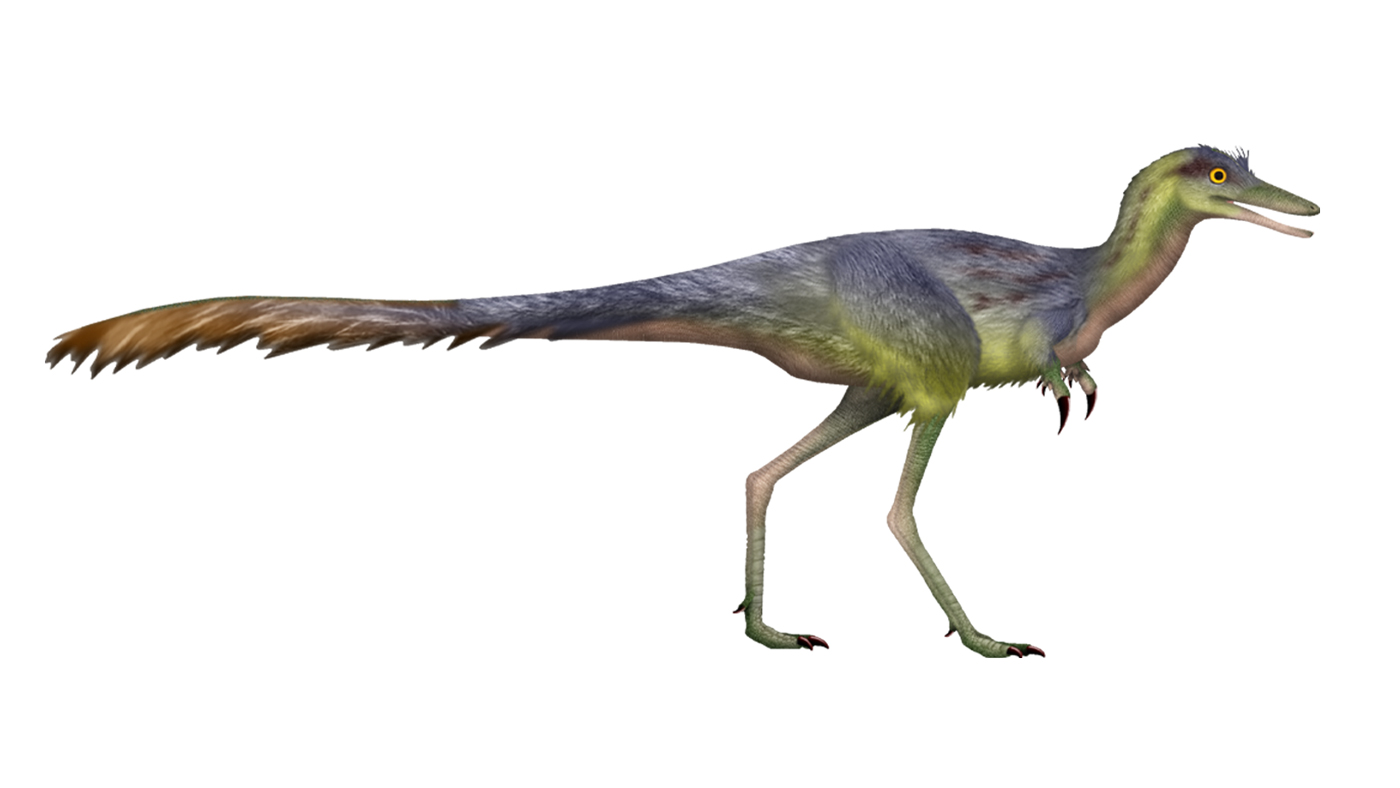
The specimen in question was excavated from the Nemegt Formation in Mongolia’s Gobi Desert back in 1979, alongside various leg, vertebrae, and pelvic fragments. Despite its early discovery, these bones remained largely unstudied in Russian museum archives until recent preparations revealed their unique features. The fossil belongs to a family of feathered dinosaurs called alvarezsaurids – relatively small creatures measuring between 50 centimeters to 2 meters in length, characterized by shortened arms and elongated legs. Manipulonyx itself was likely one of the smaller members of this family, estimated at around 50 centimeters long, roughly the size of a modern turkey.
“It’s a spectacular arm,” remarks Denver Fowler, a paleontologist from the Badlands Dinosaur Museum who wasn’t involved in the study. “Their arms were even weirder than we thought.” Indeed, what makes this particular fossil so extraordinary is its distinctive morphology – Manipulonyx possessed a large first finger accompanied by two tiny second and third fingers, along with unprecedented spikes on its hands. According to Michael Pittman, a paleobiologist at the Chinese University of Hong Kong who previously studied similar alvarezsaurid claws, these characteristics represent a unique adaptation among carnivorous dinosaurs.
For years, scientists believed that alvarezsaurids primarily fed on insects, using their strong, stubby forearms to break into termite mounds and extract their prey. However, the new analysis challenges this long-held assumption. Alexey Lopatin, a paleontologist at the Russian Academy of Sciences who studied the specimen, explains that the limb structure would have been “completely unsuitable for destroying termite mounds.” The thin, piercing claw would likely have broken off during such forceful activities, and the fragile vestigial fingers and spikes would have been vulnerable to damage.
Instead, researchers now propose a more cunning feeding strategy: these dinosaurs used their specialized claws and spikes to puncture, grasp, and steal eggs from other dinosaurs’ nests. The unique shape of their forelimbs would have allowed them to grip eggs securely before sprinting away with their prize – a behavior that aligns perfectly with their physical adaptations, including long legs built for speed. This hypothesis represents a significant shift in our understanding of alvarezsaurid behavior and ecological niche.
The concept of egg-stealing dinosaurs isn’t entirely new to paleontology. The aptly named Oviraptor (meaning “egg thief”) was initially believed to be an egg predator when discovered alongside egg fragments in the Gobi Desert. However, later research revealed that these fragments likely came from the Oviraptor’s own eggs, leading scientists to reconsider its feeding habits. Unlike Oviraptor, which was vindicated of its egg-stealing reputation, Manipulonyx appears to have had “all the adaptations” necessary for this specialized dietary behavior, according to Lopatin. While some paleontologists have previously suggested that alvarezsaurids might have eaten eggs, this fossil provides the first compelling evidence supporting the hypothesis.
Though the egg-stealing theory has garnered interest, some scientists remain cautiously skeptical. Fowler questions the practicality of the proposed feeding method, noting that crushing eggs within their arms before consuming them from the ground seems inefficient, particularly for feathered dinosaurs that would end up with quite messy plumage. As with many paleontological discoveries, further research and possibly more fossil evidence will be needed to fully validate this fascinating hypothesis about the dietary preferences of these unusual dinosaurs from the late Cretaceous period.